Cold Plunge Benefits
As an Amazon Associate I earn from qualifying purchases.
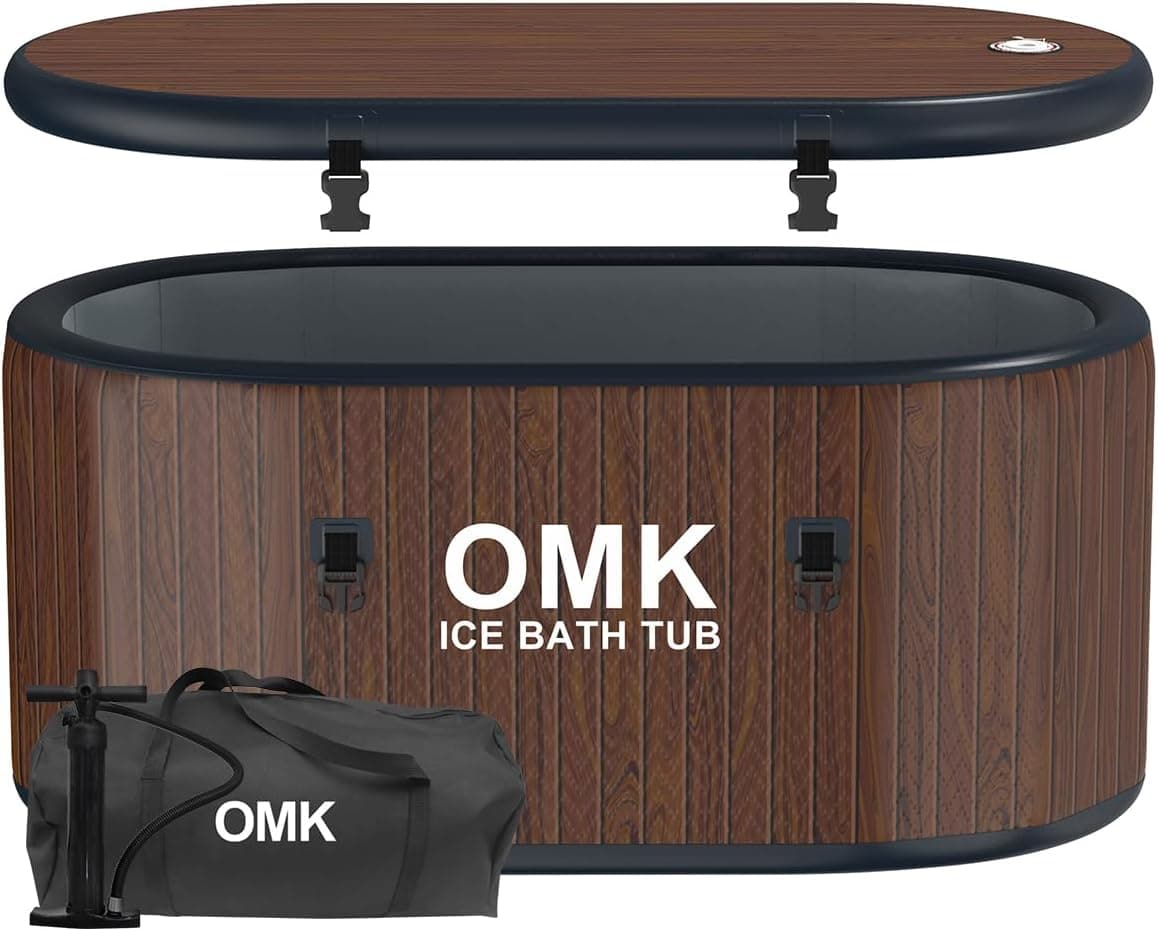
Cold plunging has moved from elite locker rooms into home garages and backyards, and for good reason. Stepping into cold water is a simple, repeatable ritual that many people find leaves them feeling refreshed, alert, and ready to take on the day. While it is not a cure-all, a regular cold plunge practice can be a rewarding part of a broader wellness routine when you approach it thoughtfully.
One of the most talked-about reasons people cold plunge is recovery after exercise. Immersing your body in cold water after a hard training session is a long-standing practice among athletes who want to feel less beat up the next day. Many home users report that a short plunge helps their legs feel fresher and their overall soreness feel more manageable, which makes it easier to stay consistent with training over the long haul.
Beyond the physical, a lot of the appeal is mental. The moment you lower yourself into cold water, your breathing quickens and your mind narrows to a single point of focus. Learning to stay calm and breathe slowly through that initial shock is a form of practice you can carry into stressful moments elsewhere in life. People often describe stepping out of the water feeling clear-headed, energized, and quietly proud of having done something hard first thing in the morning.
Mood is another common theme. Many regular plungers say the practice gives them a natural lift and a sense of well-being that lasts well past the session itself. Part of that may simply be the satisfaction of a completed challenge, and part may be the invigorating jolt of the cold itself. Whatever the mechanism, the ritual tends to leave people feeling good, and that alone keeps them coming back.
Cold exposure can also build a kind of everyday resilience. When you voluntarily do something uncomfortable on a regular basis, discomfort in general starts to feel more approachable. That mindset shift is one of the quieter benefits people mention, and it often matters more to them than any single physical effect.
It is worth being realistic about what cold plunging is and is not. It is a wellness practice that many people enjoy and find genuinely helpful, not a medical treatment. If you have heart concerns, high blood pressure, or any condition affected by cold, talk with your doctor before you begin, and never plunge alone until you know how your body responds.
If the benefits sound appealing, the good news is that getting started is straightforward. Begin with short, comfortable exposures, keep the water on the milder end at first, and let your tolerance build naturally over weeks. Done sensibly, a cold plunge can become one of the most grounding parts of your recovery routine.