Foam Rolling Guide
As an Amazon Associate I earn from qualifying purchases.
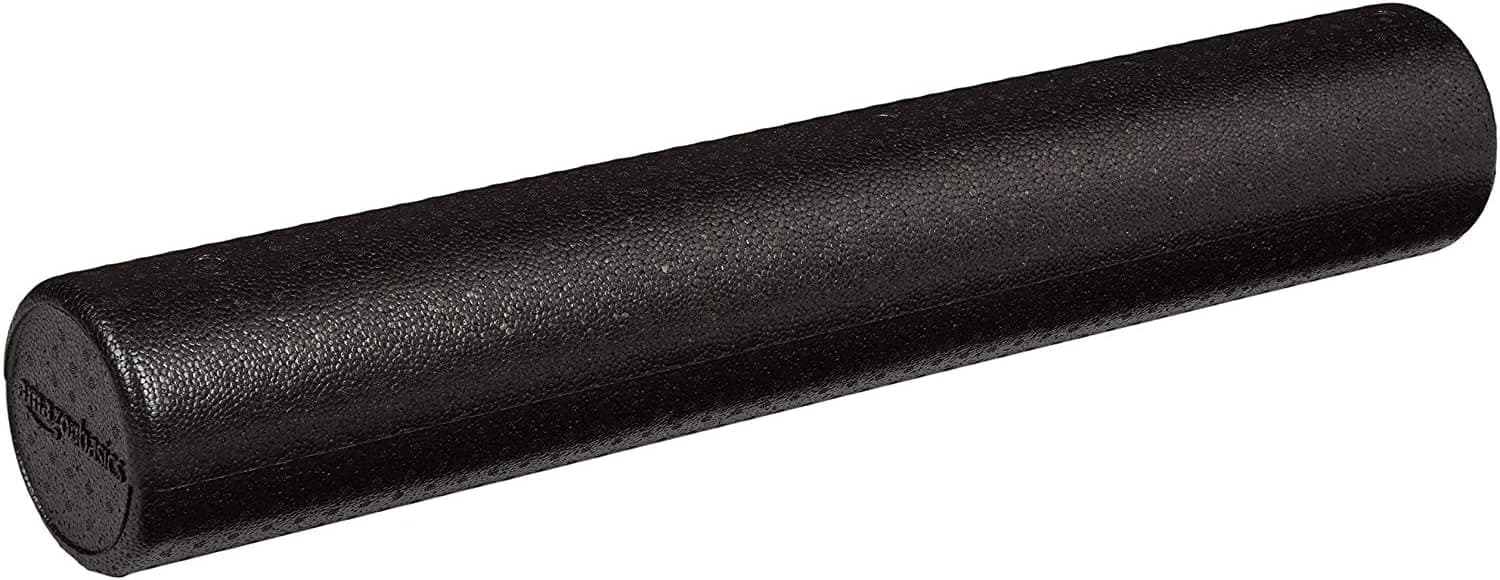
Foam rolling is one of the most affordable and accessible recovery tools out there, and once you get the hang of it, it becomes a satisfying part of your routine. Rolling out your muscles can help you feel looser and more comfortable after training or a long day on your feet. Like any tool, though, it works best when you use good technique and know what you are doing.
At its core, foam rolling is a form of self-massage. You use your body weight to apply pressure to a muscle as it rolls over the foam, which many people find helps tight areas relax and feel less bound up. The idea is not to punish yourself but to ease tension, so a moderate, tolerable pressure is exactly what you are after, not gritted-teeth agony.
Good technique starts with slow, controlled movement. Position the roller under the muscle group you want to target, support yourself with your hands or feet, and roll gently along the length of the muscle. Move slowly rather than racing back and forth, and when you find a spot that feels especially tight, pause there and breathe for a few moments before continuing. That slow, deliberate pace is where the value lives.
The big muscle groups respond best. Your calves, quads, hamstrings, glutes, and the broad muscles of your upper back are all excellent candidates. Work each area for a short stretch of time, keeping your breathing steady and relaxed. You do not need to spend forever on any one spot, and covering your main muscle groups in a few focused minutes is plenty for most people.
Just as important is knowing where not to roll. Avoid rolling directly over your lower back, your joints, and any bony areas, since these spots are not designed to take that kind of pressure. Stick to the meaty part of the muscles, and never roll over a fresh injury, a bruise, or anything that produces sharp pain. Mild discomfort that eases as you go is fine, but real pain is a stop sign.
Beginners tend to make a few common mistakes. Rolling too fast, pressing far too hard, holding their breath, and spending all their time on one favorite spot are the usual culprits. If you catch yourself doing any of these, slow down, lighten up, and breathe. Foam rolling should leave you feeling relieved and loose, not beaten up and tender the next morning.
You can foam roll before a workout to help your muscles feel ready to move or afterward to unwind, and consistency matters more than duration. A few minutes on most days will serve you better than one marathon session now and then. Keep it gentle, listen to your body, and if you have any injuries or health concerns, check with a professional before making rolling a regular habit.