How to Start Cold Plunging
As an Amazon Associate I earn from qualifying purchases.
Starting a cold plunge practice is easier than it looks, and you do not need fancy equipment or heroic willpower to begin. What you need is a sensible plan, a little patience, and respect for how your body responds. If you build up gradually, those first cold minutes go from shocking to genuinely enjoyable faster than most people expect.
Before your first plunge, decide where you will do it. Plenty of beginners start with the end of a cold shower, which costs nothing and lets you test your reaction with an easy exit. From there you might graduate to a dedicated tub, a stock tank, or a purpose-built plunge unit. Whatever you choose, make sure you can get in and out safely and that someone knows what you are doing, especially in the early days.
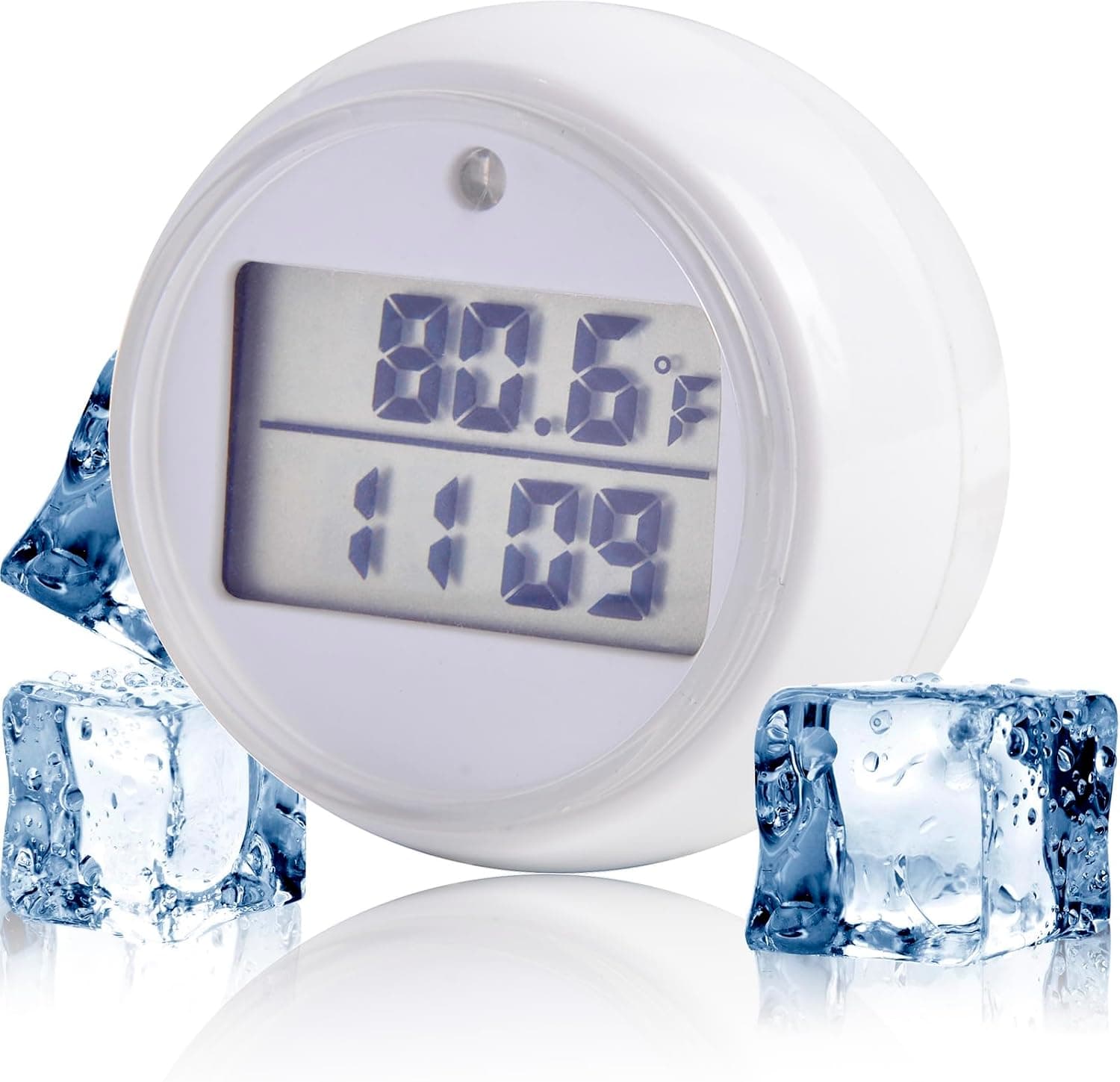
Temperature is where new plungers tend to overreach. You do not need frigid, near-freezing water to get value from the practice. A cool but tolerable temperature is a smart place to begin, and you can always lower it as you adapt. Starting milder keeps the experience positive and lowers the chance of gasping or overwhelming your system before you have learned to manage the cold.
Time matters just as much as temperature. Your first sessions can be genuinely short, even under a minute, and still count. The goal early on is not to set records but to teach your body that you can stay calm in the cold. As the days pass and the shock fades, you can gradually extend your time in a way that feels controlled rather than forced.
Breathing is the single most useful skill you can bring to the water. When you first submerge, your instinct will be to gasp and tense up. Instead, focus on slow, deliberate exhales and let your shoulders drop. Regaining steady breath within the first several seconds turns the whole experience from panic into practice, and it is the habit that separates people who stick with plunging from those who quit.
Consistency beats intensity every time. A few short plunges a week will build your tolerance and comfort far better than one long, punishing session followed by weeks of avoidance. Treat it like any other skill, showing up regularly and letting small gains accumulate, and the cold will feel more manageable with each visit.
Finally, respect the basics of safety. Never plunge alone until you know your response well, warm up naturally afterward with movement and dry clothes rather than a scalding shower, and skip the plunge if you feel unwell. If you have any cardiovascular condition or other health concern, check with your doctor first. Approached this way, cold plunging becomes a sustainable ritual you look forward to rather than an ordeal you dread.