FITMAKER Wooden Wobble Balance Board with Video Exercises for Fitness and Physical Therapy Review (2026)
Updated September 20, 2026 · Research-based review
Our verdict
FITMAKER's wooden wobble board suits anyone starting balance work at home, from athletes doing ankle prehab to people easing back into movement after an injury. The bundled video exercises are the main strength, while buyers should confirm the 330 lb weight limit and 15.5 by 3.1 inch footprint fit their needs before ordering.
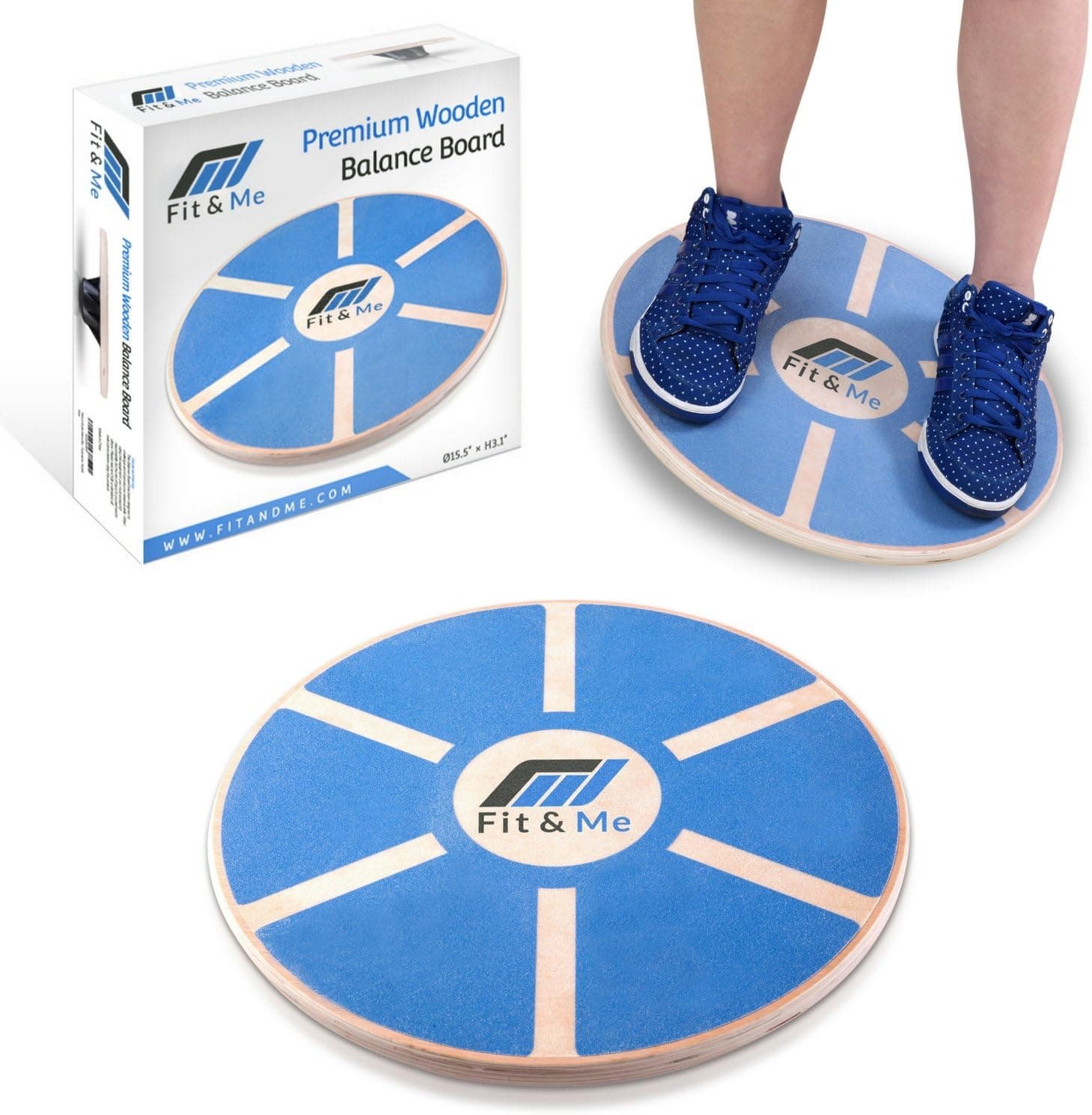
FITMAKER's wooden wobble balance board with video exercises for fitness and physical therapy routines.
Price range: See on Amazon
What we liked
- + Video exercises give guidance for new balance board users
- + Wooden board feels sturdy and stable underfoot
- + Suits both fitness and gentle rehab style training
Trade-offs
- - Check the board size and weight limit before buying
- - Videos may need an online account or link to access
What the board is built from
The FITMAKER board is made from wood rather than plastic or foam, which gives it a firmer, more predictable tilt than softer balance trainers and lets it hold up to 330 pounds according to the listing. It measures about 15.5 by 3.1 inches, a fairly compact footprint that suits standing balance drills, ankle circles, and light squat work rather than full-body group classes. Nonslip pads on the underside are meant to keep the board from sliding on hard flooring while you shift your weight, which matters on a board this size since the base does not have the wider stance of some rocker-style trainers. The wood construction also means the board can dent or wear at the pivot point over years of heavy daily use.
The video exercise guide
A free how-to eBook with linked online video exercises comes with the purchase, covering routines for general fitness as well as gentler physical therapy style movements. This is useful for first-time buyers who have never used a wobble board, since the tilt takes some getting used to and a few guided drills shorten that learning curve considerably. The catch is that the videos are typically accessed through an online link or account rather than being built into the board itself, so anyone who prefers a printed manual or an offline video file may need to plan around that setup step. Once learned, the exercises can be repeated without needing the guide again, which limits how much this really matters after the first few sessions.
Who it suits
The board is aimed at a wide range of users, including seniors working on stability, athletes doing ankle and core prehab, dancers refining balance, and people recovering from a lower body injury under guidance from a therapist or trainer. Because the tilt is unassisted in every direction, it rewards slow, controlled movement more than fast, ballistic training, which fits its physical therapy framing better than an explosive sports conditioning role. Anyone recovering from a recent injury should still check with a physical therapist before adding a wobble board to a routine, since the unassisted tilt can be harder to control safely than a board with adjustable resistance or a fixed range of motion while healing is still in progress.
Where the listing is thin
The product title does not state the weight limit or exact dimensions up front, so shoppers comparing several wobble boards side by side may need to open the full listing to find those numbers rather than judging by the title alone. This is a minor friction point rather than a real gap, since the 330 pound capacity and 15.5 by 3.1 inch size are documented elsewhere on the page, but it is worth flagging for anyone skimming search results quickly. Buyers who need a specific certified weight rating for clinical or insurance documentation should also confirm that detail directly with the seller rather than relying on the marketing copy alone before a purchase in that context.
Where it fits against rivals
Against other wooden wobble boards built for a similar physical therapy and fitness audience, FITMAKER differentiates mainly through its bundled video guide, since the core wood-and-pivot design is broadly similar across this category. Buyers who already know balance training routines may find less added value in the video content and could instead prioritize a board with a wider platform or adjustable tilt resistance. For people newer to wobble training, having a guided starting point reduces the trial and error of figuring out safe progressions alone, which is where this board earns its place among similarly priced wooden competitors in the same size class.
Frequently asked questions
What is the weight limit on the FITMAKER wobble board?
The listing states a weight capacity of up to 330 pounds.
Does it come with instructions?
Yes, it includes a free how-to eBook with linked online video exercises for fitness and physical therapy style routines.
What size is the board?
It measures approximately 15.5 by 3.1 inches.
Is it suitable for physical therapy?
It is marketed for general fitness and gentle rehab style balance work, but anyone recovering from injury should confirm use with a physical therapist first.
Prices change often, so check the current price and availability on Amazon.
Check price on AmazonRecovery Studio Hub may earn a commission from the link above.