TENS EMS Unit Muscle Stimulator for Pain Relief, Dual Channel, 24 Therapy Modes, 30 Pads Review (2026)
Updated September 14, 2026 · Research-based review
Our verdict
This dual channel TENS EMS unit fits shoppers who want one device covering both nerve stimulation and muscle stimulation, with 24 Therapy Modes, 20 intensity levels and 30 pads to keep spares on hand. The mode list takes time to learn, and it is not a substitute for medical advice on pain treatment.
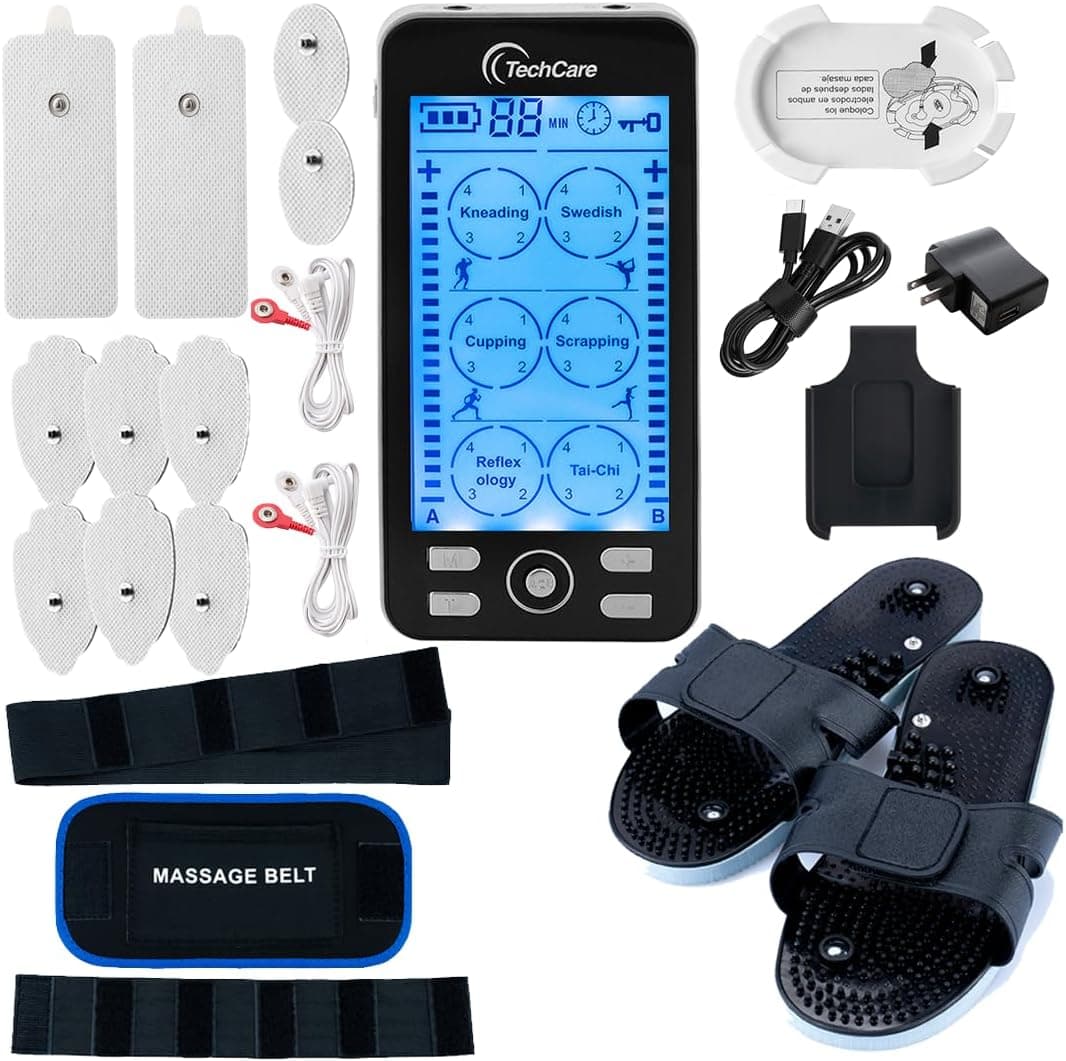
A dual channel TENS EMS muscle stimulator with 24 Therapy Modes and 30 Pads included.
Price range: See on Amazon
What we liked
- + 30 Pads included means spares last a long time
- + 24 Therapy Modes offer plenty of stimulation patterns
- + Dual Channel lets you use two areas at once
Trade-offs
- - Pain relief claims vary by person, so ask a doctor before use
- - Many modes can be confusing without reading the manual
Who this stimulator is built for
This is a dual channel TENS and EMS unit aimed at people who want one rechargeable device for both nerve-focused TENS programs and muscle-focused EMS programs, rather than buying two separate machines. Two output channels mean two body areas, such as both shoulders or a lower back and a knee, can run a session at the same time. Our score of 8.3 out of 10 reflects strong marks on features, specs and value, with a slightly lower mark on build and materials, a common trade-off for a compact rechargeable stimulator against bulkier clinical-style units. It suits someone who already understands basic TENS and EMS use and wants a flexible home device, more than a first-time buyer who needs heavy hand-holding out of the box.
Modes, intensity and what ships with it
The unit offers 24 Therapy Modes split across TENS-style nerve stimulation settings and EMS-style muscle stimulation settings, along with 20 adjustable intensity levels so output can be tuned from gentle to strong. A built-in rechargeable battery removes the need for disposable batteries, and a timer with auto shutoff ends a session automatically rather than requiring the unit to be watched. The set ships with 30 electrode pads, a generous supply that means replacements are not needed for a long time even with regular use across two channels. That pad count is one of the larger supplies among the muscle stimulators in this guide, useful since pads wear out and lose adhesion well before the unit itself does.
Living with 24 modes day to day
With 24 modes on offer, the biggest adjustment for a new owner is simply learning which settings are TENS-style and which are EMS-style, since the two work differently, TENS targets nerve signals for comfort while EMS causes visible muscle contractions for conditioning. Reading the included manual before the first session helps avoid confusion, and starting on a low intensity level before working upward is the standard approach with any electrical stimulation device. Pads should be placed exactly as instructed, kept clean between uses, and replaced once they stop sticking well, since worn pads reduce contact and comfort. As with any electrical stimulation product, follow the manufacturer's placement and duration instructions rather than experimenting, and check with a doctor first if you are pregnant, have a pacemaker, or have a heart condition.
How it stacks up against other stimulators here
Against AVCOO's 30-mode unit, this device offers fewer total modes but ships with more pads, 30 compared with AVCOO's 12, so day-to-day pad costs stay lower even though AVCOO's mode count edges higher. Against DOMAS's touch screen TENS unit, which also runs 24 modes on dual channels, the two are close on paper, and the deciding factor for most buyers will come down to touch screen versus button controls and pad supply rather than mode count. Compared with Belifu's 24-mode unit that ships with only 10 pads, this unit's 30-pad bundle is a clear advantage for anyone who expects to use it often enough to wear pads out.
Bottom line
For a shopper who wants one dual channel device that handles both TENS and EMS style sessions and does not want to reorder pads right away, this unit's 24 modes, 20 intensity levels and 30-pad bundle make it a practical, well-rounded pick in this guide. The learning curve across 24 modes is real, so budget time with the manual before the first session. Anyone who is pregnant, has a pacemaker or implanted device, or has a heart condition should talk to a doctor before using any TENS or EMS device, and everyone should follow the manufacturer's placement and intensity instructions rather than guessing.
Frequently asked questions
What is the difference between the TENS and EMS modes on this unit?
TENS modes target nerve signals and are generally used for comfort, while EMS modes cause visible muscle contractions and are used for muscle conditioning. The unit includes both types across its 24 Therapy Modes.
How many pads come in the box?
It ships with 30 electrode pads, more than several rival units in this guide, so replacements are not needed for a long time under normal use.
Is it safe to use every day?
Follow the manufacturer's manual for session length and placement, and check with a doctor first if you are pregnant, have a pacemaker, or have a heart condition, since electrical stimulation is not appropriate for every person or every situation.
Does it need disposable batteries?
No, it uses a built-in rechargeable battery, so there are no batteries to buy or replace over the life of the unit.
Prices change often, so check the current price and availability on Amazon.
Check price on AmazonRecovery Studio Hub may earn a commission from the link above.