Fitbit Charge 6 Fitness Tracker with Google Apps - Heart Rate, Sleep & Daily Readiness Review (2026)
Updated September 20, 2026 · Research-based review
Our verdict
The Fitbit Charge 6 suits people who want a slim wrist tracker that gives a daily readiness style score to plan training around, plus handy Google integration for music and maps. The heart rate accuracy and Google apps are the main strengths, while the deepest readiness detail can require a Fitbit Premium subscription.
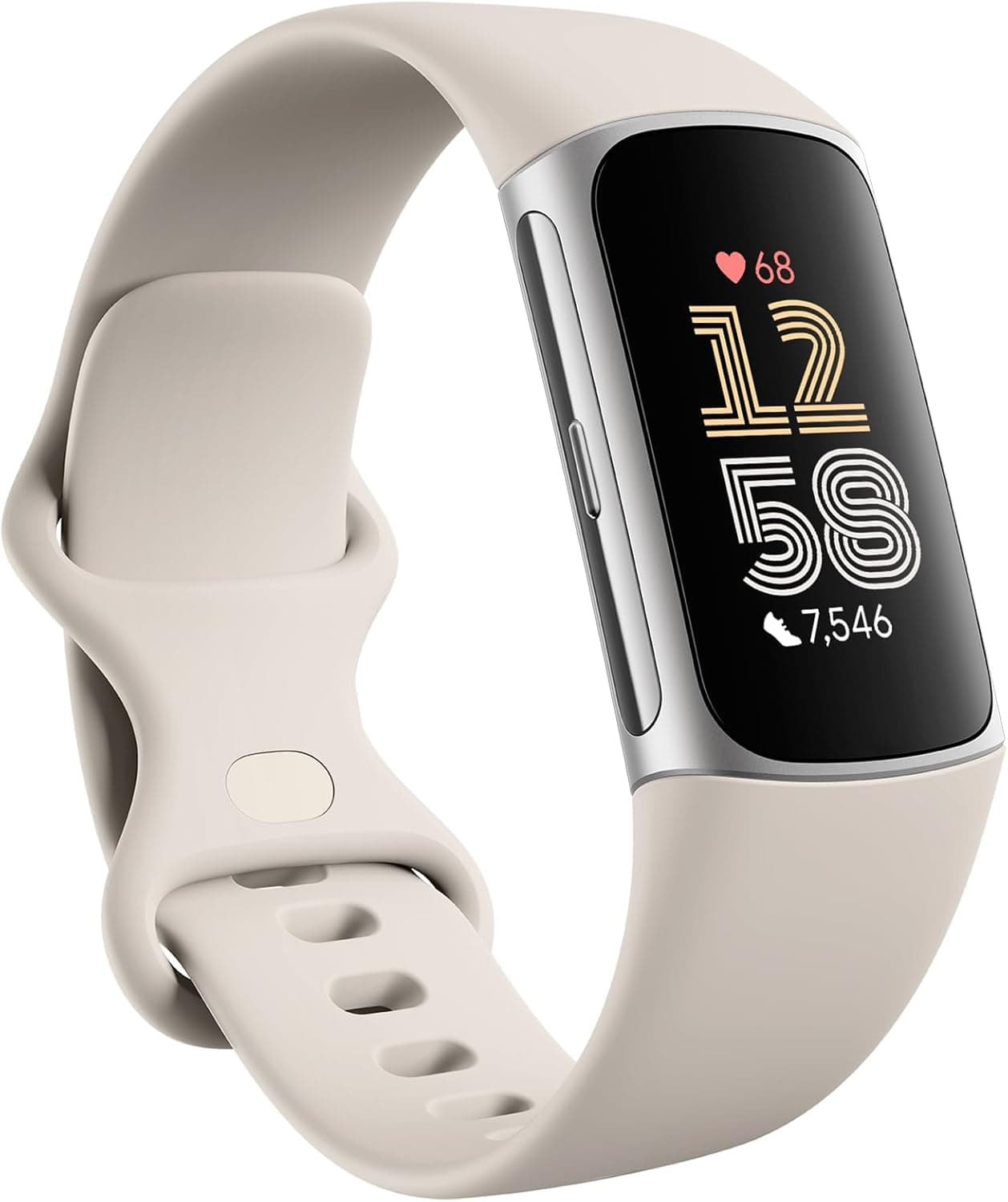
Fitbit's Charge 6 fitness tracker with Google apps, tracking heart rate, sleep and a daily readiness score.
Price range: See on Amazon
What we liked
- + Daily Readiness score helps decide between hard and easy days
- + Google Apps integration adds handy phone-free features
- + Screen shows stats without opening your phone
Trade-offs
- - Daily Readiness details may need a Fitbit Premium plan
- - Band style can feel less comfortable to sleep in than a ring
Heart rate and daily readiness
Fitbit says the Charge 6 uses an optical heart rate sensor tuned with machine learning that is meaningfully more accurate during vigorous exercise than the previous Charge 5, an important upgrade for a recovery focused buyer who wants trustworthy heart rate zones during hard sessions. That heart rate data feeds into a daily readiness style score, which is designed to suggest whether a given day suits a hard training session or a lighter recovery day based on recent strain and sleep. The tracker also includes an ECG app for spot-checking heart rhythm and flagging possible atrial fibrillation signs, though this is a wellness feature rather than a diagnostic medical device and should not replace a doctor's evaluation.
Google apps integration
As a Fitbit made under Google, the Charge 6 adds practical phone-free features tied to the Google ecosystem, including control over YouTube Music playback, turn-by-turn Google Maps directions, and Google Wallet for tap-to-pay without a phone nearby. It can also stream heart rate data to compatible gym equipment from brands like Peloton, NordicTrack, and Tonal, which is useful for anyone doing indoor cardio or strength work who wants their tracker's heart rate feed showing up on the machine's own display instead of just the wrist. This integration is one of the clearer differences from older Fitbit models that predate the closer tie-in with Google services.
Display, battery, and everyday tracking
The tracker has a 1.04 inch color AMOLED touchscreen with a haptic side button, built-in GPS and GLONASS for phone-free pace and distance during outdoor runs or rides, and rated water resistance to 50 meters for swimming and showering. Fitbit lists over 40 exercise modes with real-time stats, along with SpO2 blood oxygen monitoring, a stress management score, and a nightly sleep score, covering the core metrics most fitness and recovery focused buyers look for in a slim band tracker. Battery life is rated at around 7 days per charge, which is competitive for a device running a always-available color touchscreen and continuous heart rate sensing.
Where a subscription matters
Some of the deeper detail behind the daily readiness score and other advanced insights sits behind a Fitbit or Google Health Premium subscription rather than being fully available with the tracker alone, which is worth knowing before buying if detailed breakdowns are the main reason for the purchase. New purchases typically include a limited trial period of premium access, though the exact length has varied by listing and promotion, so it is worth checking the current offer rather than assuming a fixed number of months. After any trial period ends, ongoing access to the fuller readiness breakdown requires an active subscription.
Who should buy it
The Charge 6 suits buyers who want a slim, comfortable band-style tracker rather than a smartwatch, with solid heart rate accuracy and useful Google-linked features like Maps and Wallet built in. It is a good fit for someone building a simple recovery routine around a daily readiness style score, especially if they already use other Google services day to day. Buyers who specifically want a ring-style tracker for more comfortable overnight wear, or who do not want to consider a subscription for the fullest feature set, should weigh those factors against the band form factor and included trial before choosing this over other recovery wearables.
Frequently asked questions
Does the Fitbit Charge 6 have GPS?
Yes, it has built-in GPS and GLONASS for phone-free pace and distance tracking.
Do I need a subscription to use it?
The tracker works without a subscription, but some of the deeper daily readiness detail and insights require a Fitbit or Google Health Premium plan.
Is it water resistant?
It is rated water resistant to 50 meters, suitable for swimming and showering.
Can it connect to gym equipment?
Yes, it can stream heart rate to compatible machines from brands like Peloton, NordicTrack, and Tonal.
Prices change often, so check the current price and availability on Amazon.
Check price on AmazonRecovery Studio Hub may earn a commission from the link above.