Why You Feel Sore or Bruised After Foam Rolling
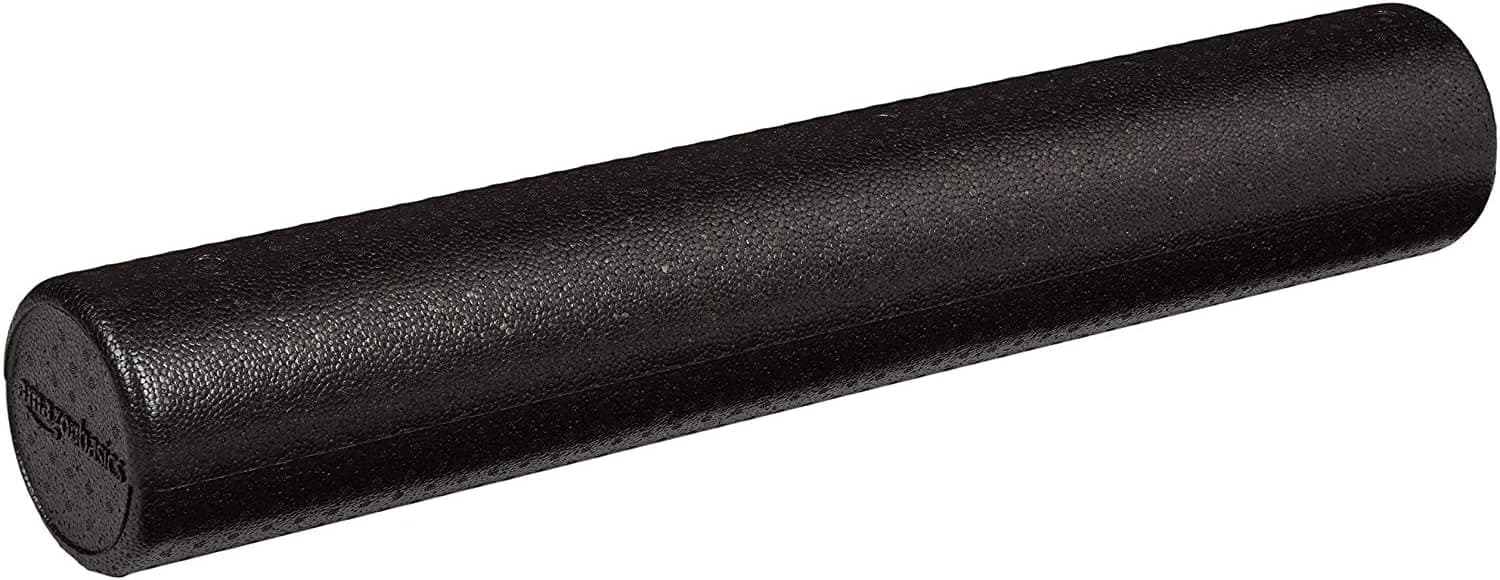
Foam rollers and massage guns are meant to help muscles feel better, so waking up sore or finding a bruise the next day is confusing. Mild tenderness after a first session can be normal, but bruising and lasting pain usually point to too much pressure, too long on one spot or working on the wrong areas. Adjusting technique usually solves it.
What is normal and what is not
Some tenderness the next day is common when you start foam rolling, especially on tight areas such as calves, quads and the upper back. It should be mild and fade within a day or two, similar to light post-exercise soreness.
Bruising, sharp pain, numbness, tingling or pain that gets worse over several days are not normal responses. Stop self-massage in that area and seek advice from a healthcare professional if symptoms persist.
Too much pressure
More pressure is not more effective. Pressing hard with a firm or textured roller, or pushing a massage gun deep into muscle, can damage small blood vessels and cause bruising.
Start with a softer roller or lower speed and a flat or large round attachment. Aim for a pressure that feels like a good stretch or comfortable discomfort, where you can still breathe normally and keep muscles relaxed.
Too long in one spot
Staying on a sore point for minutes at a time can irritate tissue. Many guidelines suggest about 30 seconds to two minutes per muscle group, moving slowly along the muscle rather than grinding into one spot.
With a massage gun, keep it moving and avoid holding it in one place for long. Several short sessions through the week tend to feel better than one long, intense session.
Avoid sensitive areas
Do not roll or use a massage gun directly on bones, joints, the front and sides of the neck, the lower back spine or areas with lots of nerves and blood vessels, such as behind the knee and the inner upper arm.
Avoid areas with bruises, open wounds, recent injuries, swelling or varicose veins. People who take blood thinners, have circulation or clotting conditions, or are pregnant should ask their doctor before using percussive or deep self-massage tools.
Recover and adjust
If you are bruised or sore, give the area several days off from rolling and massage. Gentle movement such as walking and light stretching helps more than working the area harder.
When you return, use less pressure, a softer tool and shorter sessions. A vibrating roller or low massage gun setting can provide relief with less force, which suits beginners and sensitive areas.