Infrared vs Traditional Sauna
Published How we research
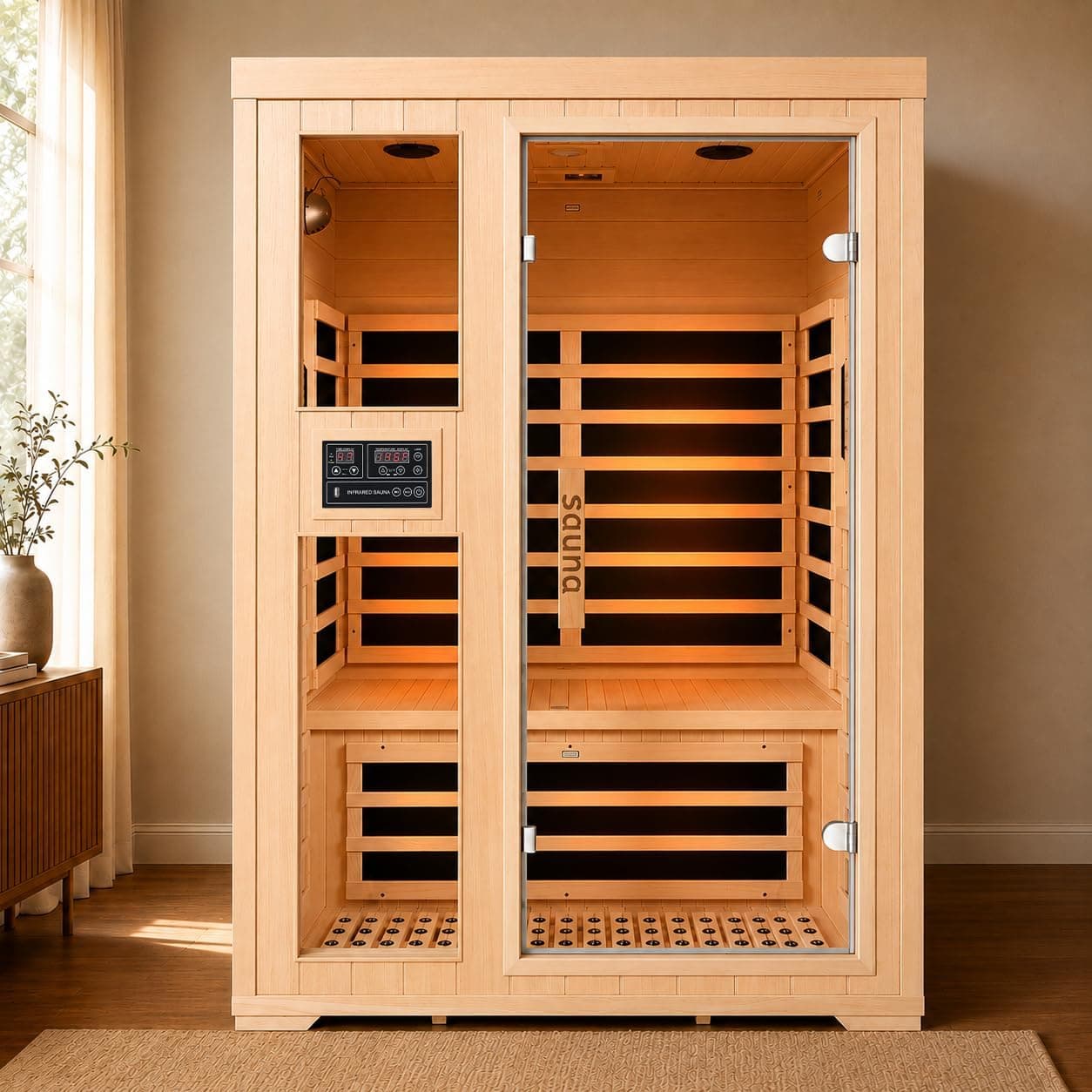
Adding a sauna to your home is one of the most inviting ways to build a recovery ritual, but the first decision is which kind to get. Infrared and traditional saunas both leave you warm, relaxed, and pleasantly loose, yet they get you there in noticeably different ways. Understanding how each works helps you choose the experience you will actually enjoy day after day.
Products from this article
The highest-scoring picks from the buying guides this article links to. Scores are our editorial assessment, not customer ratings.
+ APP and LCD panel control let you set the cabin from a phone or inside
From our guide: Best Infrared Saunas
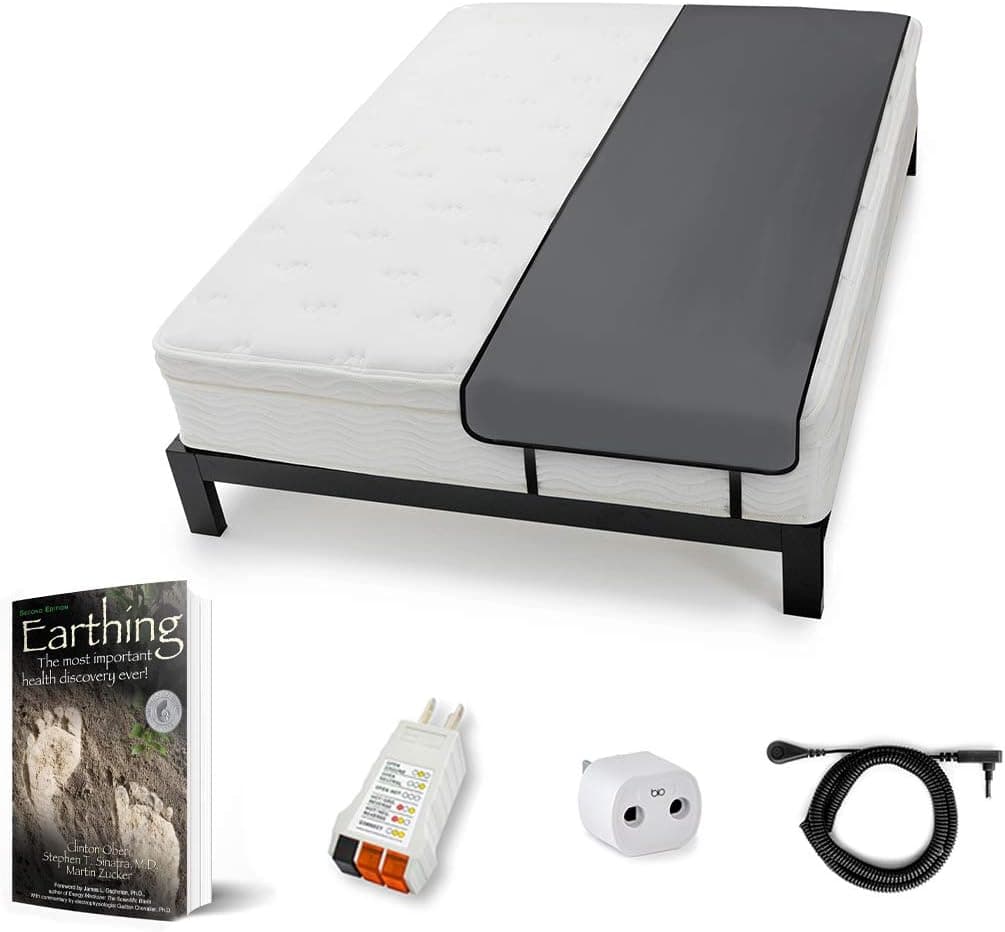
+ Fits any size bed, from twin to king, without buying a new version
From our guide: Best Grounding Mats
+ Harvia is a leading Finnish sauna heater maker
From our guide: Best Sauna Heaters of 2026: Electric and Wood-Burning Picks
+ 10 Minutes warm-up gets you sweating sooner than slower cabins
From our guide: Best Infrared Saunas
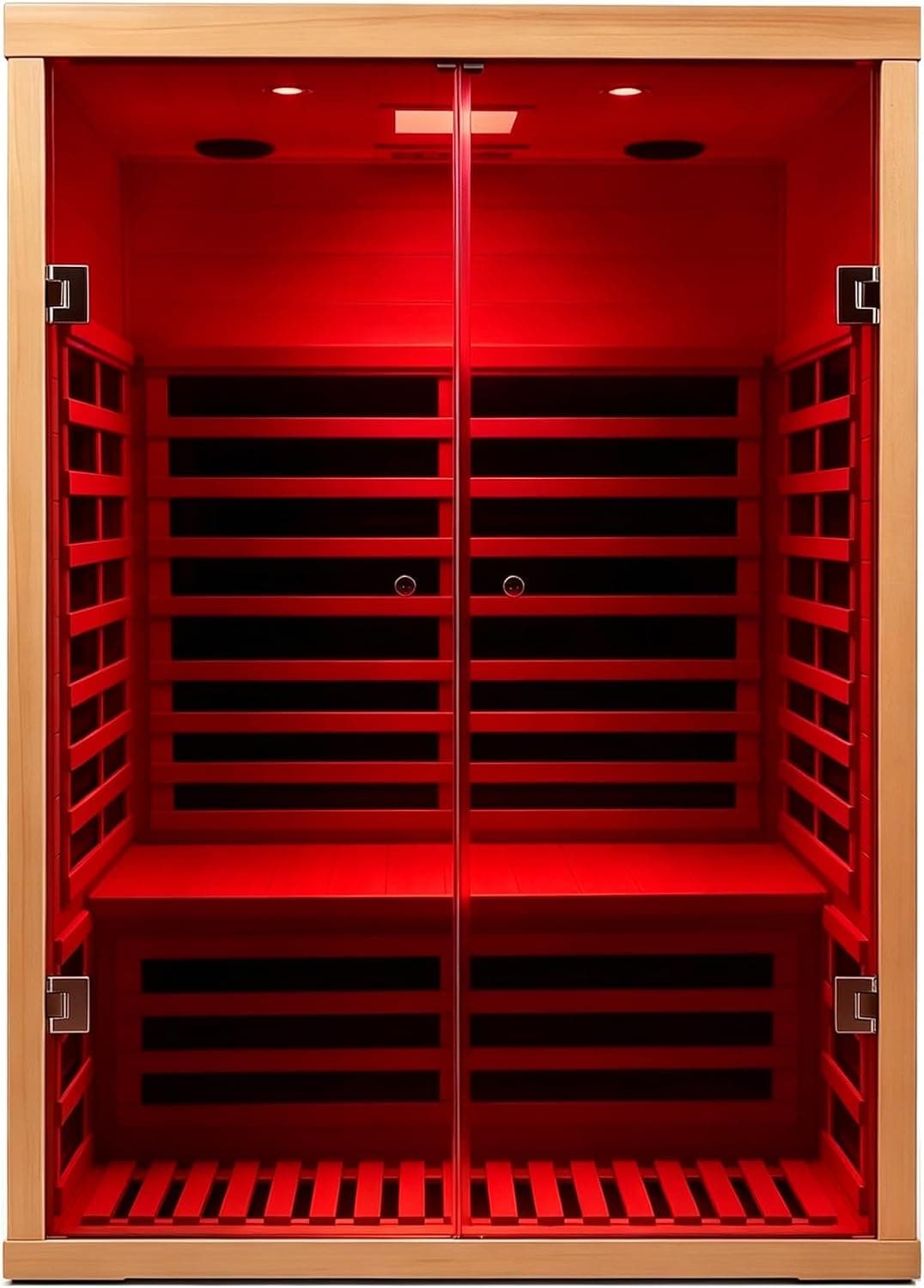
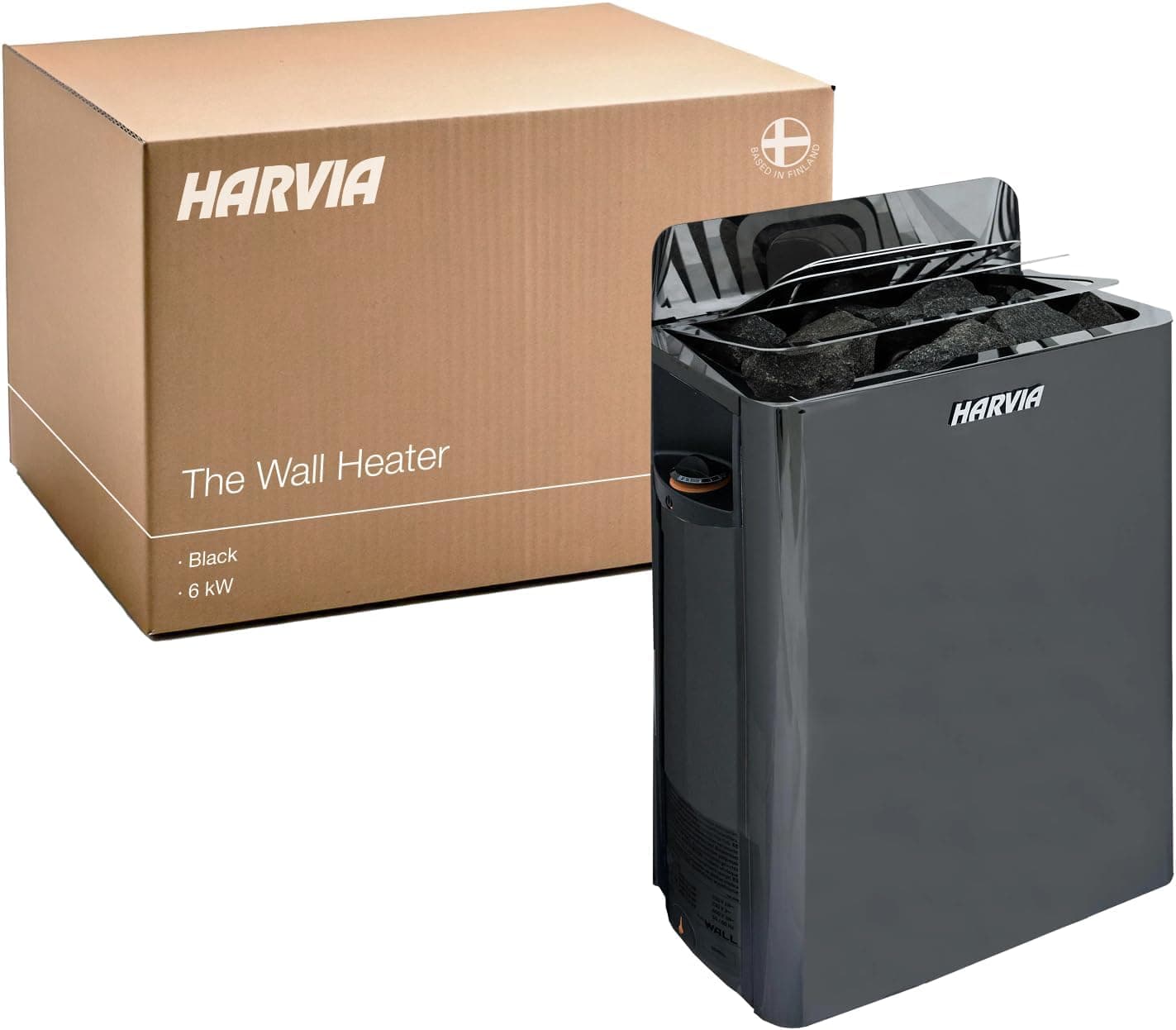
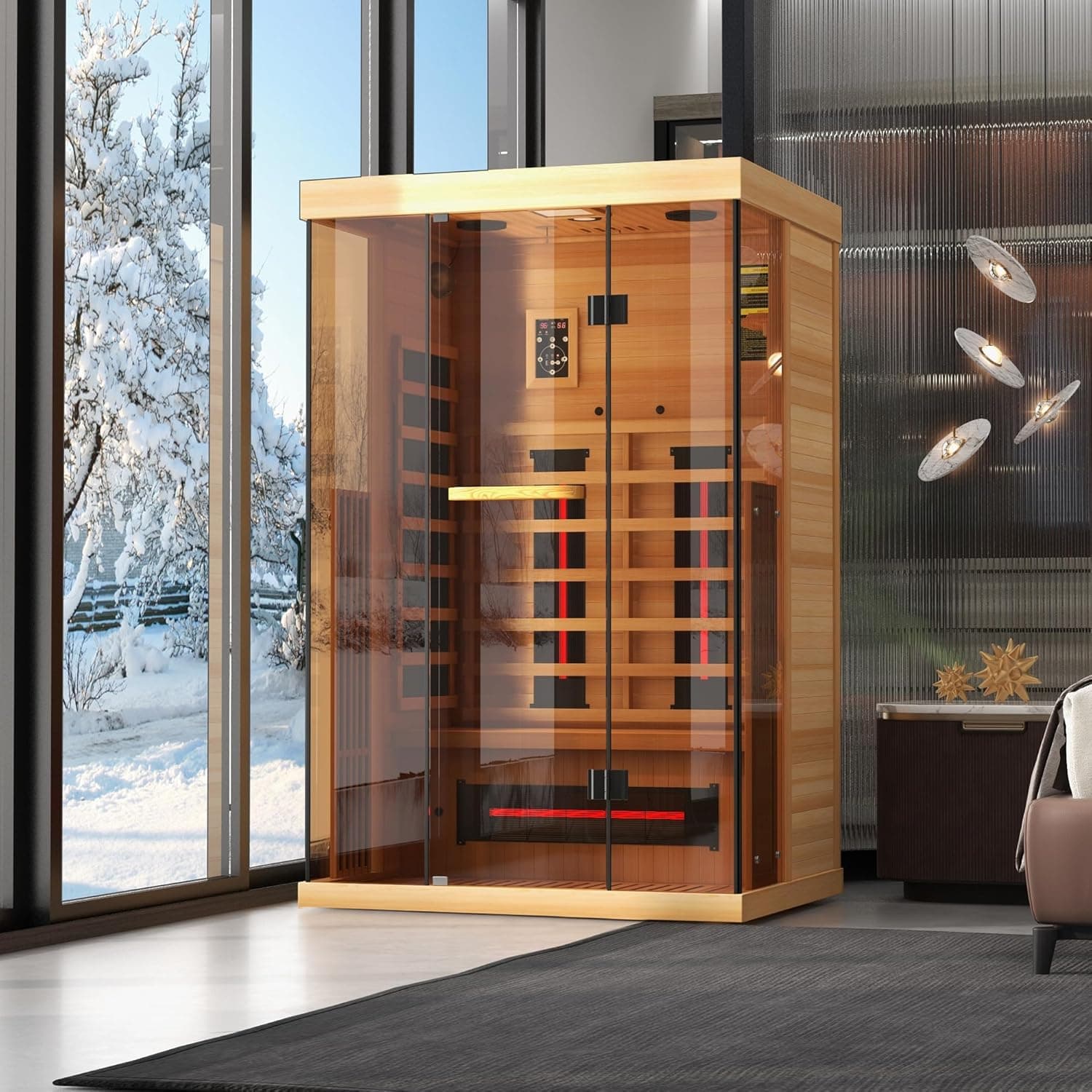
A traditional sauna heats the air around you, usually with an electric or wood-burning heater warming rocks that radiate into the room. The result is a hot, enveloping environment where you can pour water over the rocks to add steam and humidity. This is the classic sauna feel many people picture, intense, immersive, and social, with air temperatures that climb high and a heat you feel on every surface of your skin.
An infrared sauna takes a different path. Instead of heating the air to extreme levels, it uses infrared panels to warm your body more directly. Because your body absorbs that warmth at lower air temperatures, an infrared session tends to feel gentler and more breathable while still producing a satisfying sweat. People who find high-heat rooms overwhelming often gravitate toward infrared for exactly this reason.
Comfort and tolerance are where the two really diverge. If you love the enveloping blast of a hot room and the ritual of steam, a traditional sauna delivers that in full. If you prefer a milder, longer session where you can settle in and relax without feeling like you need to escape, infrared may suit you better. Neither is superior in general terms, they simply cater to different preferences.
Setup and practicality matter for home use. Infrared cabins often run on standard household power, heat up relatively quickly, and can be simpler to install in a spare room. Traditional saunas may require more robust wiring or ventilation, especially larger or wood-fired models, and they generally take longer to reach temperature. Your available space, electrical situation, and patience for warm-up time all factor in.
Cost varies across both categories, so think in terms of value rather than a flat comparison. Entry-level infrared units and compact traditional heaters can both be attainable, while larger or premium versions of either climb in price. Consider running costs and warm-up energy too, since a sauna you use daily should fit comfortably into your routine and your budget.
Whatever you choose, treat sauna time as the general wellness practice it is. Stay hydrated, keep early sessions modest in length, listen to your body, and step out if you feel lightheaded. If you are pregnant, have heart concerns, or take medications affected by heat, check with your doctor first. Both sauna types can become a cherished part of your recovery routine, so pick the heat that makes you want to come back.
At a glance: Infrared sauna vs Traditional sauna
| Infrared sauna | Traditional sauna | |
|---|---|---|
| Air temperature | Lower, often around 120-150°F | Higher, often around 150-195°F |
| Heat-up time | Short | Longer |
| Steam | No | Yes, water on stones |
| Power | Many run on a standard outlet | Usually needs a dedicated circuit |
| Feel | Gentle, deep warmth | Intense, humid heat |
| Home options | Cabins, blankets and portable units | Indoor cabins or outdoor barrels |
Choose Infrared sauna if
- You want easy installation in an apartment or spare room
- You find very hot air uncomfortable
- You want short heat-up times
Choose Traditional sauna if
- You want the classic sauna experience with steam
- You have space and a dedicated circuit
- You like intense heat
Bottom line: For most homes an infrared sauna is simpler to install and use. Choose a traditional sauna if the steam and high heat of a classic sauna are the point.
Popular right now
- Best Massage SticksBuying guide
- Best Muscle StimulatorsBuying guide
- Best Back StretchersBuying guide
- Compression Boots ExplainedArticle
- Why You Feel Sore or Bruised After Foam RollingArticle
- EMS (electrical muscle stimulation) explainedGlossary
Based on the last 28 days of search and visitor data.