Compression Boots Explained
Published How we research
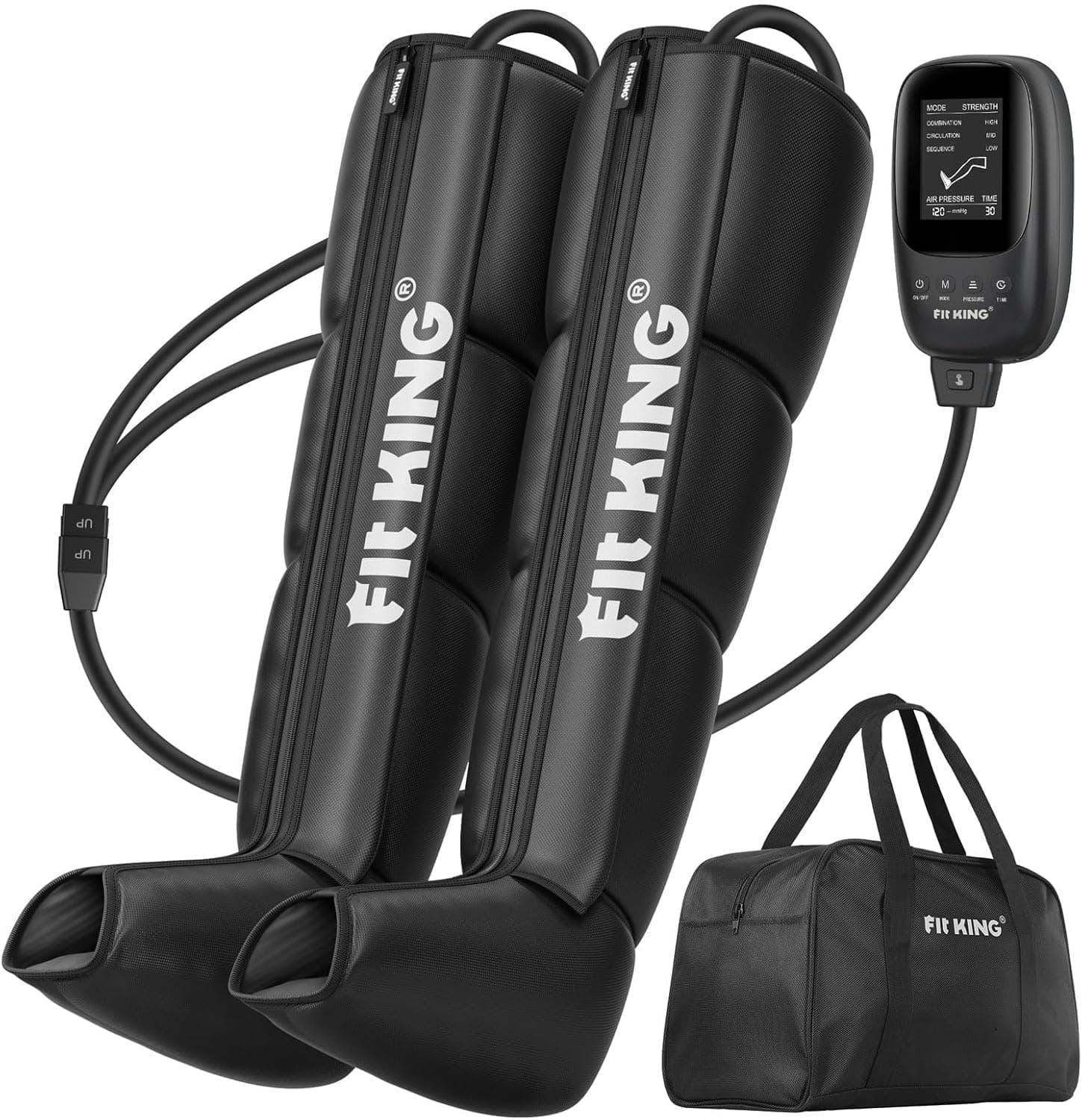
If you have seen athletes reclining with big inflatable sleeves wrapped around their legs, you have seen compression boots in action. These recovery devices have become popular well beyond professional sports, and they offer one of the most genuinely relaxing ways to spend time after a workout. Understanding how they work makes it easy to decide whether they belong in your routine.
Products from this article
The highest-scoring picks from the buying guides this article links to. Scores are our editorial assessment, not customer ratings.
+ Full foot and leg boots cover more area than calf wraps
From our guide: Best Compression Boots
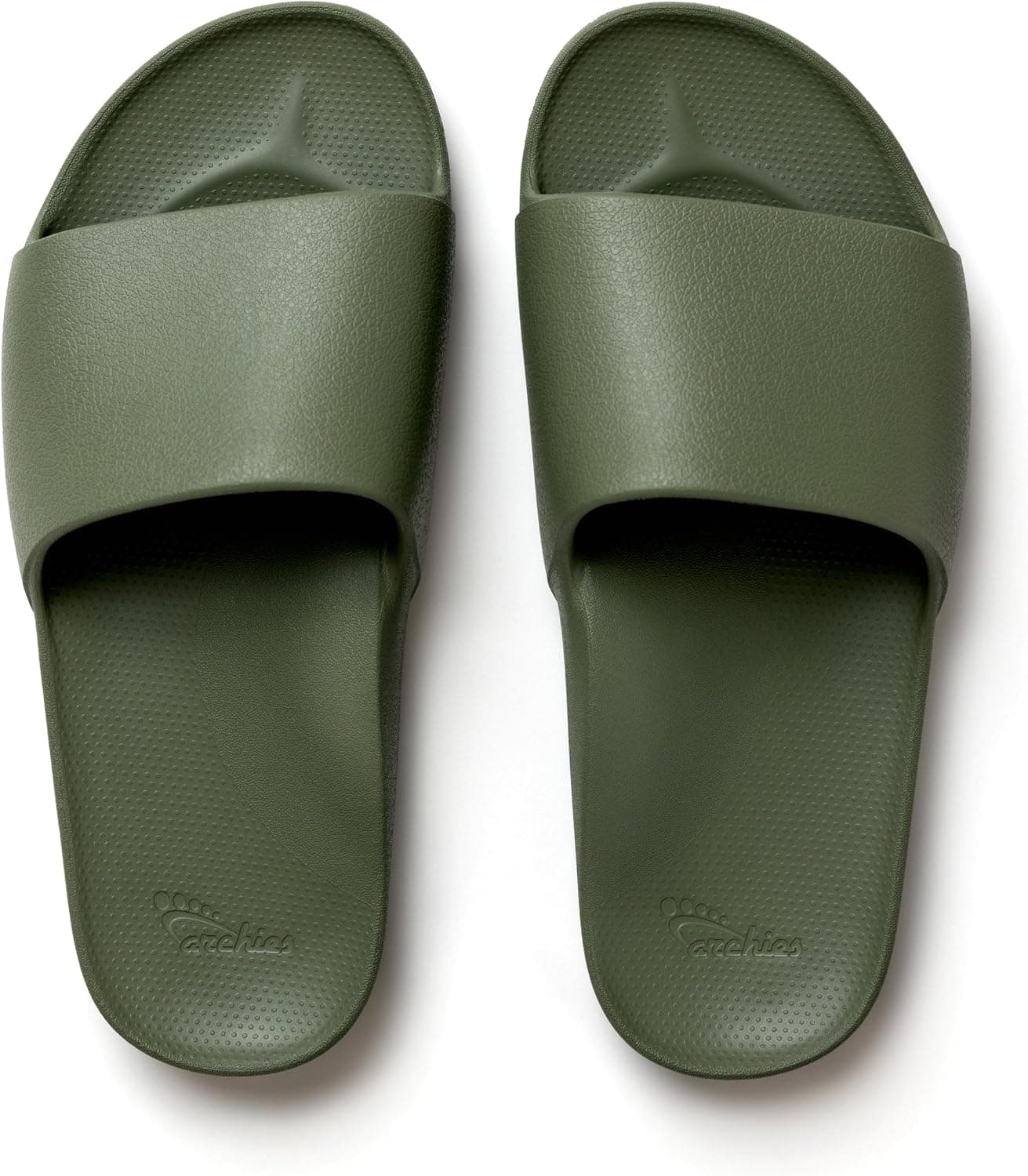
+ ARCHIES is known for arch support footwear
From our guide: Best Recovery Sandals
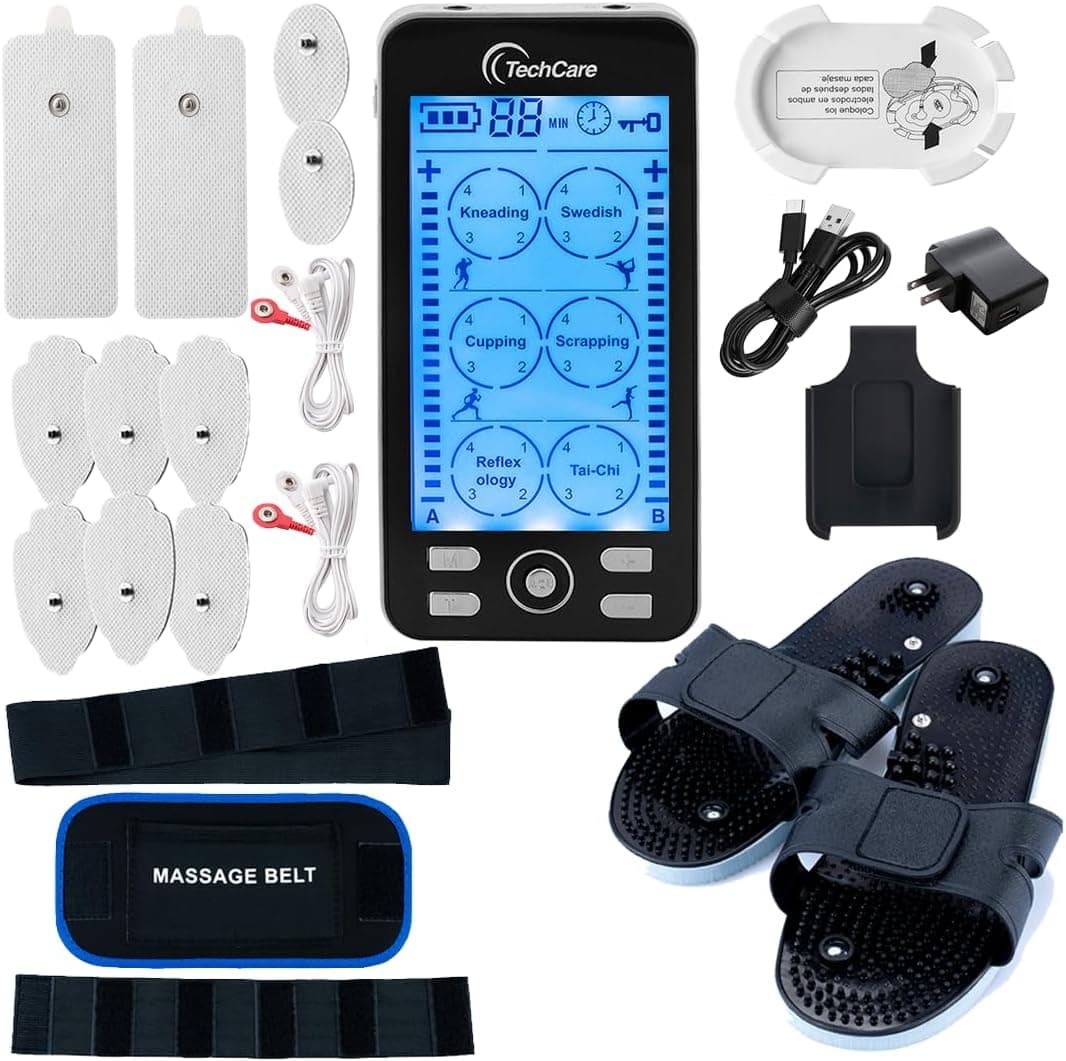
+ 30 Pads included means spares last a long time
From our guide: Best Muscle Stimulators
+ Cordless design frees you from sitting near an outlet
From our guide: Best Compression Boots
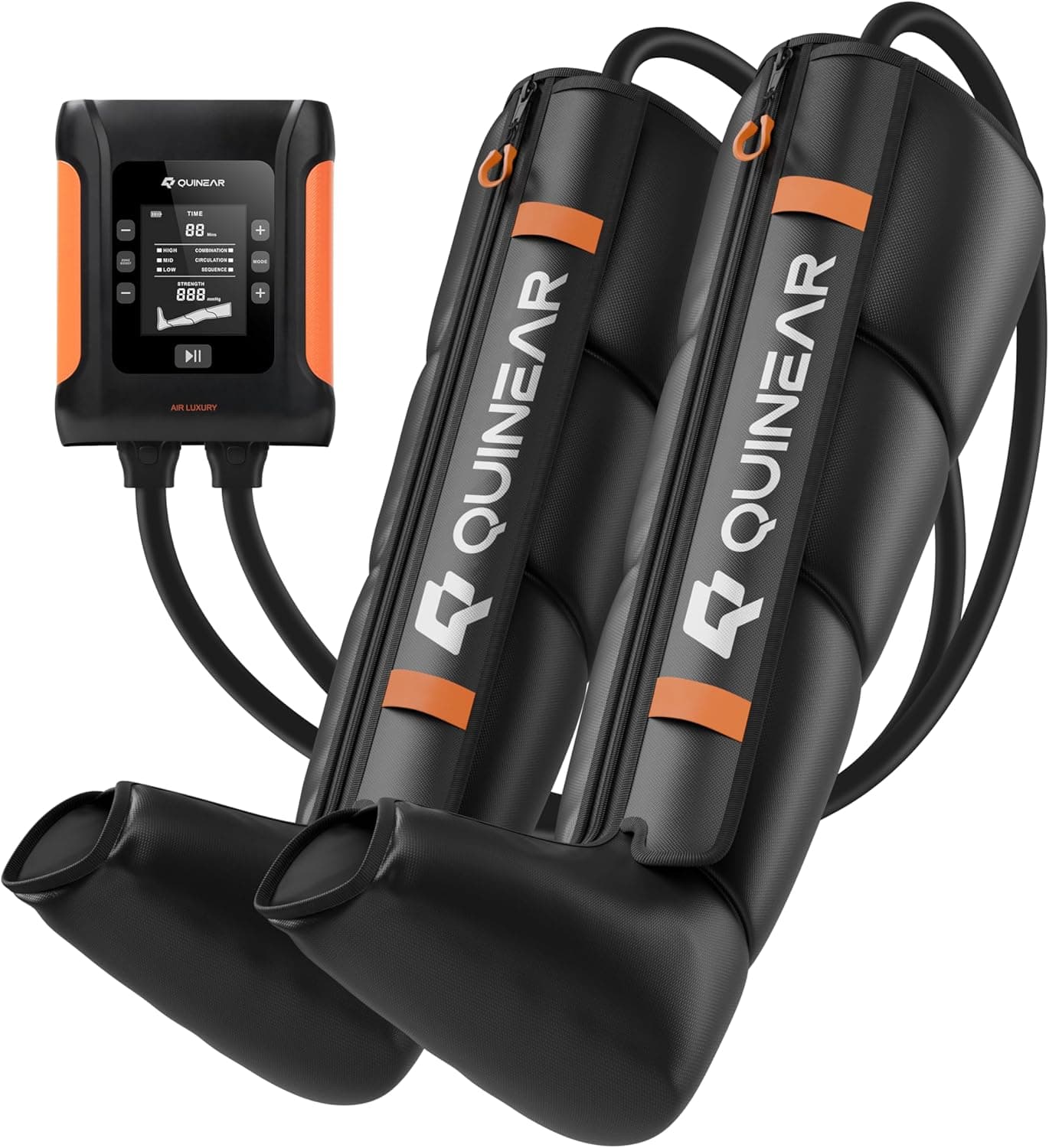
Compression boots are sleeves that fit over your legs and connect to a small pump. The pump inflates chambers within the boots in a sequence, gently squeezing your legs and then releasing in a rhythmic pattern. This dynamic squeezing and relaxing is what sets them apart from simply putting your feet up, and it is the reason a session feels so soothing.
The appeal is largely about how they make your legs feel. Many people describe a lighter, less heavy sensation in their legs after a session, particularly following long runs, hard leg workouts, or a day spent on their feet. Whether the effect is physical, psychological, or a bit of both, the experience of sitting back while the boots work is undeniably pleasant and easy to look forward to.
One of the best things about compression boots is that recovery becomes completely passive. You put them on, start the pump, and relax while they do their thing. That makes them a favorite for people who struggle to slow down, because the tool essentially forces you to sit still for a stretch of time. Pairing a session with a book, a show, or simply some quiet is a lovely way to unwind.
Using them is straightforward. You slip your legs into the sleeves, choose a comfortable pressure setting, and let the cycle run for a set period. Most people start with a lower pressure and a moderate duration, then adjust to taste. There is no technique to master, which is part of why they have caught on with everyone from serious athletes to weekend warriors and people who are simply on their feet all day.
Who benefits most tends to be anyone whose legs take a beating. Runners, cyclists, lifters, and people in jobs that keep them standing often find compression boots a welcome part of their routine. That said, they are a comfort and wellness tool rather than a medical treatment, so it is best to view them as a nice way to relax and de-stress your legs rather than a fix for any specific condition.
As with any recovery device, a little caution goes a long way. Keep the pressure comfortable, do not use them over injuries, and stop if anything feels wrong. If you have circulation problems, blood clots, deep vein concerns, or other medical conditions affecting your legs, check with your doctor before using compression boots. Used sensibly, they turn recovery into something you genuinely look forward to.
Quick answers
What do recovery compression boots do?
They inflate chambers around the legs in sequence, squeezing from feet toward hips. Many athletes use them to reduce the feeling of heavy legs after training.
Popular right now
- Best Massage SticksBuying guide
- Best Muscle StimulatorsBuying guide
- Best Back StretchersBuying guide
- Why You Feel Sore or Bruised After Foam RollingArticle
- EMS (electrical muscle stimulation) explainedGlossary
- Trigger point explainedGlossary
Based on the last 28 days of search and visitor data.