Active Recovery Days
Published How we research
Rest days are essential, but rest does not have to mean lying motionless on the couch. Active recovery is the practice of using light, easy movement on your off days to help your body bounce back faster than complete inactivity would allow. The logic is simple: gentle activity keeps blood flowing to tired muscles, delivering nutrients and clearing the byproducts of hard training, without adding the stress that would interfere with repair. Done well, an active recovery day leaves you feeling looser and more refreshed than a day spent entirely still.
Products from this article
The highest-scoring picks from the buying guides this article links to. Scores are our editorial assessment, not customer ratings.
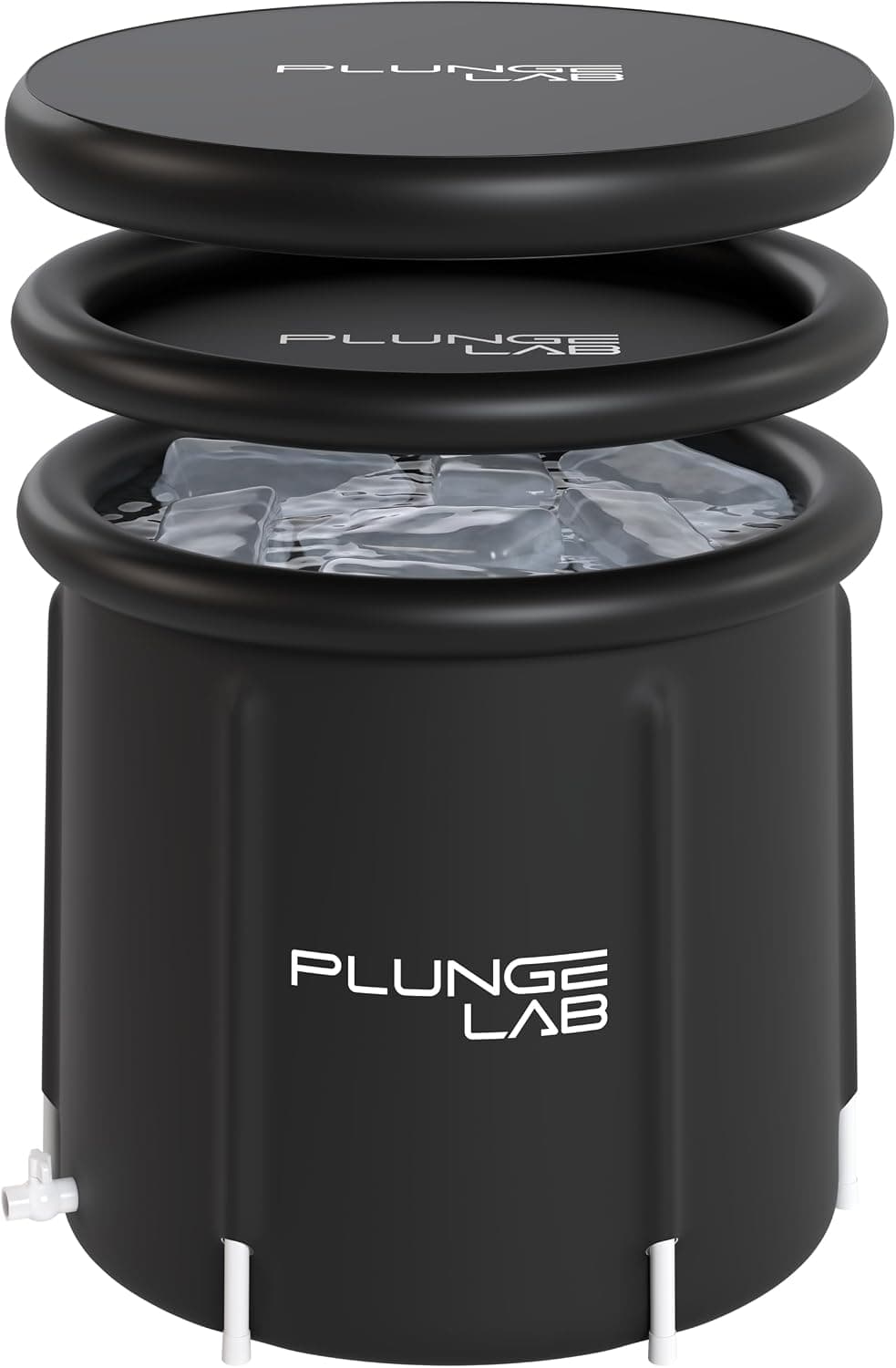
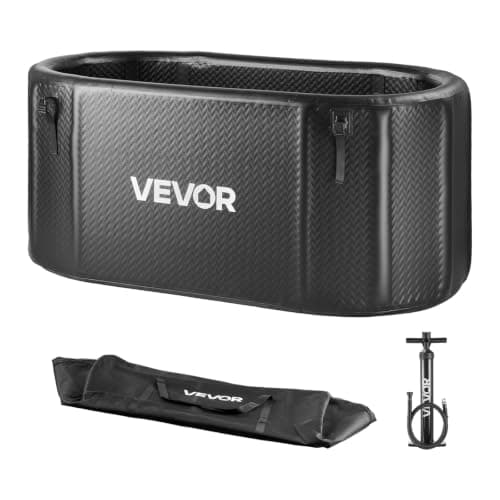
+ Double-layer insulation and a reinforced thermal lid are built to hold cold temperatures longer
From our guide: Best Cold Plunge Tubs
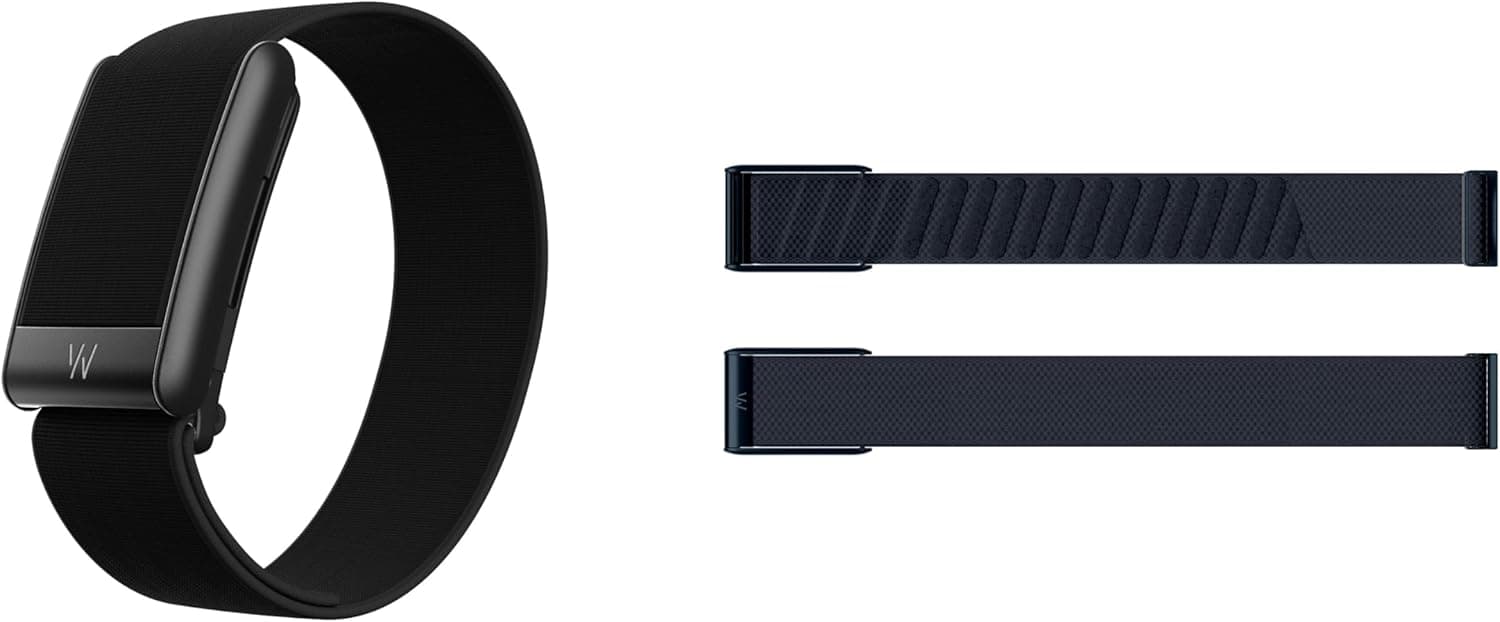
+ WHOOP 5.0 is the newer generation of the tracker
From our guide: Best Recovery Tracking Wearables
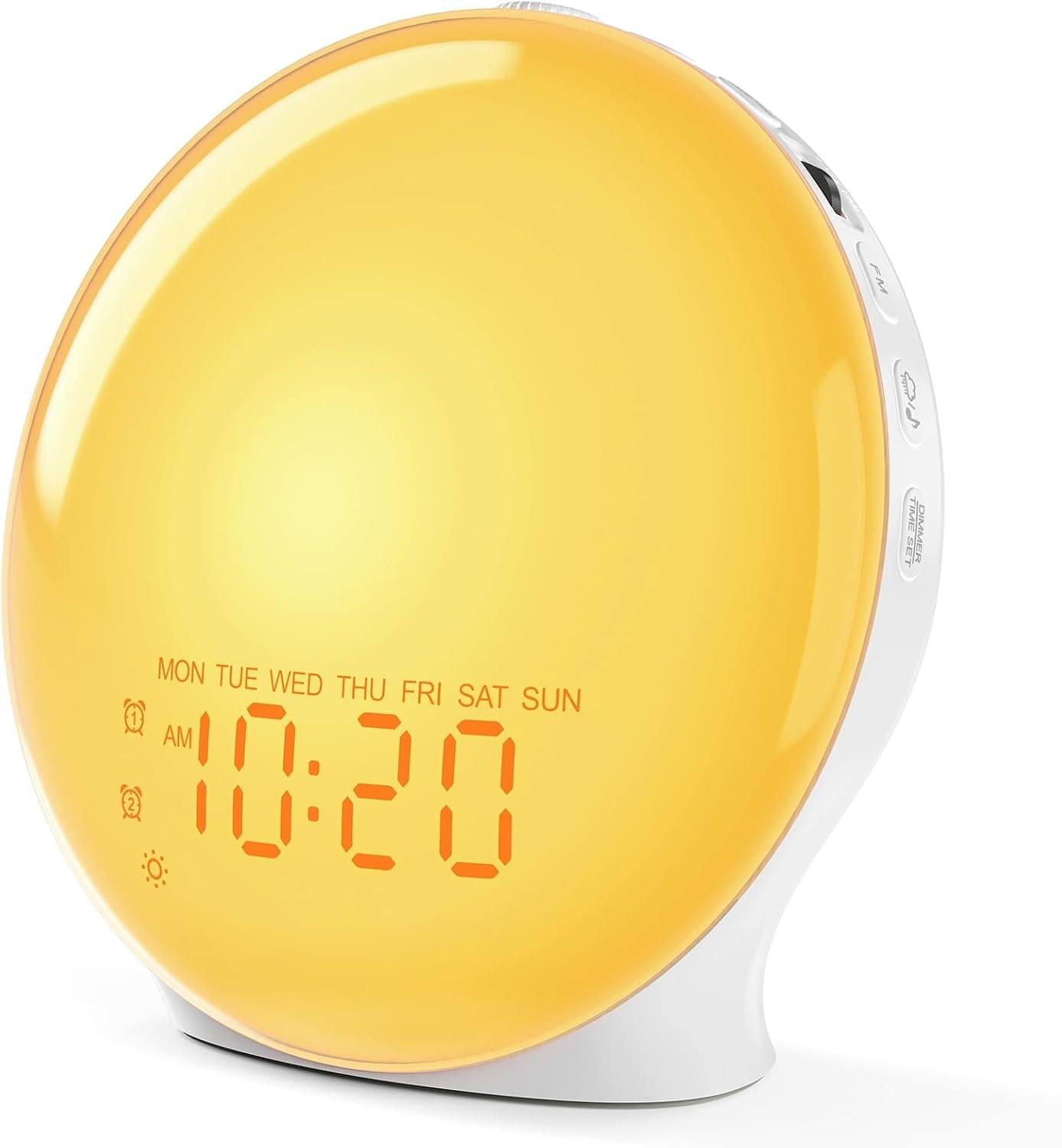
+ Full-screen light gives a broad, gradual sunrise glow
From our guide: Best Sunrise Alarm Clocks
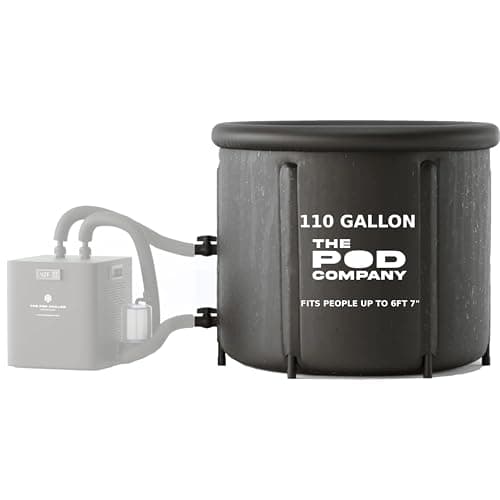
+ Standard G1/2 inch ports and adapters connect to most chillers, or can be sealed for use with ice
From our guide: Best Cold Plunge Tubs
The benefit comes down to circulation and movement quality. When you move at low intensity, your muscles act as pumps, pushing blood and lymphatic fluid through the body and helping flush out the metabolic waste that accumulates during intense exercise. This increased blood flow brings oxygen and nutrients to muscles that are rebuilding, which can ease soreness and stiffness. Gentle movement also keeps your joints mobile and your body accustomed to moving, so you do not return to hard training feeling rusty. The key word throughout is easy: the goal is to promote recovery, not to sneak in another workout.
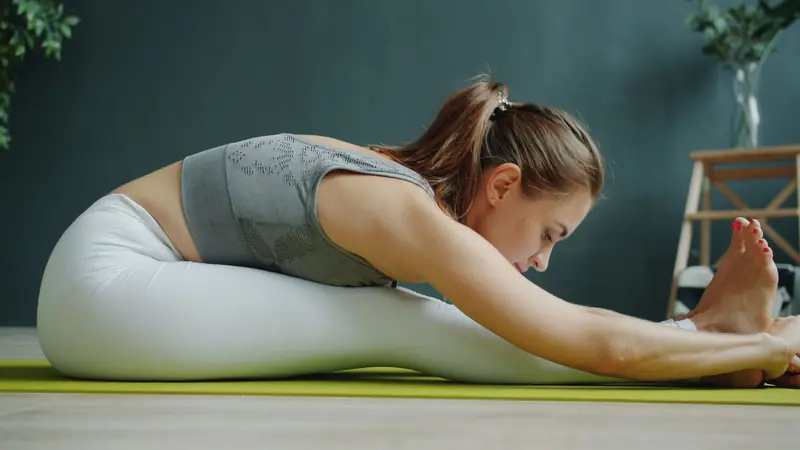
What counts as active recovery is refreshingly broad. A relaxed walk is perhaps the most underrated option, accessible to anyone and gentle on the body. Easy cycling, a light swim, or a slow flow of yoga all work well, as does casual mobility work or stretching. The unifying feature is intensity, or rather the lack of it. You should be able to hold a comfortable conversation the whole time, and you should finish feeling better than when you started, not depleted. If you are pushing hard enough to breathe heavily or feel fatigued, it is no longer recovery.
How you use active recovery depends on your training. For many people, one or two active recovery days per week slotted between harder sessions keeps them moving without overreaching. After an especially demanding workout, a short bout of light movement the next day can take the edge off soreness. The intensity should scale down as your training load goes up: the harder your week, the gentler your recovery days should be. Twenty to forty minutes of easy activity is plenty, and there is no prize for doing more.
Active recovery is not always the right answer, and knowing when to choose full rest matters. If you are genuinely exhausted, ill, or nursing an injury, complete rest is the wiser choice, and pushing movement for its own sake can do more harm than good. Listen to the signals: persistent fatigue, disrupted sleep, elevated resting heart rate, or a stubborn lack of motivation all suggest your body needs a true day off rather than a light session. Active recovery is a tool, not an obligation, and part of using it well is recognizing the days when stillness serves you better.
The habit works best when it feels enjoyable rather than dutiful. Choose activities you actually like, whether that is a walk somewhere pleasant, an easy ride, or a gentle swim, so recovery days become something you look forward to rather than another item to check off. Pair the movement with the rest of your recovery routine, staying hydrated, eating well, and protecting your sleep, and you create off days that genuinely restore you. Approached this way, active recovery bridges the gap between hard training and full rest, keeping you moving, easing soreness, and helping you show up fresher for your next real effort.
Popular right now
- Best Massage SticksBuying guide
- Best Muscle StimulatorsBuying guide
- Best Back StretchersBuying guide
- Compression Boots ExplainedArticle
- Why You Feel Sore or Bruised After Foam RollingArticle
- EMS (electrical muscle stimulation) explainedGlossary
Based on the last 28 days of search and visitor data.