Building a Home Recovery Room
Published How we research
There is real value in having a dedicated space for recovery, a spot in your home where you can stretch, roll out, and unwind without distraction. A home recovery room does not require a mansion or a huge budget. With a bit of planning, you can turn a spare bedroom, a garage corner, or even a nook in your living space into an inviting retreat that makes recovery something you actually look forward to.
Products from this article
The highest-scoring picks from the buying guides this article links to. Scores are our editorial assessment, not customer ratings.
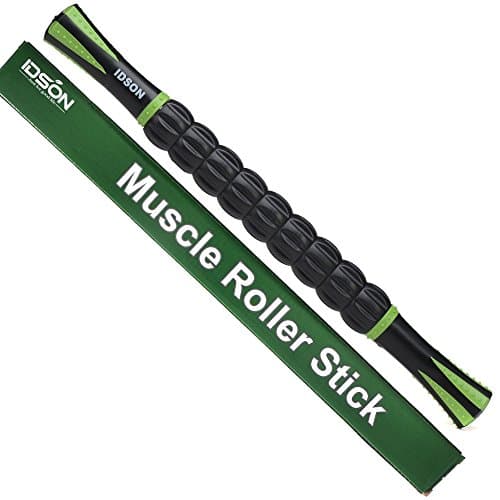
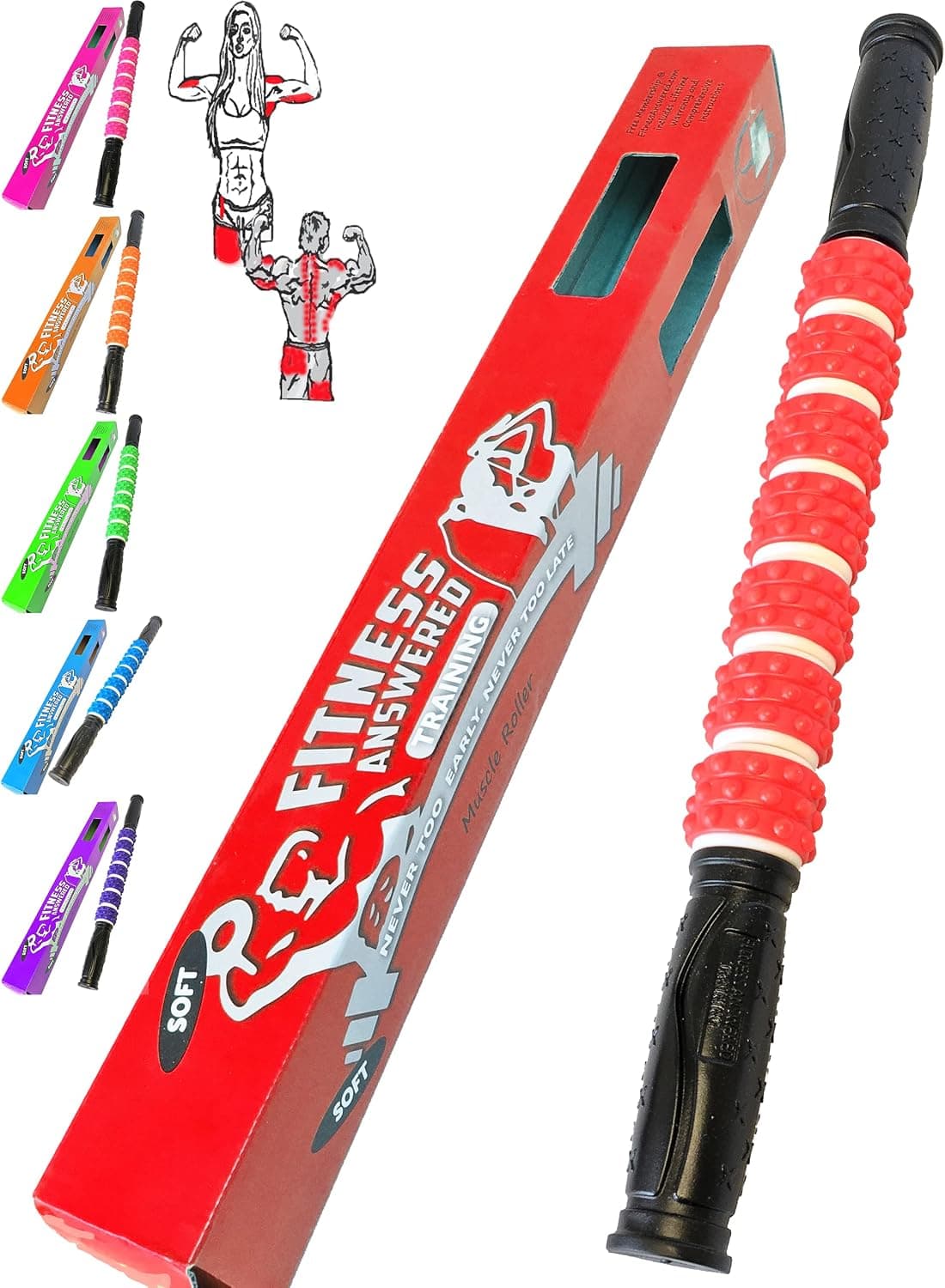
+ 17.75 inch length is easy to control on legs and arms
From our guide: Best Massage Sticks
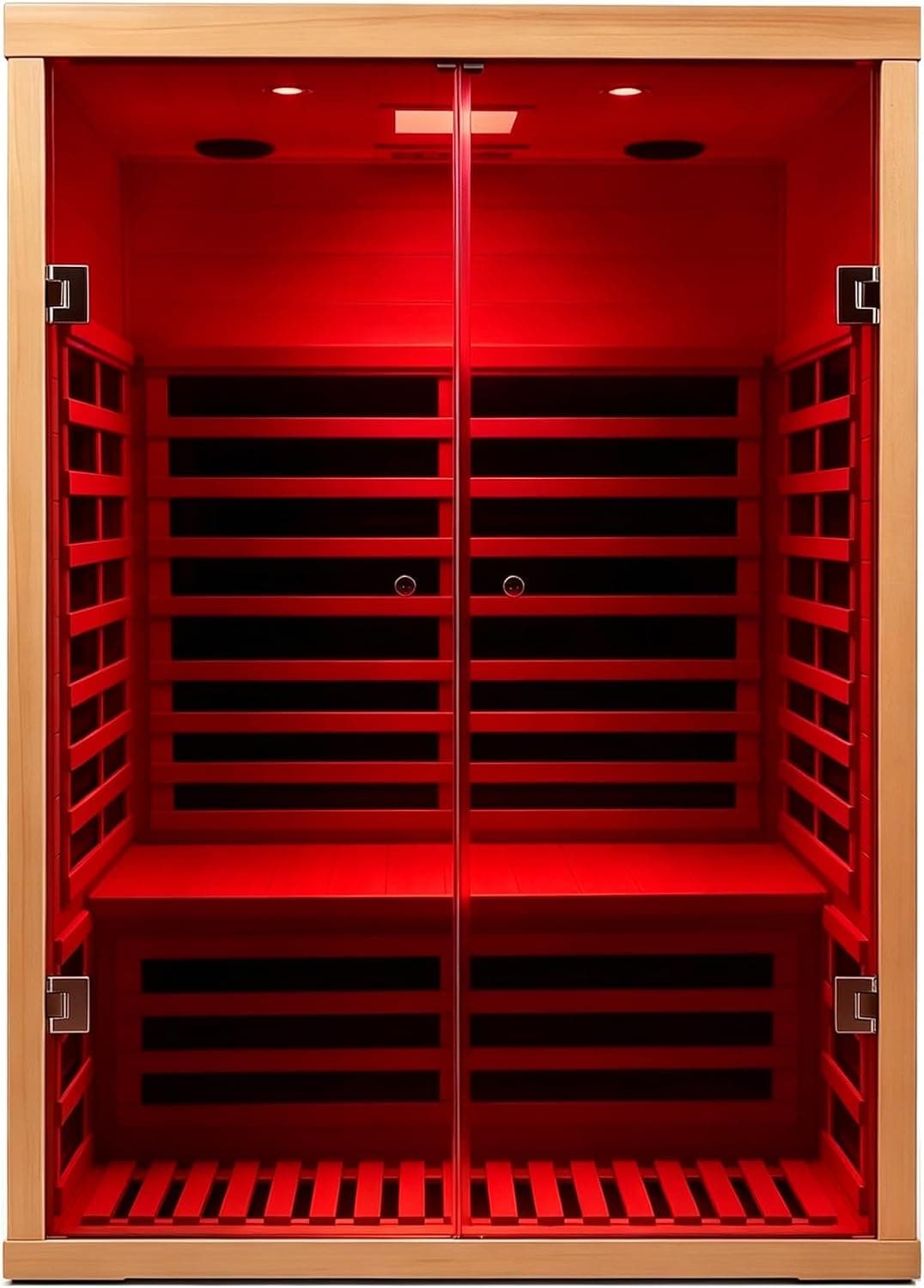
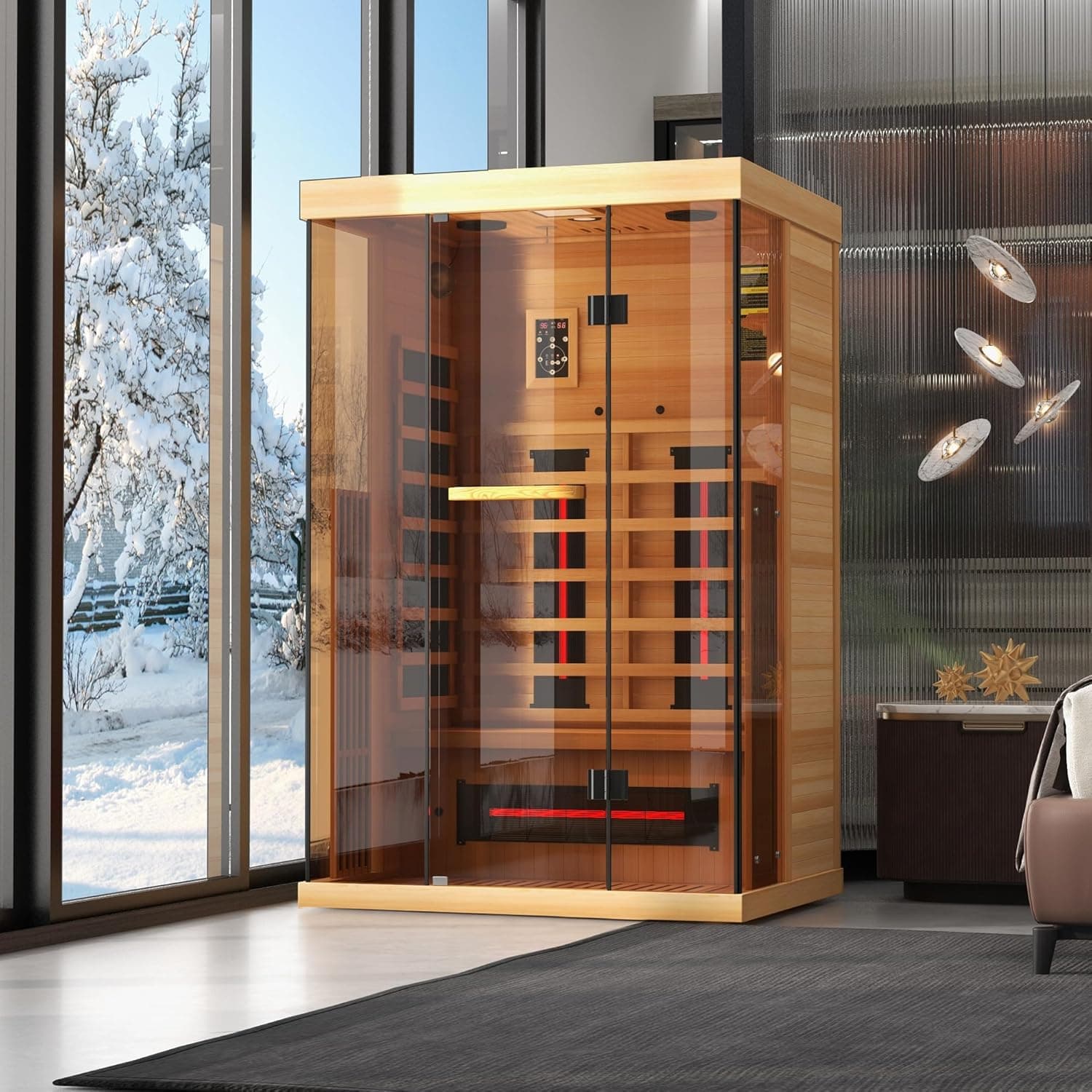
+ APP and LCD panel control let you set the cabin from a phone or inside
From our guide: Best Infrared Saunas
+ Nine independent ABS rollers spin on a steel rod core, the classic layout for rolling legs before or after a run
From our guide: Best Massage Sticks
+ 10 Minutes warm-up gets you sweating sooner than slower cabins
From our guide: Best Infrared Saunas
Start by choosing and preparing the space. It does not need to be large, just clear and comfortable. A patch of open floor for stretching and rolling is the foundation, so prioritize enough room to lie down and move your limbs freely. Good flooring matters here, since a supportive mat or padded surface makes floor work far more pleasant and protects your equipment and your joints.
Next, think about the atmosphere, because a recovery room should feel calm and separate from the busyness of the rest of your home. Soft, warm lighting rather than harsh overhead glare helps signal that this is a place to slow down. Keeping the space uncluttered and quiet, perhaps with the option for some relaxing music, turns it into somewhere you genuinely want to spend time rather than a storage room you dread entering.
With the space set, add your core recovery tools in layers. A foam roller and a massage gun are affordable, versatile staples that cover a lot of ground for stretching and easing tight muscles. These basics alone can make a recovery room worthwhile, and they store easily in a corner or on a small shelf when you are done, keeping the area tidy.
From there, you can build up based on your interests and budget. Compression boots give you a passive, relaxing option for your legs, and if you have the room and the resources, a compact sauna or a cold plunge setup can anchor the space as a true recovery hub. There is no need to buy everything at once, add pieces over time as you learn which rituals you actually use and enjoy.
Storage and organization keep the room functional. Simple shelving, hooks, and a basket or two keep your tools accessible and off the floor, which matters in a space meant for movement. When everything has a home and the floor stays clear, you remove the friction that so often keeps people from using their equipment. A tidy room is a used room.
Finally, design the space around the habit you want to build. Keep it easy to walk into, easy to use, and pleasant to be in, so recovery becomes a natural part of your day rather than a chore. Even a modest corner, thoughtfully arranged, can transform how consistently you take care of your body. Build the room to invite you in, and you will find yourself recovering more without ever forcing it.
Popular right now
- Best Massage SticksBuying guide
- Best Muscle StimulatorsBuying guide
- Best Back StretchersBuying guide
- Compression Boots ExplainedArticle
- Why You Feel Sore or Bruised After Foam RollingArticle
- EMS (electrical muscle stimulation) explainedGlossary
Based on the last 28 days of search and visitor data.