Building a Home Recovery Routine That Actually Sticks
Published How we research
Recovery is where the results of your training actually take hold, yet it is the part most people neglect. The appeal of a home recovery routine is that it removes the friction of driving to a spa or clinic and lets you support your body on your own schedule. The mistake many people make is buying every gadget on the market and using none of them consistently. A routine that sticks is built on a small number of high-value habits, arranged so they fit naturally into the rhythm of your week rather than fighting against it.
Products from this article
The highest-scoring picks from the buying guides this article links to. Scores are our editorial assessment, not customer ratings.
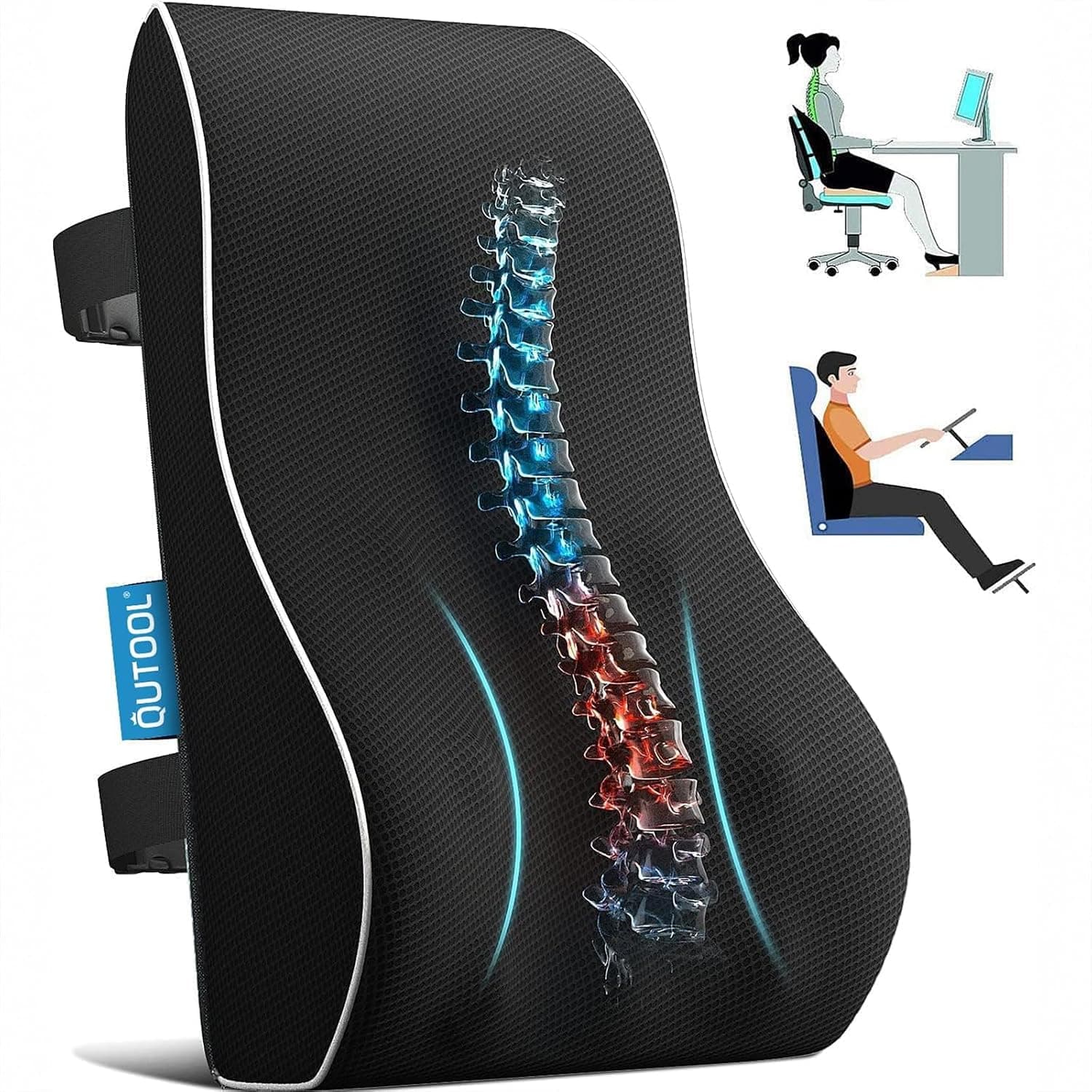
+ Double Adjustable Straps keep the pillow at the right height
From our guide: Best Lumbar Support Cushions
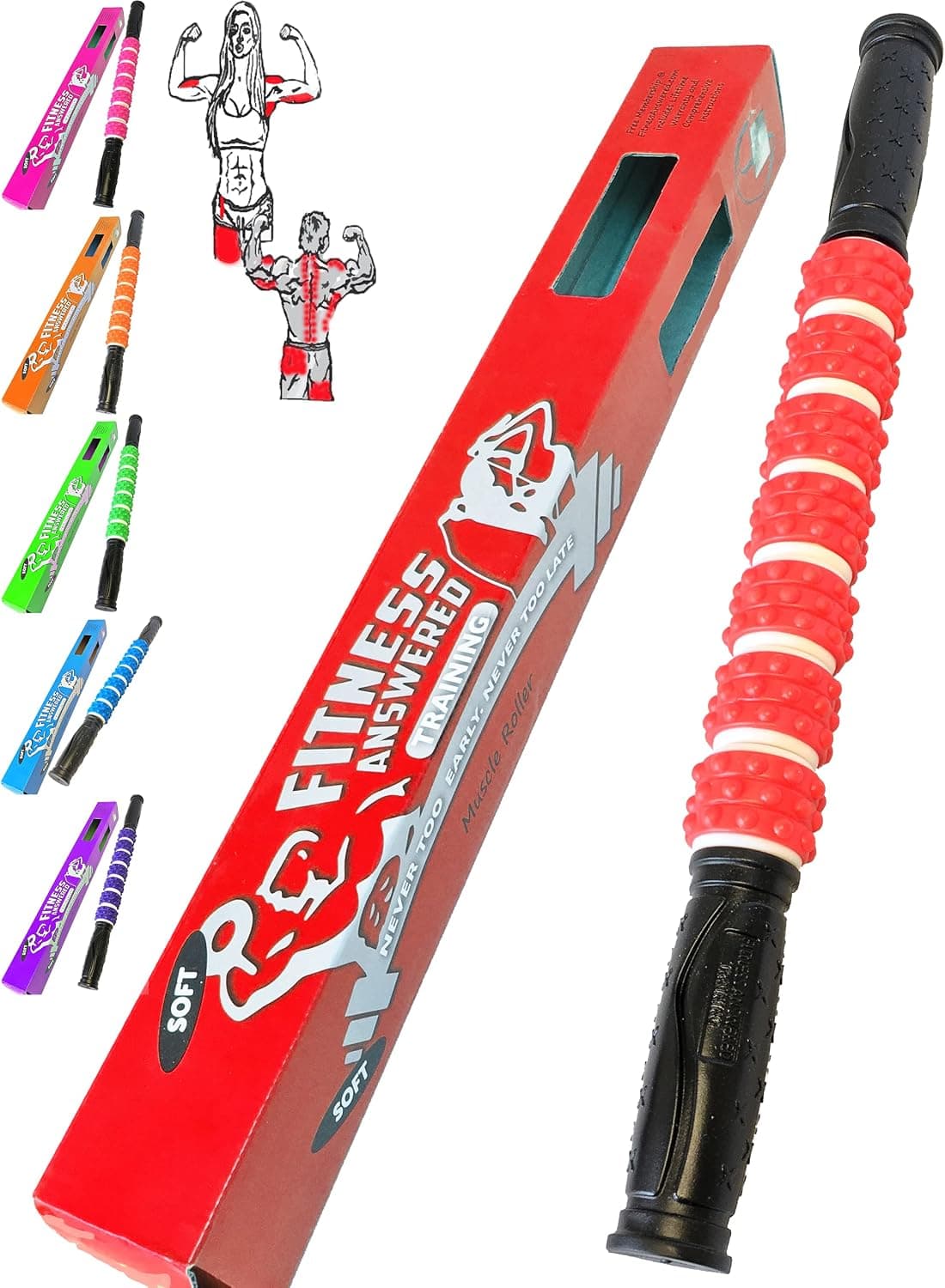
+ 17.75 inch length is easy to control on legs and arms
From our guide: Best Massage Sticks
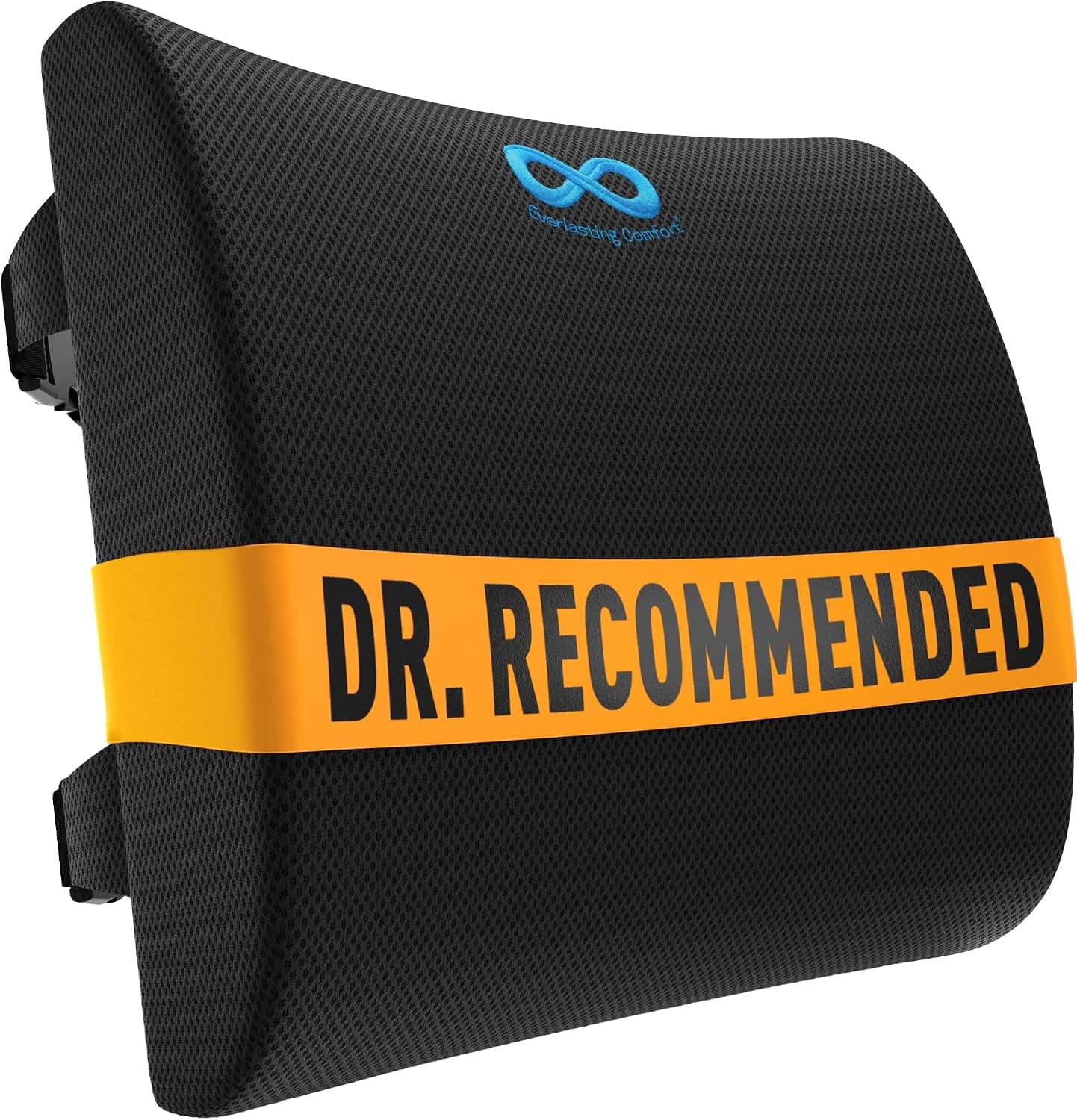
+ Original model has a long track record with office workers
From our guide: Best Lumbar Support Cushions
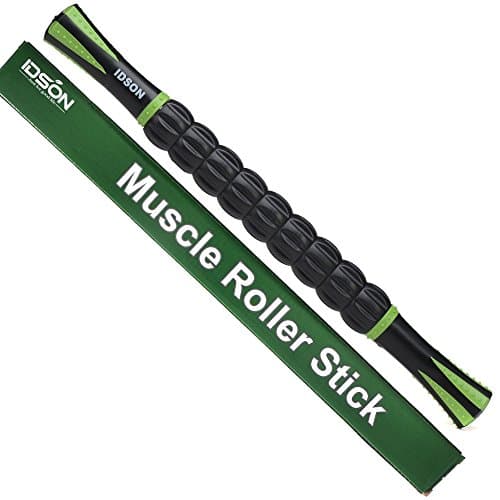
+ Nine independent ABS rollers spin on a steel rod core, the classic layout for rolling legs before or after a run
From our guide: Best Massage Sticks

Before any equipment, get the foundations right, because no device can compensate for a shaky base. Sleep is the single most powerful recovery tool you have, so protect seven to nine hours and treat a consistent bedtime as non-negotiable. Hydration and adequate protein support tissue repair, and gentle daily movement keeps blood flowing to muscles that are healing. If you only ever nail sleep, nutrition, and easy movement, you will out-recover most people who own a closet full of recovery gadgets but skip the basics.
Once the foundations are solid, layer in tools that match your needs and space. A foam roller is the cheapest and most versatile starting point, useful for easing tight muscles and improving mobility in a few minutes a day. A massage gun adds quick, targeted relief for stubborn spots. If you have the space and budget, heat in the form of a sauna blanket or infrared panel supports relaxation, while cold in the form of a plunge tub or even cold showers offers an energizing counterpoint. Compression boots are a comfortable, passive option for tired legs. Choose based on what you will actually use, not what looks impressive.
Structure turns a pile of tools into a routine. Anchor short recovery blocks to things you already do so they become automatic. A few minutes of foam rolling while you watch television, a cold finish to your morning shower, ten minutes in compression boots while you answer messages: these micro-habits accumulate without demanding dedicated time. Reserve longer sessions, such as a sauna or an extended mobility flow, for the days when you have more space, and let the small daily habits carry the load the rest of the time.
Match the intensity of your recovery to the intensity of your training. Hard days and heavy weeks call for more attention: prioritize sleep, add a sauna or plunge, and be generous with mobility work. Easy weeks need less. Learning to read your own body, noticing lingering soreness, poor sleep, or a dip in motivation, lets you dial recovery up or down intelligently rather than doing the same thing regardless of load. This responsiveness is what separates a routine that serves you from one that becomes just another box to tick.
Finally, give the routine time and keep it simple enough to survive a busy week. The best recovery practice is the one you still do when life gets hectic, so favor a handful of reliable habits over an elaborate protocol you abandon within a month. Track how you feel over a few weeks, keep what clearly helps, and quietly drop what does not. Built this way, around strong foundations, a few well-chosen tools, and habits anchored to your existing routine, home recovery stops being a chore and becomes something your body genuinely looks forward to.
Popular right now
- Best Massage SticksBuying guide
- Best Muscle StimulatorsBuying guide
- Best Back StretchersBuying guide
- Compression Boots ExplainedArticle
- Why You Feel Sore or Bruised After Foam RollingArticle
- EMS (electrical muscle stimulation) explainedGlossary
Based on the last 28 days of search and visitor data.