Cold Plunge Benefits and How to Start Safely
Published How we research
Cold immersion causes vasoconstriction and a norepinephrine spike, which many people experience as mental clarity and reduced perceived soreness. Start simple: 30 seconds of cold at the end of a shower, then progress to a bath or plunge around 10-15C for 2-4 minutes, breathing slowly and calmly rather than gasping. Never plunge alone in deep or natural water, ease in rather than diving, and consult a doctor first with heart, blood pressure, or circulation conditions. Consistency (2-3 sessions a week) beats chasing extreme cold or long durations. Cold plunging has moved from an athlete-only ritual into mainstream recovery, and for good reason. Deliberately immersing your body in cold water triggers a cascade of responses: your blood vessels constrict, your nervous system fires up, and your body works to defend its core temperature. Fans report sharper focus, a lift in mood, less muscle soreness after hard training, and a feeling of resilience that carries into the rest of the day. While research is still catching up to the enthusiasm, the short-term effects on alertness and perceived recovery are consistent enough that cold exposure has earned a real place in a recovery toolkit.
Products from this article
The highest-scoring picks from the buying guides this article links to. Scores are our editorial assessment, not customer ratings.
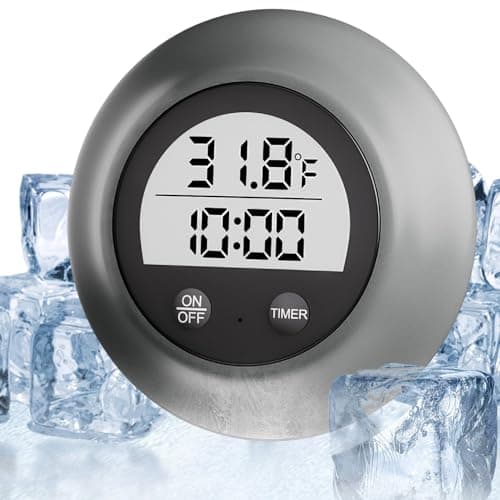
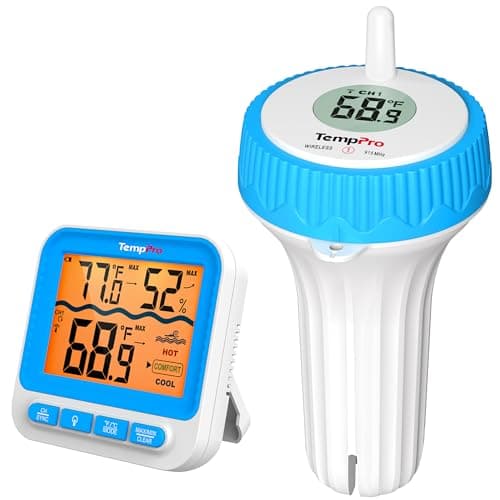
+ Listed accuracy of plus or minus 0.4°F, with an extended sensor that reads below the surface and the ice layer
From our guide: Best Ice Bath Thermometers
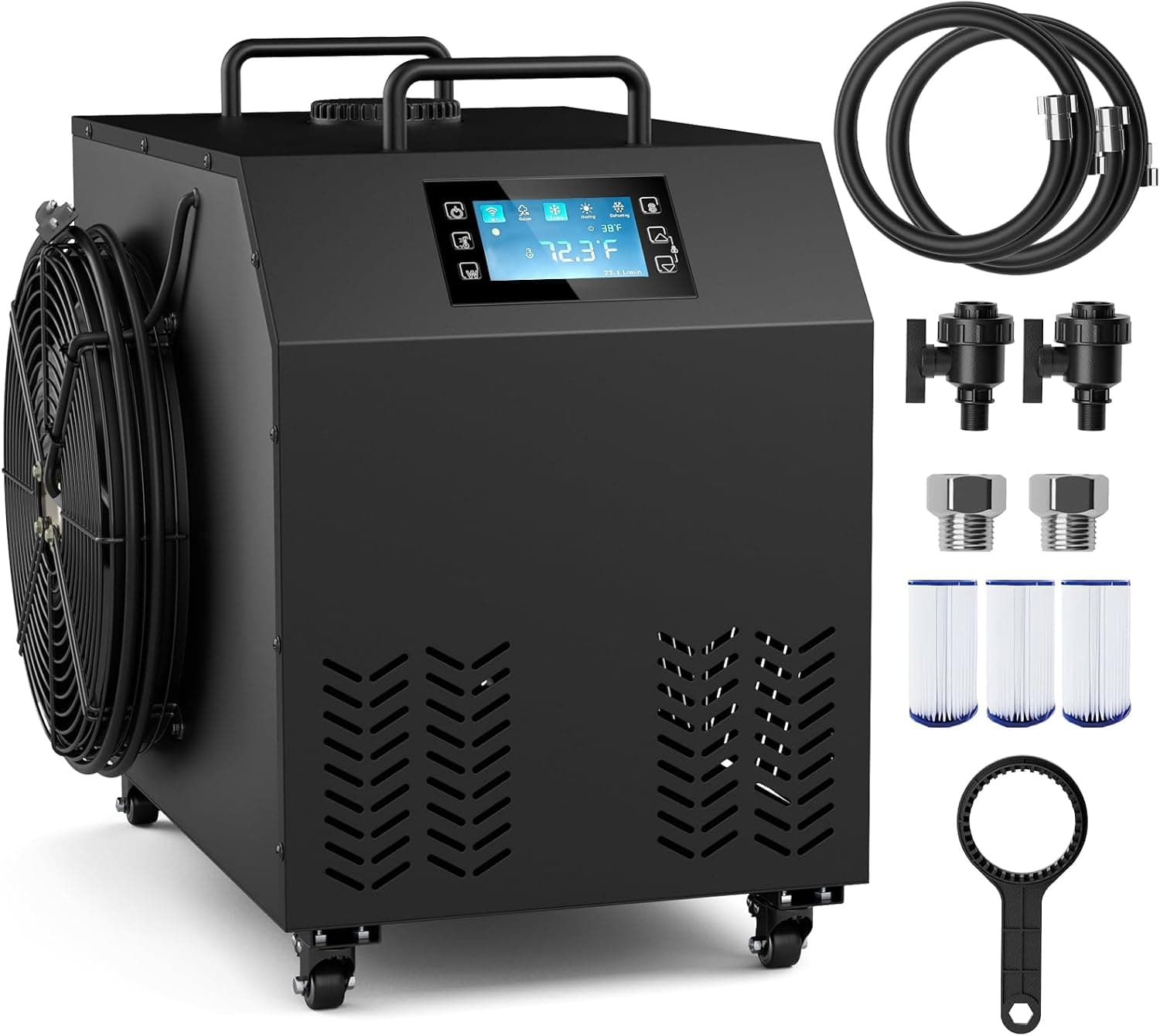
+ 1HP cooling handles bigger tubs and warm climates better than 1/3 HP units
From our guide: Best Cold Plunge Chillers
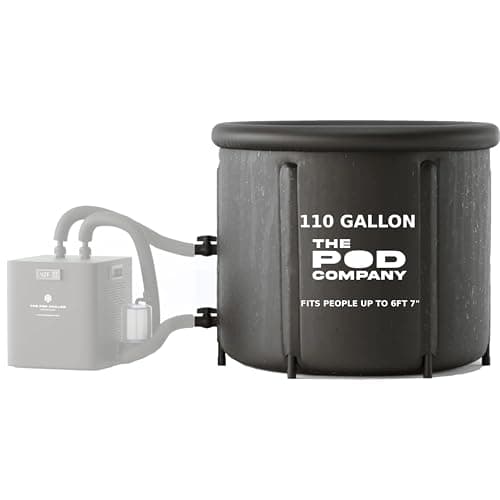
+ Double-layer insulation and a reinforced thermal lid are built to hold cold temperatures longer
From our guide: Best Cold Plunge Tubs
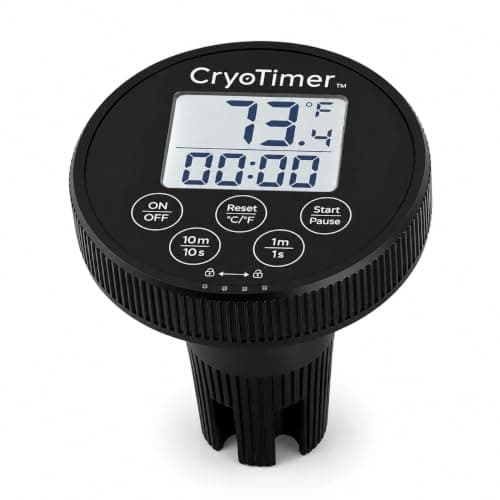
+ IPX8 sensor listed for cold plunge, hot tub and ice bath use, with 0.9 degrees F accuracy from 32 to 140 degrees F.
From our guide: Best Ice Bath Thermometers
The physiology: vasoconstriction and norepinephrine
The physiology is worth understanding before you jump in. Cold water causes vasoconstriction, which reduces blood flow to your limbs and shunts it toward your core. When you get out and rewarm, blood rushes back, and this flush is part of why people feel refreshed afterward. Cold exposure also spikes norepinephrine, a neurotransmitter tied to attention and mood, which explains the mental clarity so many people describe. For muscle soreness, the cold appears to blunt inflammation and the sensation of fatigue, though that same anti-inflammatory effect is a reason to time it carefully around strength training, since some inflammation is part of how muscles adapt and grow.
Starting simple: from a cold shower to a plunge
Starting is simpler than it looks, and you do not need a dedicated plunge tub to begin. The easiest entry point is the end of your normal shower: turn the water cold for the last 30 seconds and focus on breathing slowly through it. From there you can progress to a cold bath, a stock tank, or a purpose-built plunge. A sensible starting temperature is somewhere in the range of 10 to 15 degrees Celsius, which is cold enough to matter but manageable for a beginner. Colder is not automatically better, and chasing extreme temperatures early is how people scare themselves off the practice entirely.
Duration matters less than beginners assume
Duration matters less than most beginners assume. Research on cold water immersion often uses total weekly exposure of around 11 minutes spread across several sessions, so you do not need to suffer for long stretches. Two to four minutes per session is plenty for most people, and even one to two minutes delivers much of the mental benefit. The goal in the water is to stay calm: keep your breathing slow and deliberate rather than gasping. Control of your breath is the single most useful skill in the plunge, and it is what separates a productive session from a panicked one.
Safety: the gasp reflex and who should check with a doctor
Safety should frame everything. Cold water causes an involuntary gasp reflex on entry, which is dangerous in open water and worth respecting even in a controlled tub. Never plunge alone in deep or natural water, ease in rather than diving, and get out if you start shivering uncontrollably or feel numb. People with heart conditions, high blood pressure, or circulation problems should talk to a doctor first, because the cold shock puts real stress on the cardiovascular system. Pregnant women and anyone with Raynaud's should also seek medical guidance before starting.
Consistency beats intensity
As you build a habit, consistency beats intensity. Two or three sessions a week is enough to feel the benefits, and you can rewarm naturally afterward rather than jumping straight into a hot shower, which lets your body do the work of generating heat. Pay attention to how you feel in the hours after, not just during, and adjust temperature and duration to match your tolerance. Treated with respect and a little patience, cold plunging becomes one of the most accessible and repeatable recovery tools you can own.
Frequently asked questions
How cold should a cold plunge be for beginners? Around 10 to 15 degrees Celsius, cold enough to matter but manageable for a beginner. Colder is not automatically better, and chasing extreme temperatures early scares people off the practice.
How long should a cold plunge session last? Two to four minutes is plenty for most people, and even one to two minutes delivers much of the mental benefit. Total weekly exposure of around 11 minutes across several sessions is a common research benchmark.
Is cold plunging safe? For most healthy people, yes, if you ease in, never plunge alone in deep or natural water, and stop if you shiver uncontrollably or feel numb. People with heart conditions, high blood pressure, circulation problems, or who are pregnant should consult a doctor first.
How do I start cold plunging without a dedicated tub? Turn your normal shower cold for the last 30 seconds and focus on slow breathing, then progress to a cold bath, stock tank, or purpose-built plunge as you build tolerance.
Quick answers
How do you start cold plunging safely?
Begin with cool water for 1 to 2 minutes, focus on slow breathing, never plunge alone or after alcohol, and check with a doctor first if you have heart or blood pressure conditions.
Popular right now
- Best Massage SticksBuying guide
- Best Muscle StimulatorsBuying guide
- Best Back StretchersBuying guide
- Compression Boots ExplainedArticle
- Why You Feel Sore or Bruised After Foam RollingArticle
- EMS (electrical muscle stimulation) explainedGlossary
Based on the last 28 days of search and visitor data.