How to Keep Cold Plunge and Ice Bath Water Clean
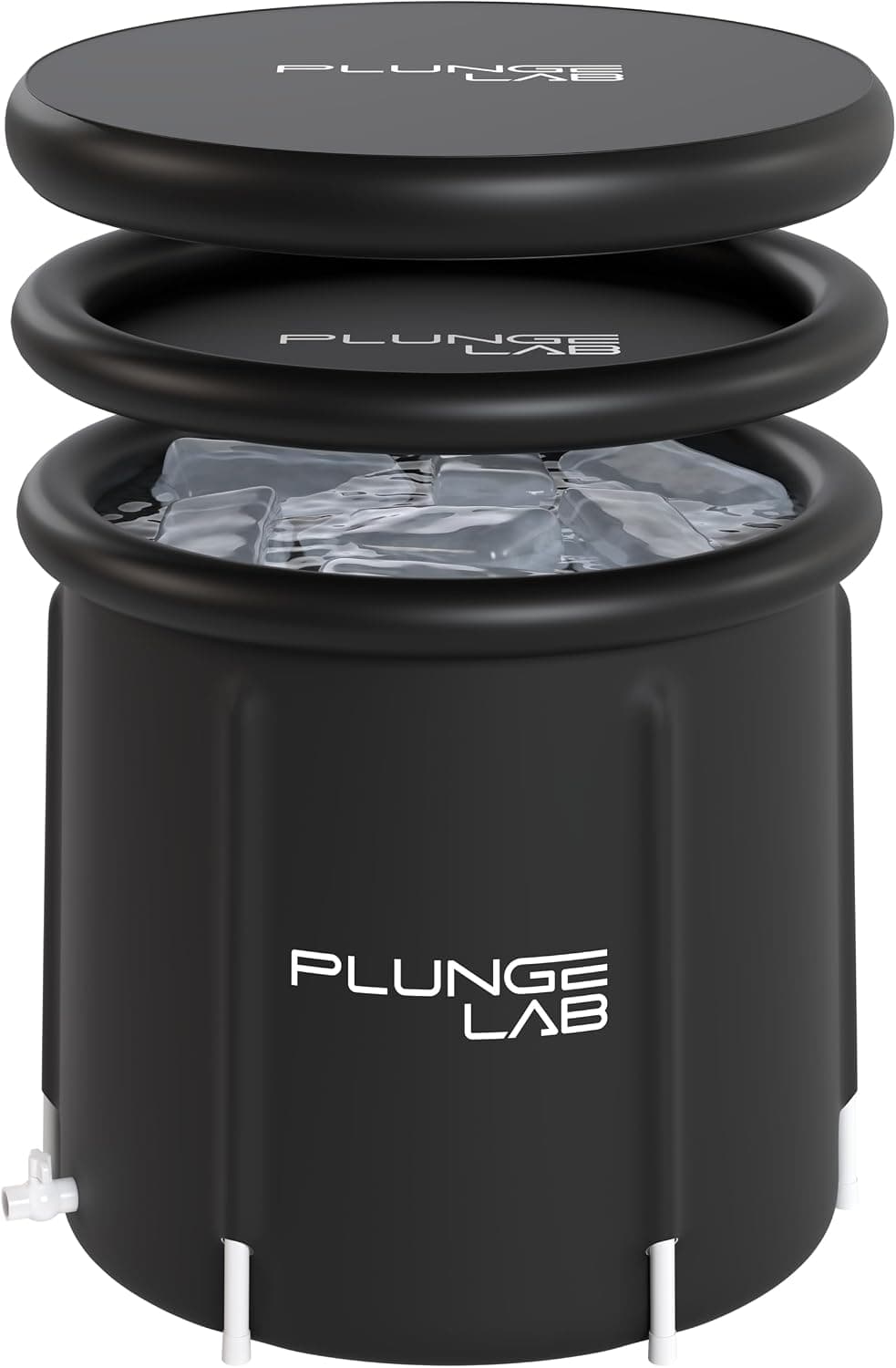
A home cold plunge holds the same water for days or weeks, and every session adds sweat, skin oils, lotions and dust. Cold temperatures slow bacterial growth but do not stop it, so water that looked clear on day one can turn cloudy, develop a film or start to smell. A simple maintenance routine keeps the water clean and the tub pleasant to use.
Why the water goes bad
Body oils, sunscreen, deodorant and dead skin cells feed bacteria and form a greasy film at the waterline. Leaves, insects and dust get into outdoor tubs, and warmer ambient temperatures between sessions speed up microbial growth.
Cloudiness often signals bacteria or fine particles suspended in the water, while a slimy feel on the walls usually means biofilm has started forming. A musty or sour smell is a clear sign the water needs treatment or changing.
Rinse off before plunging
The easiest way to keep water clean is to shower before every session, without applying lotion or oils afterward. This removes most of the sweat and skin products that would otherwise end up in the tub.
Keep a towel and a mat beside the plunge so feet stay clean on the way in. For outdoor tubs, rinse feet with a hose or a small bucket of water before stepping in.
Use filtration and a lid
Many chilled cold plunge systems include a filter and circulation pump. Run circulation as directed by the manufacturer, rinse or replace filter cartridges regularly and check that the water is actually moving through the filter.
A fitted, insulated lid keeps out debris and sunlight, which encourages algae, and helps the chiller maintain temperature. For simple ice bath tubs without filtration, covering the tub between sessions makes a large difference.
Sanitise according to the manufacturer
Chilled plunge units often support sanitising with ozone, UV systems or small doses of chlorine or bromine, and some recommend hydrogen peroxide. Follow the manufacturer's guidance closely, because the wrong chemical or dose can damage seals, pumps and chillers.
Test strips help you keep sanitiser levels and pH in the recommended range. Enzyme products designed for hot tubs can help break down oils at the waterline, but check they are approved for your system.
Know when to drain and scrub
Even with good care, the water eventually needs replacing. Simple tubs without filtration may need draining every few days of regular use, while filtered and sanitised systems can go several weeks, depending on how many people use them.
When draining, scrub the walls and waterline with a soft brush or non-abrasive sponge to remove biofilm, rinse thoroughly and refill. Replace water immediately if it looks murky, smells bad or anyone using the tub has open wounds or skin infections.