Contrast Therapy Explained
Published How we research
Contrast therapy alternates heat (which dilates blood vessels) and cold (which constricts them) to pump circulation and ease soreness. A simple protocol: 3-4 minutes hot, then about 1 minute cold, repeated 3-4 times, roughly a 3-4:1 heat-to-cold ratio. End on cold for alertness (good for mornings) or on heat for relaxation (good before bed). No special equipment is needed, alternating a hot and cold shower works. Anyone with heart conditions, high blood pressure, or circulation problems should consult a doctor first. Contrast therapy is the deliberate practice of alternating between hot and cold exposure in a single session, and it has been used by athletes and bathhouse cultures for generations. The idea is elegant: heat opens your blood vessels and cold constricts them, and cycling rapidly between the two creates a kind of pump that drives circulation. Where a sauna alone relaxes and a cold plunge alone energizes, contrast therapy blends the two into a single experience that many people find more satisfying and more effective than either extreme on its own.
Products from this article
The highest-scoring picks from the buying guides this article links to. Scores are our editorial assessment, not customer ratings.
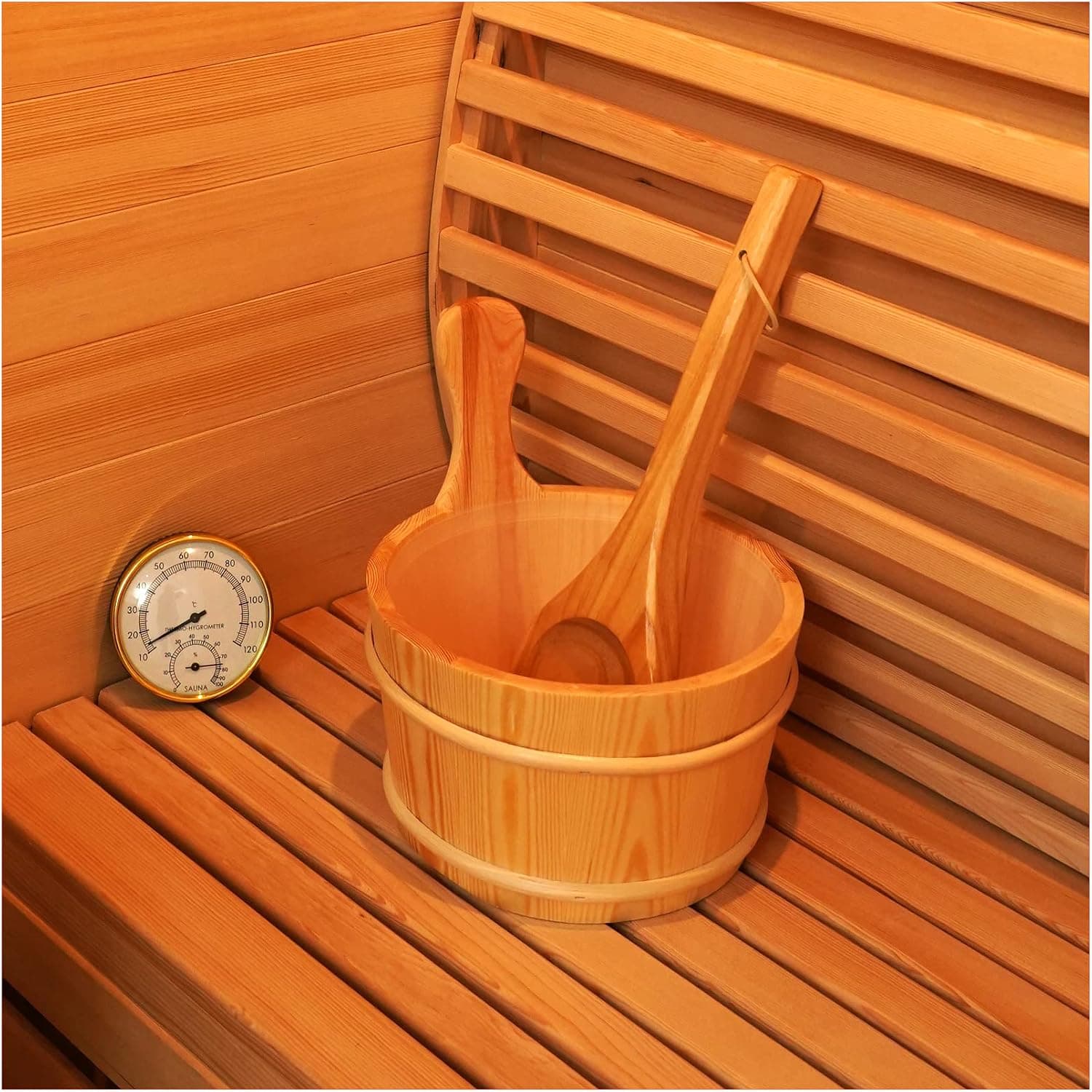
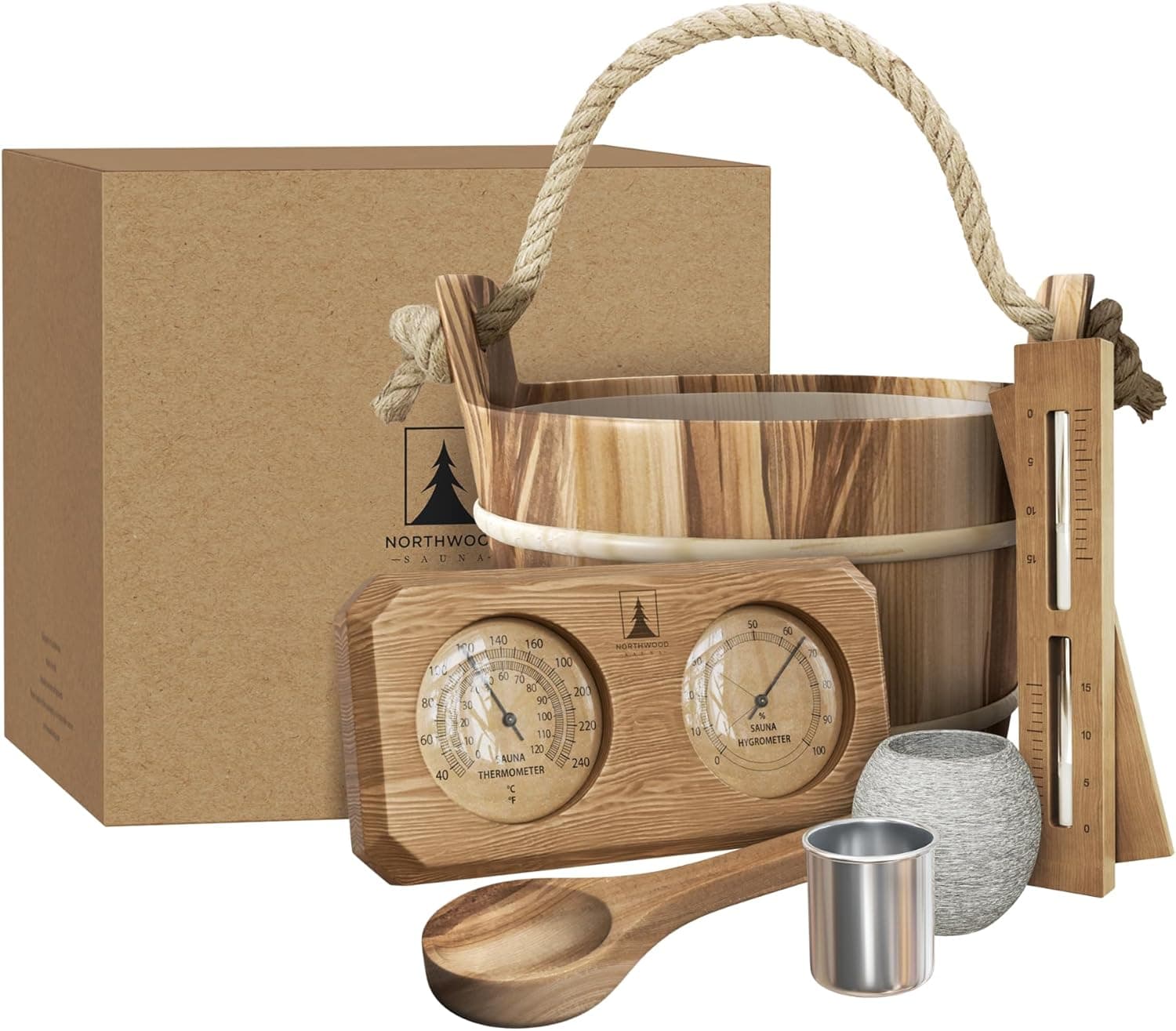
+ Hourglass included for timing rounds without electronics
From our guide: Best Sauna Accessories
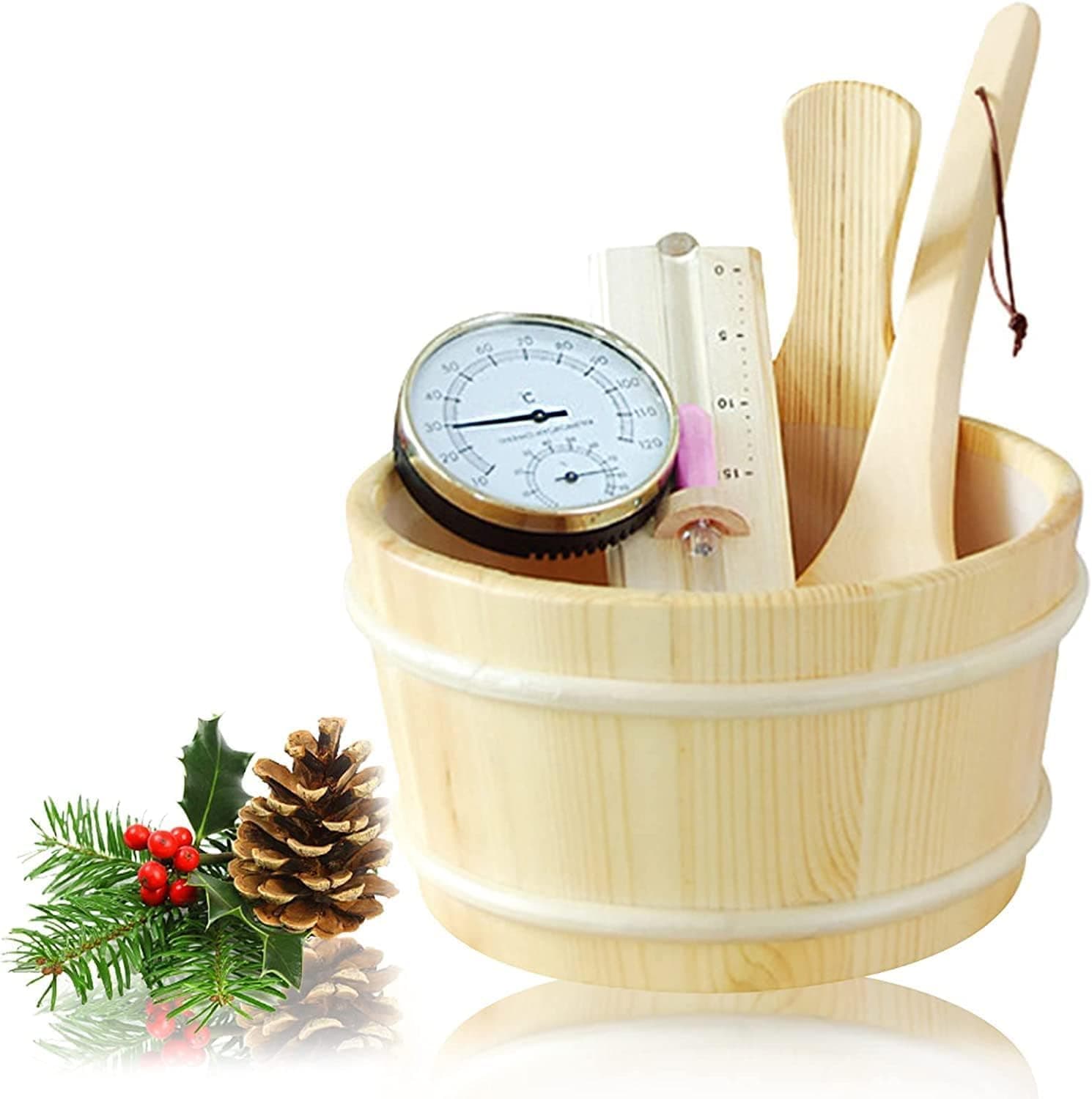
+ Harvia is a leading Finnish sauna heater maker
From our guide: Best Sauna Heaters of 2026: Electric and Wood-Burning Picks
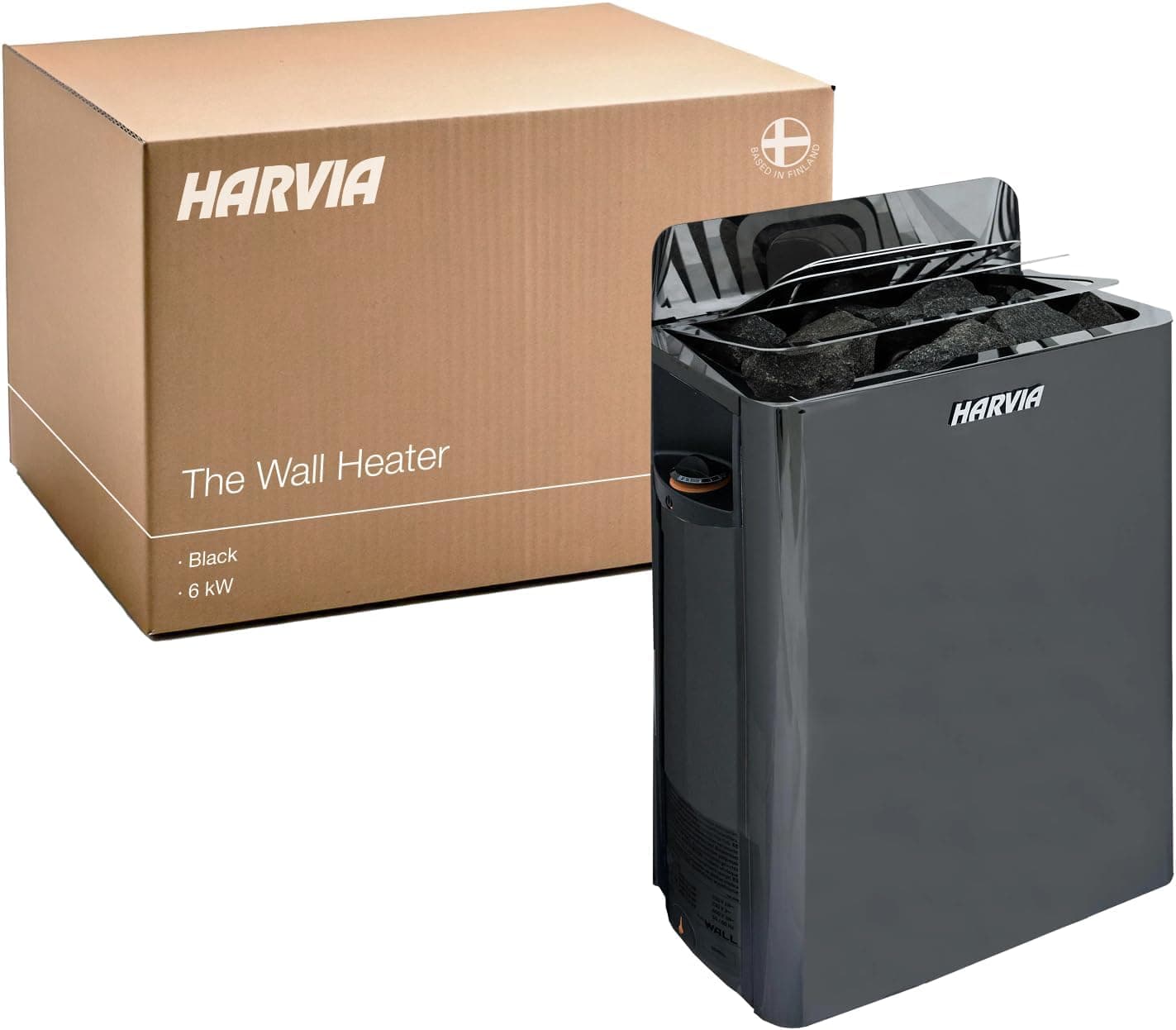
+ Large screen shows real-time water temperature, so you can see when the ice water needs refreshing
From our guide: Best Cryotherapy Devices
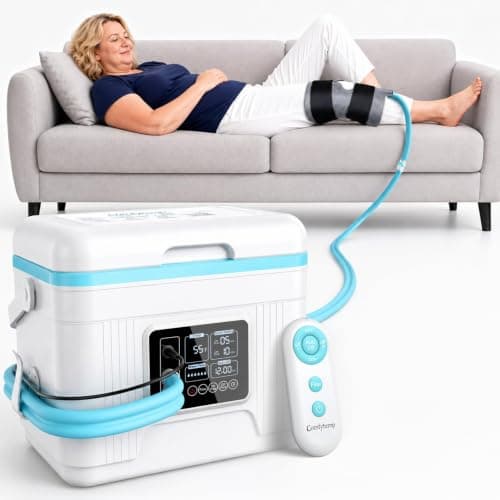
+ Aromatherapy cup lets you add scents to the water safely
From our guide: Best Sauna Accessories
The mechanism: vessels expanding and contracting
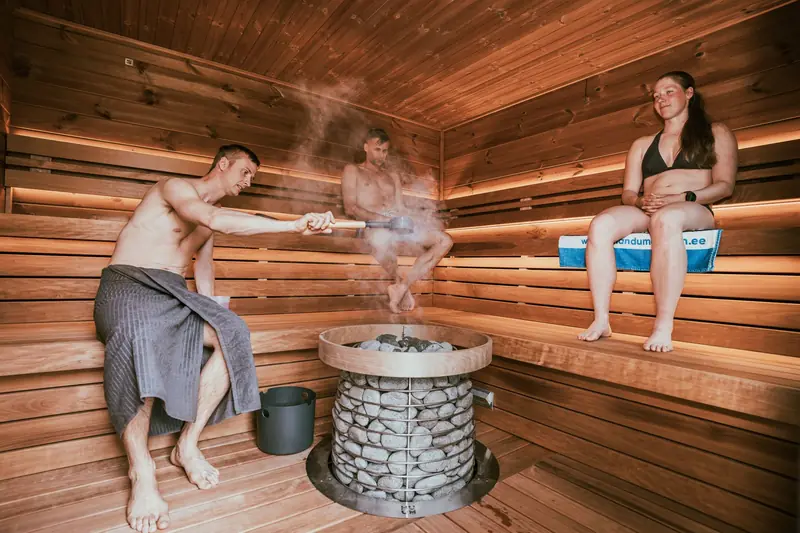
The mechanism rests on how your blood vessels respond to temperature. In the heat, vessels dilate and blood flows freely to the surface and the limbs. In the cold, they clamp down and blood retreats toward your core. Alternating between these states makes the vessels expand and contract in turn, which is thought to stimulate blood flow and help move fluid through tired tissue. Advocates use it to ease muscle soreness, reduce the feeling of stiffness, and speed the sense of bouncing back after hard training, and the alternating sensation itself tends to leave people feeling refreshed.
A simple protocol to follow
A simple protocol makes the practice easy to follow. Begin by warming up thoroughly, spending three to four minutes in a sauna, hot bath, or hot shower until you feel genuinely warm. Then switch to cold for around one minute, whether that is a plunge, a cold shower, or a cold bath. Return to the heat for another few minutes, then back to cold, and repeat the cycle three or four times. The classic ratio is roughly three or four parts heat to one part cold, though you can adjust it to your tolerance as you gain experience.
How you finish depends on your goal
How you finish depends on what you want from the session. Ending on cold tends to leave you alert and invigorated, which suits a morning session or a day when you need to feel switched on. Ending on heat leaves you relaxed and calm, which is a better fit before bed. There is no single correct order, so let your goal guide the final round. Many people keep the structure flexible, leaning toward a cold finish when they need energy and a warm finish when they want to wind down.
You do not need specialized equipment
You do not need specialized equipment to begin. A hot shower alternated with a cold shower delivers a genuine contrast effect and costs nothing extra. From there you can progress to a hot bath and a cold plunge, or use a gym sauna paired with a cold shower. The essential ingredients are simply a reliable source of heat and a reliable source of cold, plus the willingness to move between them several times. Access, not luxury, is what makes the practice work.
Safety at both ends of the temperature spectrum
Safety still applies at both ends of the spectrum. The rapid temperature swings place real demand on your cardiovascular system, so anyone with heart conditions, high blood pressure, or circulation problems should consult a doctor first. Ease into the cold rather than shocking yourself, keep your breathing slow and controlled throughout, and stop if you feel dizzy, faint, or unwell. Stay hydrated, since the heat makes you sweat, and build up gradually rather than attempting long or extreme sessions on your first try. Treated with respect, contrast therapy is a rewarding and repeatable way to bring the benefits of heat and cold together.
Frequently asked questions
What is contrast therapy? Deliberately alternating hot and cold exposure in one session, heat dilates blood vessels and cold constricts them, and cycling between the two is thought to stimulate circulation and ease soreness.
What is a good contrast therapy protocol for beginners? Warm up 3 to 4 minutes in a sauna or hot shower, switch to about 1 minute cold, then repeat the cycle 3 to 4 times, roughly a 3-4:1 ratio of heat to cold.
Should I end contrast therapy on hot or cold? Ending on cold leaves you alert and invigorated, good for mornings; ending on heat leaves you relaxed and calm, better before bed. Let your goal guide the final round.
Do I need a sauna and cold plunge for contrast therapy? No. A hot shower alternated with a cold shower delivers a genuine contrast effect at no extra cost, though you can progress to a sauna and cold plunge or bath.
Popular right now
- Best Massage SticksBuying guide
- Best Muscle StimulatorsBuying guide
- Best Back StretchersBuying guide
- Compression Boots ExplainedArticle
- Why You Feel Sore or Bruised After Foam RollingArticle
- EMS (electrical muscle stimulation) explainedGlossary
Based on the last 28 days of search and visitor data.