Foam Rolling Basics
Published How we research
Foam rolling is one of the most accessible recovery tools available, requiring nothing more than a cylinder of dense foam and a few minutes of your time. Often described as self-myofascial release, it involves using your own body weight to apply pressure to muscles and the connective tissue around them. The practice can ease tightness, improve how freely you move, and leave muscles feeling looser before or after exercise. Its low cost and simplicity make it a natural first purchase for anyone building a recovery habit, and it pairs well with almost every other method.
Products from this article
The highest-scoring picks from the buying guides this article links to. Scores are our editorial assessment, not customer ratings.
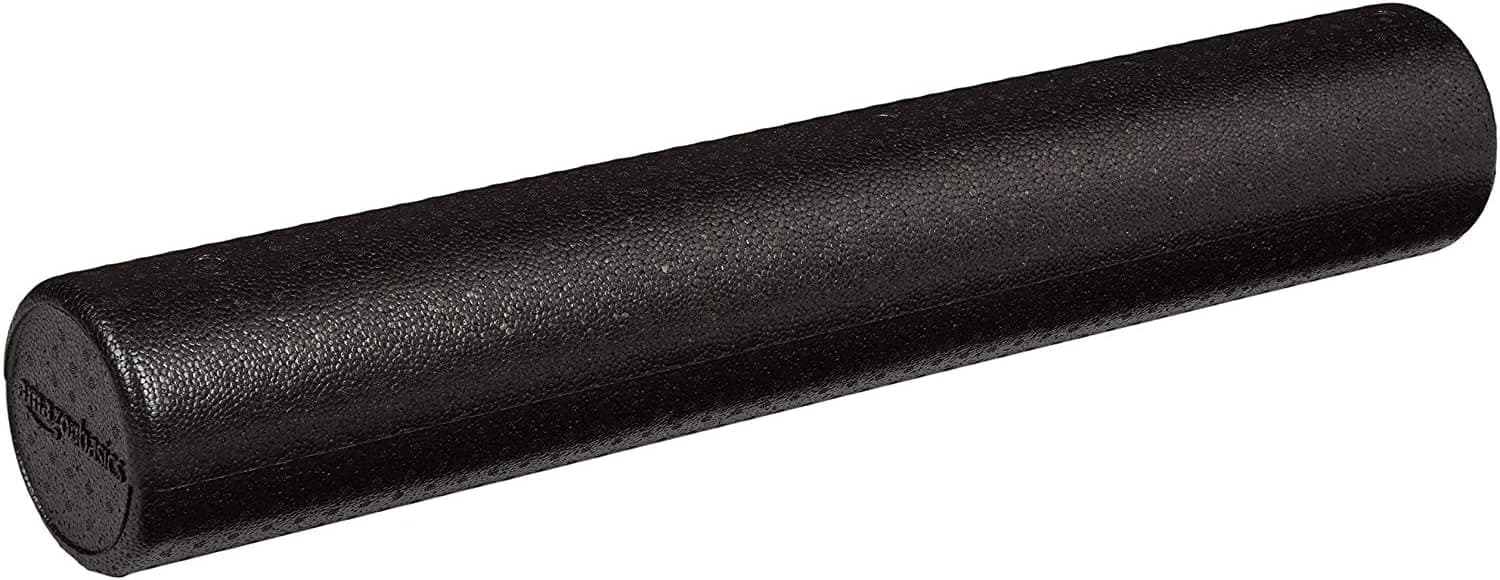
+ 36 Inches length lets you roll along the spine lengthwise
From our guide: Best Foam Rollers
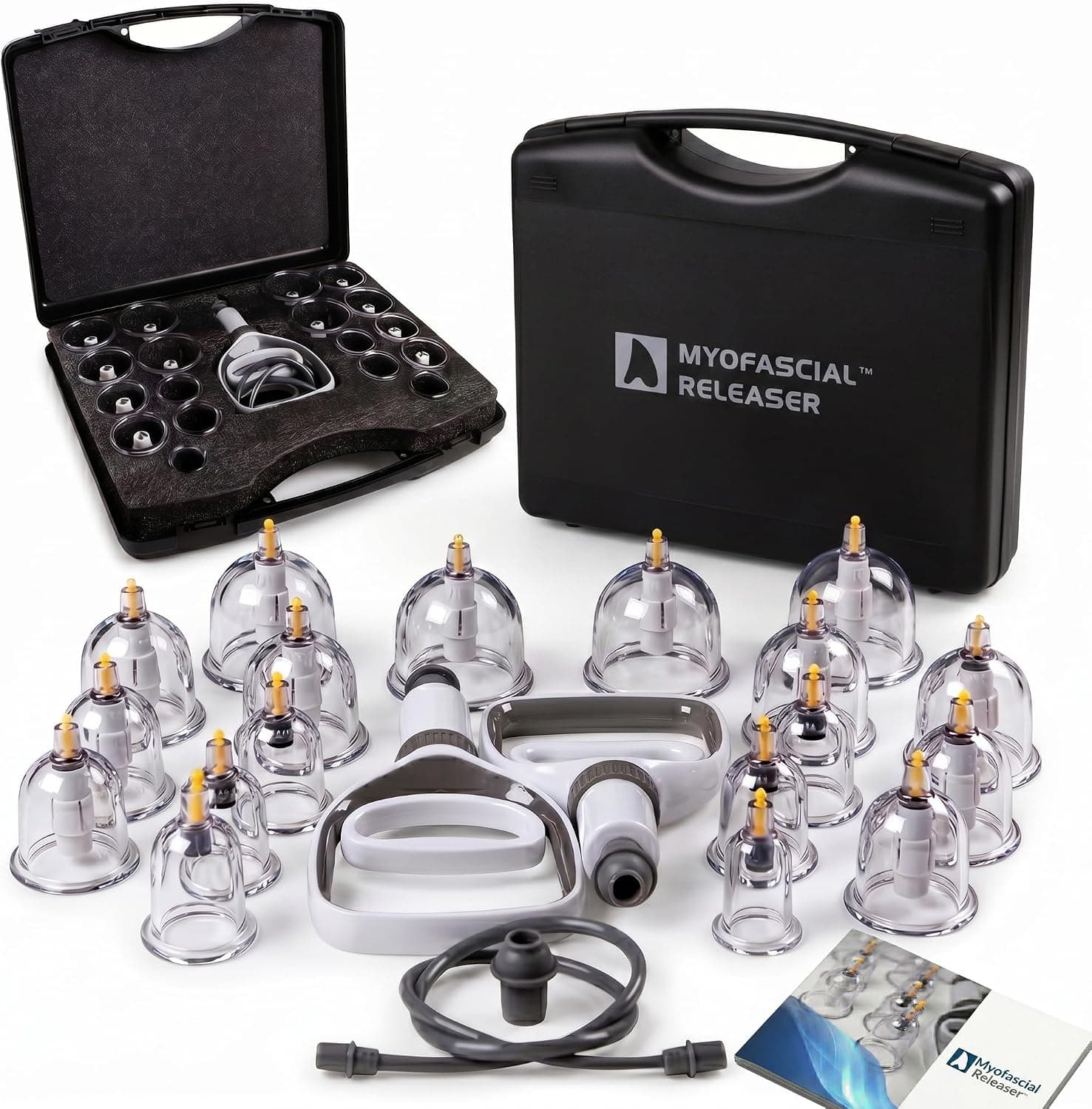
+ 18 Cups give a range of sizes for back, legs and shoulders
From our guide: Best Massage Cupping Sets of 2026: Silicone and Suction Kits
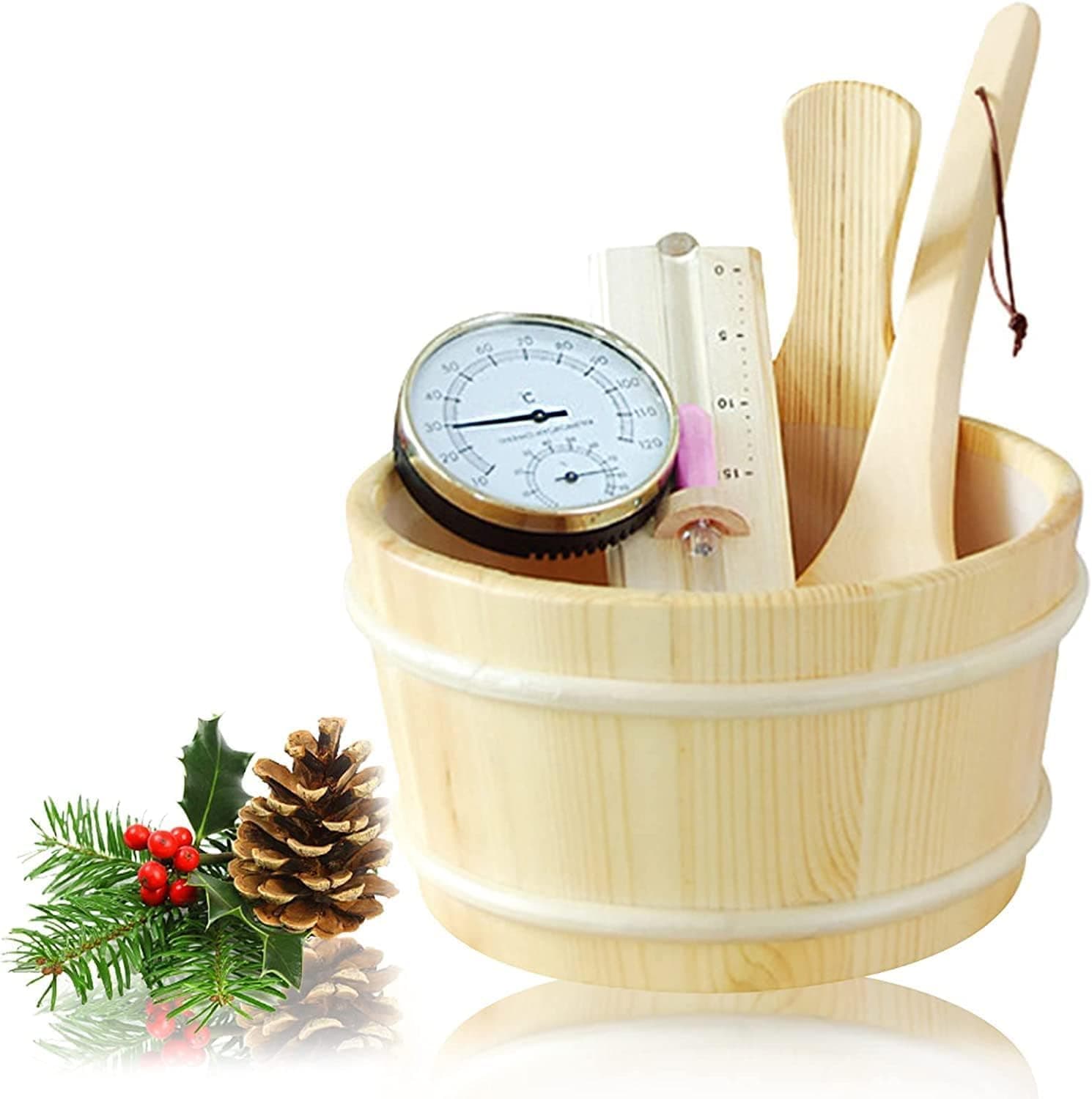
+ Hourglass included for timing rounds without electronics
From our guide: Best Sauna Accessories
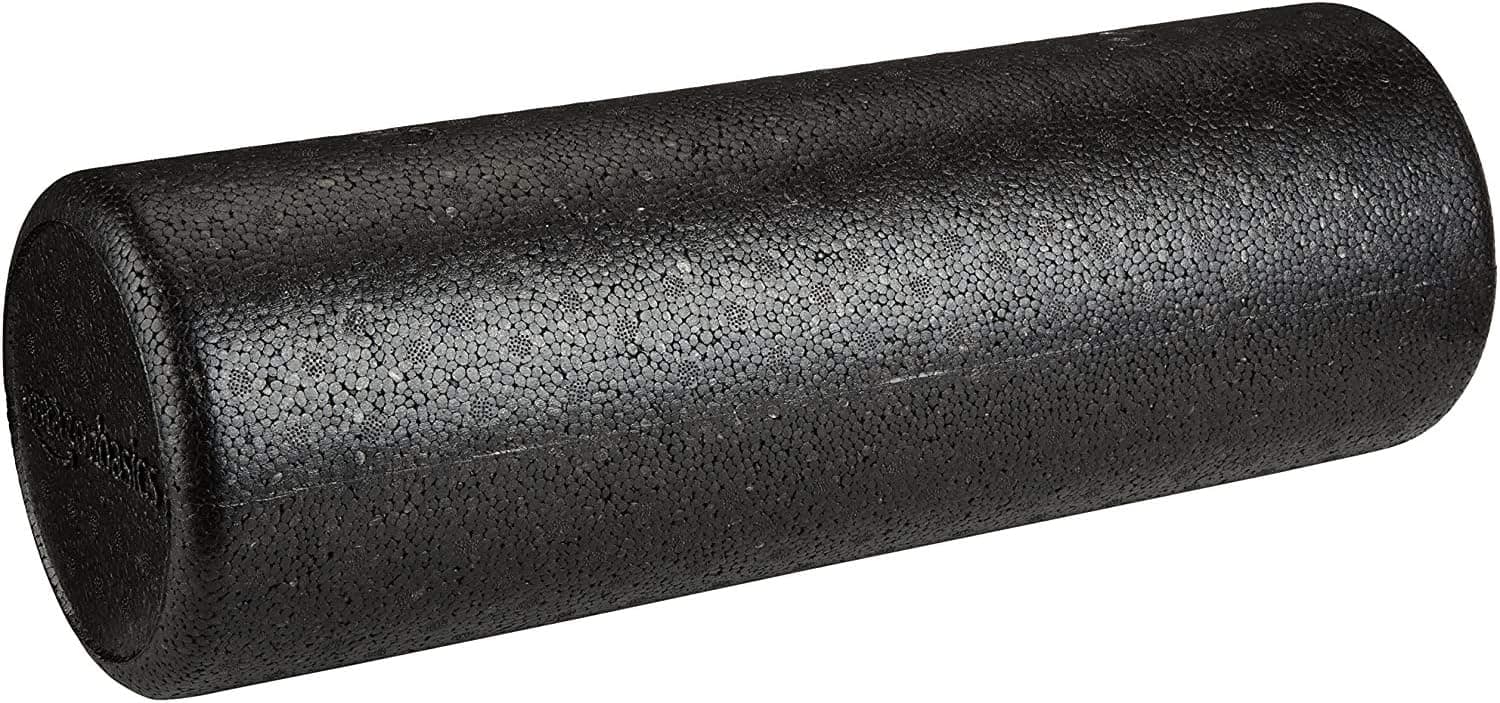
+ 18 Inches size is easier to store and travel with than long rollers
From our guide: Best Foam Rollers
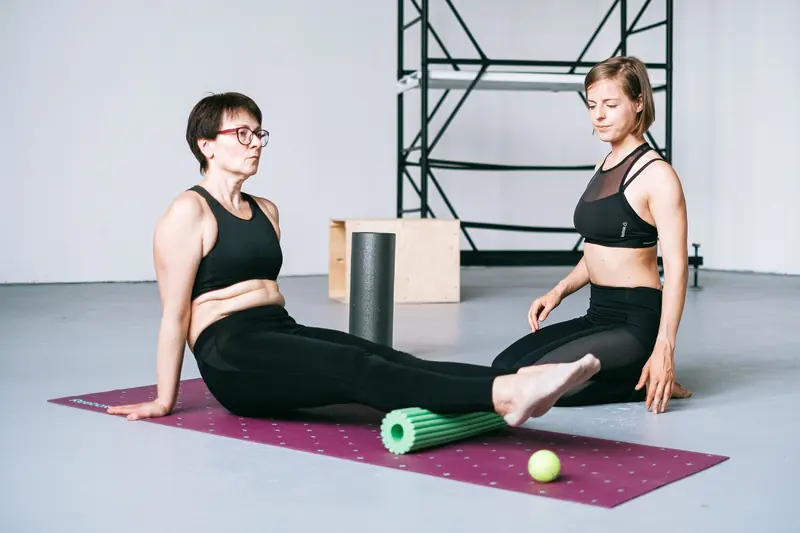
The technique is straightforward but rewards patience. Position the roller under the muscle you want to target, support your body weight with your hands or free leg, and roll slowly along the length of the muscle. Aim for a pace of roughly a couple of centimeters per second rather than racing back and forth. When you find a tender spot, pause and hold steady pressure on it for 20 to 30 seconds, breathing slowly until the tension begins to ease. This deliberate, unhurried approach is far more effective than fast rolling, which skims over the tissue without giving it time to release.
Some muscle groups respond especially well and are a good place to start. The calves, quads, hamstrings, and the large glute muscles all take pressure comfortably and are easy to position over the roller. The upper back responds well too, though you should keep the roller on the muscles beside the spine rather than the bony spine itself. The iliotibial band area on the outer thigh is popular but notoriously sensitive, so approach it gently. As you learn your own body, you will discover which areas hold the most tension and deserve regular attention.
Timing determines what foam rolling does for you. Before a workout, brief rolling of a minute or so per muscle can improve blood flow and range of motion, priming your body to move without the drop in power that prolonged static stretching can cause. After a workout or on a rest day, slower and slightly longer rolling helps muscles unwind and may reduce the soreness that appears a day or two later. Many people use it at both ends: a quick pass to warm up and a more relaxed session to cool down.
Beginners tend to make a few predictable mistakes. The most common is pressing too hard too soon, in the belief that more pain means more benefit. Foam rolling should feel like firm, tolerable pressure, not sharp agony that makes you hold your breath. Rolling too fast is another frequent error, as is rolling directly over joints, bones, or an injured area, all of which you should avoid. Never roll a joint like the knee or a lower back that is already painful, and back off anything that produces sharp or radiating discomfort.
Start with a medium-density roller rather than the firmest one available, since an overly aggressive roller can put beginners off entirely. A smooth roller is gentler than a textured one, making it a friendlier choice while you build tolerance. Spend five to ten minutes on the muscles you have worked, keep your breathing relaxed, and stay consistent; a few minutes most days will teach you more than an occasional marathon session. Approached with a slow pace, sensible pressure, and respect for the areas to avoid, foam rolling becomes a simple daily habit that keeps your muscles feeling loose and ready.
Popular right now
- Best Massage SticksBuying guide
- Best Muscle StimulatorsBuying guide
- Best Back StretchersBuying guide
- Compression Boots ExplainedArticle
- Why You Feel Sore or Bruised After Foam RollingArticle
- EMS (electrical muscle stimulation) explainedGlossary
Based on the last 28 days of search and visitor data.