Heat vs Cold Therapy
Published How we research
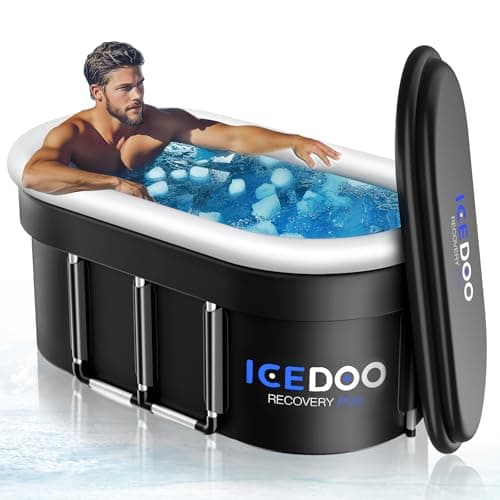
Heat and cold are two of the oldest and simplest recovery tools we have, and both are as close as your bathroom or freezer. The trick is knowing which one to reach for and when. While they can feel like opposites, each has its own strengths, and understanding how they make you feel helps you use them to your advantage in everyday recovery.
Products from this article
The highest-scoring picks from the buying guides this article links to. Scores are our editorial assessment, not customer ratings.
+ Fully insulated rigid body is built to hold temperature longer between sessions
From our guide: Best Ice Bath Tubs
+ Large screen shows real-time water temperature, so you can see when the ice water needs refreshing
From our guide: Best Cryotherapy Devices
+ 2 Pack lets one wrap chill in the freezer while you wear the other
From our guide: Best Cold Therapy Wraps
+ Rigid LLDPE plastic body, which the maker contrasts with inflatable tubs that can pop and foldable tubs that can break
From our guide: Best Ice Bath Tubs
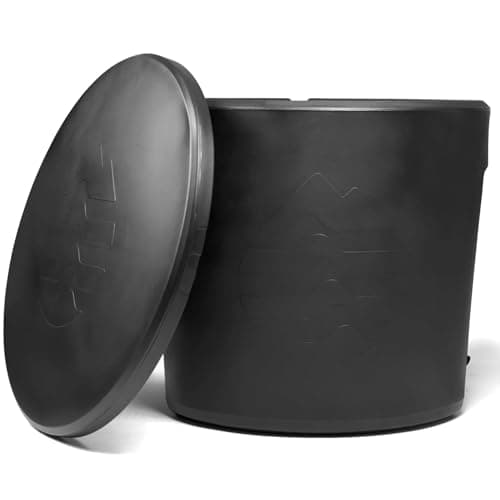
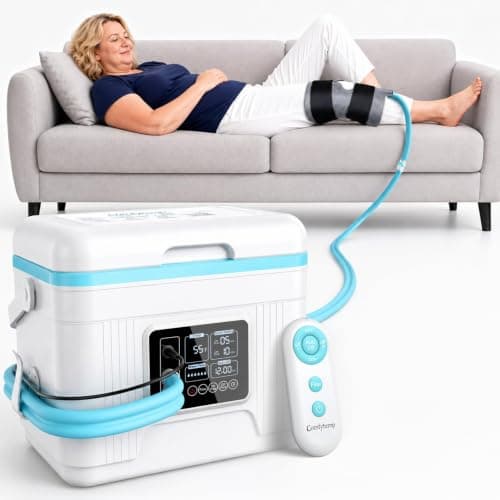

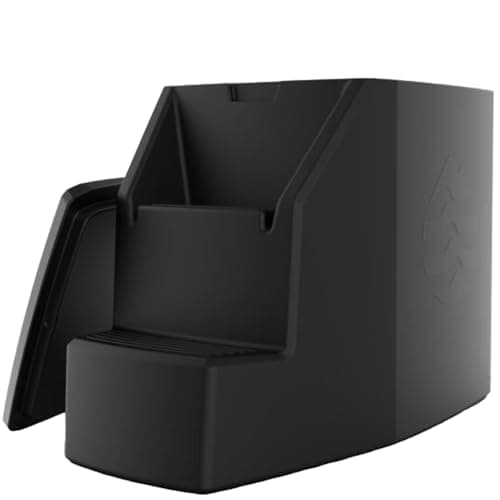
Cold therapy, whether a cold plunge, an ice pack, or a cold shower, is prized for its refreshing, invigorating effect. Many people turn to cold after intense exercise because it leaves them feeling energized and can make sore areas feel calmer and more comfortable. The cold has a bracing quality that a lot of athletes appreciate right after a hard effort, and it doubles as a mental reset.
Heat therapy works in the opposite direction, wrapping you in warmth that encourages your muscles to relax and loosen. A sauna, a warm bath, or a heating pad can leave you feeling soothed and limber, which is why heat is such a comforting choice for general stiffness and tension. That melting, loosening sensation is the signature of heat, and it pairs beautifully with winding down.
As a rough guide, many people reach for cold when they want to feel refreshed and calm a specific sore area, and for heat when they want to relax tight, stiff muscles and unwind. Cold tends to feel bracing and energizing, while heat tends to feel soothing and loosening. Neither is universally better, they simply serve different moods and moments in your routine.
Some people love combining the two, alternating between warm and cool for a contrast experience. Moving from a warm sauna to a cool shower or plunge and back again is a popular ritual that leaves many feeling thoroughly reset. If you enjoy the sensation, contrast sessions can be a fun and refreshing way to cap off a training day, as long as you keep each exposure comfortable.
The right choice often comes down to what feels good to you in the moment. Recovery is personal, and your own preferences are a legitimate guide. If a warm bath after a run leaves you feeling wonderful, that is a perfectly valid recovery choice. If a cold shower is what makes you feel alive and ready, lean into that. Experiment and pay attention to how your body responds.
A few safety notes apply to both. Never apply extreme heat or cold directly to your skin for too long, always use a barrier with ice packs, and keep sessions to comfortable durations. Avoid heat or cold over fresh injuries without guidance, and if you have circulation issues, heart concerns, or other medical conditions, check with your doctor first. Used sensibly, heat and cold are simple, satisfying tools that make recovery feel like a treat.
Popular right now
- Best Massage SticksBuying guide
- Best Muscle StimulatorsBuying guide
- Best Back StretchersBuying guide
- Compression Boots ExplainedArticle
- Why You Feel Sore or Bruised After Foam RollingArticle
- EMS (electrical muscle stimulation) explainedGlossary
Based on the last 28 days of search and visitor data.