How to Improve Sleep for Recovery
Published How we research
Of all the recovery tools available to you, sleep is the most powerful, the most overlooked, and the only one that is completely free. No plunge, sauna, or massage gun can make up for a string of poor nights. If you want to feel better, train harder, and recover faster, building better sleep habits is the highest-return change you can make, and the good news is that most of it comes down to simple, repeatable behaviors.
Products from this article
The highest-scoring picks from the buying guides this article links to. Scores are our editorial assessment, not customer ratings.
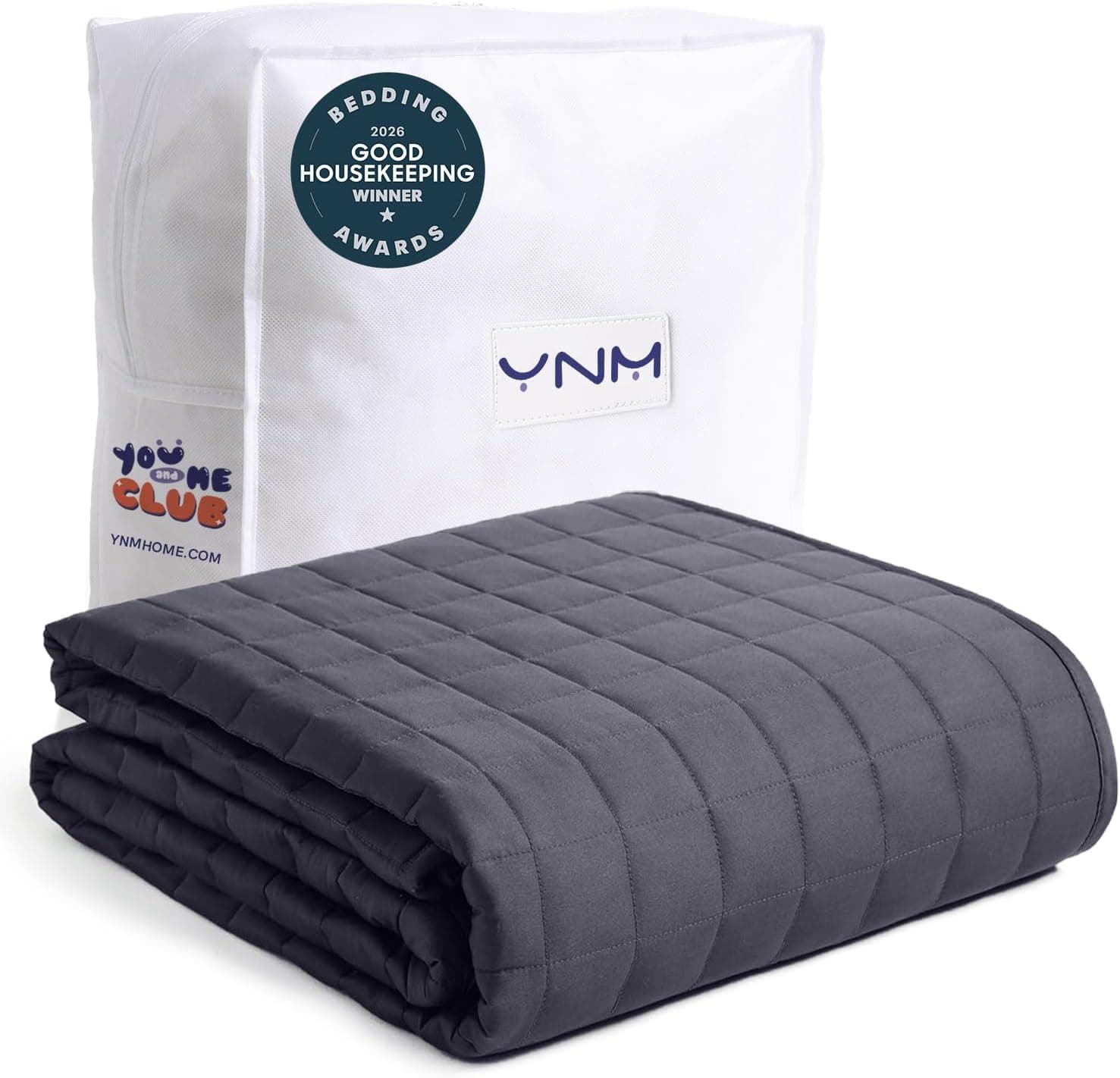
+ 15lbs weight suits many adults for a snug, calm feel
From our guide: Best Weighted Blankets
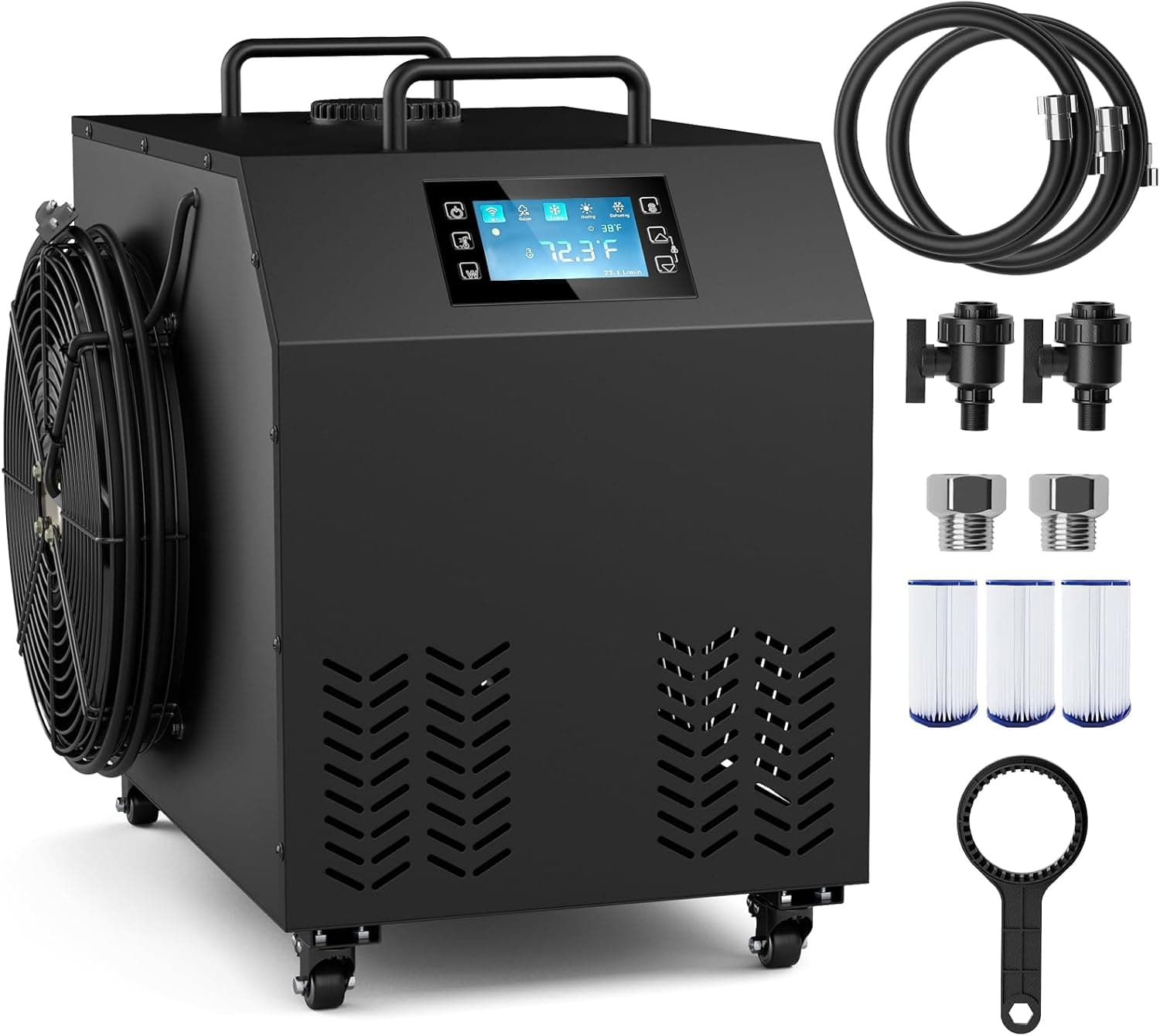
+ 1HP cooling handles bigger tubs and warm climates better than 1/3 HP units
From our guide: Best Cold Plunge Chillers
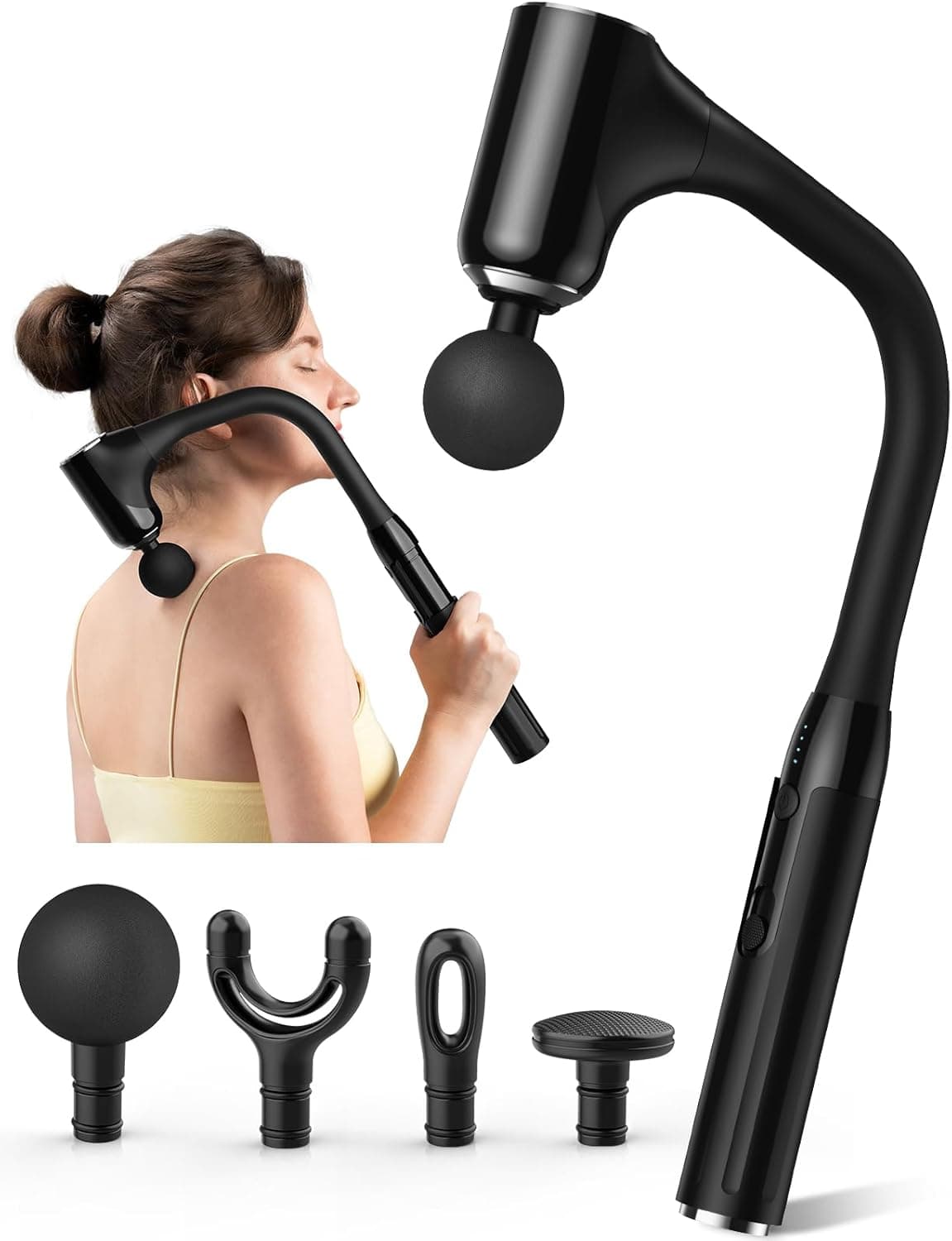
+ Extended handle helps reach your own back and shoulders
From our guide: Best Massage Guns
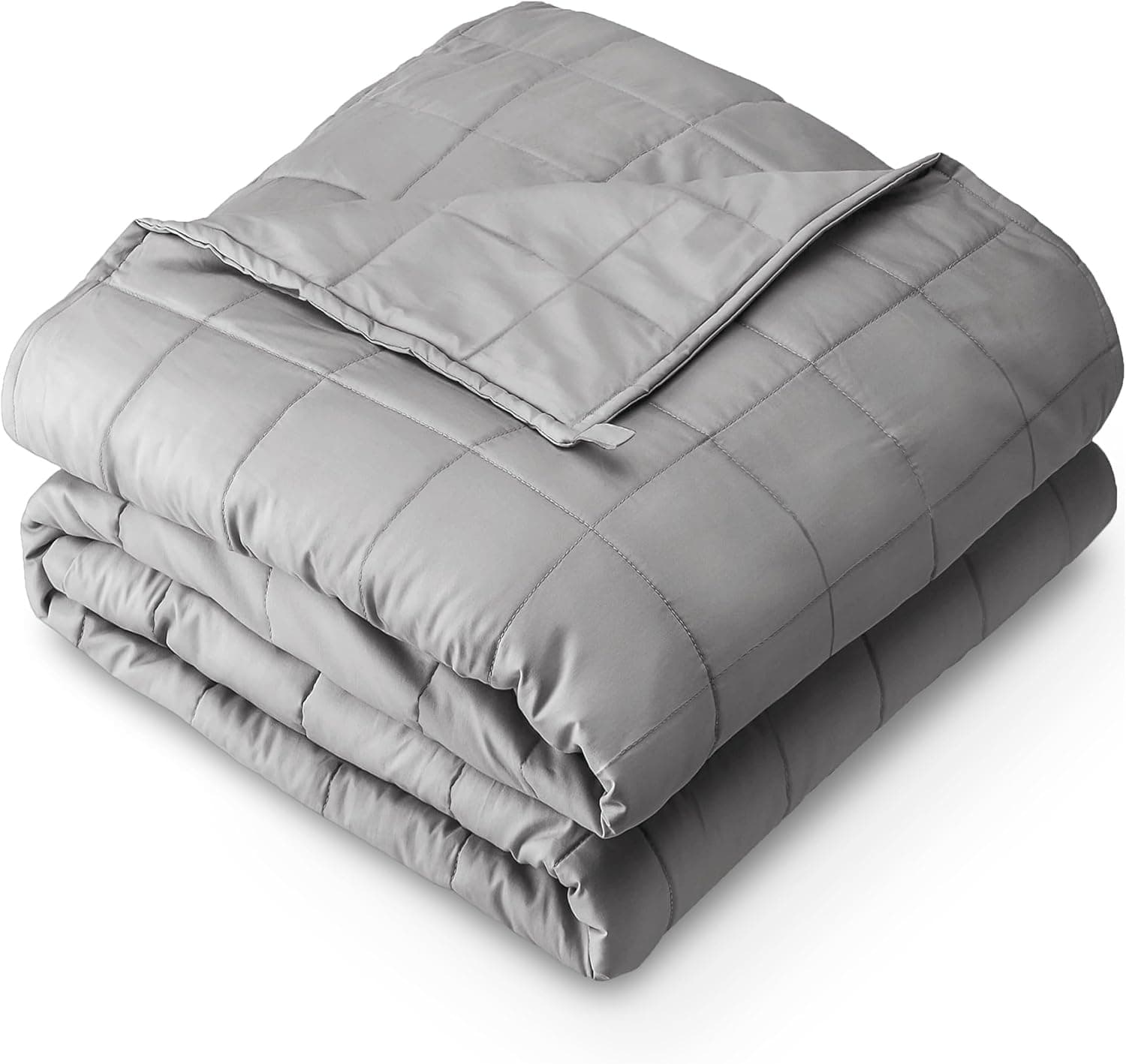
+ 100% Cotton shell is breathable and natural against the skin
From our guide: Best Weighted Blankets

Start with consistency, because your body thrives on rhythm. Going to bed and waking up at roughly the same times every day, including weekends, helps your internal clock settle into a reliable pattern. A steady schedule makes it easier to fall asleep at night and wake up feeling rested, and it is arguably the single most impactful sleep habit you can adopt. Pick a realistic window and protect it.
Your environment matters more than most people realize. A cool, dark, quiet room sets the stage for deep, uninterrupted sleep. Blackout curtains or an eye mask block stray light, a fan or earplugs handle noise, and a slightly cooler temperature helps your body wind down. Small investments in your sleep space tend to pay off night after night, so treat your bedroom as a recovery zone rather than a second living room.
What you do in the hour before bed shapes how quickly you drift off. Bright screens and stimulating activity can make it harder to settle, so aim to dim the lights and step away from your phone as bedtime approaches. Building a simple wind-down routine, whether that is reading, light stretching, or a warm shower, signals to your body that the day is ending and sleep is coming.
What you consume plays a role too. Caffeine lingers in your system for hours, so cutting it off in the early afternoon helps many people fall asleep more easily. Large meals and alcohol close to bedtime can disrupt sleep quality even when they seem to help you nod off. Being mindful of timing here removes some of the most common hidden obstacles to a good night.
Daytime habits influence nighttime rest as well. Getting natural light early in the day helps anchor your internal clock, and regular physical activity generally supports deeper sleep, as long as intense exercise is not done too close to bedtime. Managing stress through whatever calming practice works for you also makes it easier to quiet your mind when your head hits the pillow.
Finally, be patient and consistent rather than chasing a perfect night. Sleep improves gradually as good habits accumulate, so give any change a couple of weeks before judging it. If you consistently struggle with sleep despite solid habits, or if you suspect a sleep disorder, it is worth talking with a healthcare professional. Protect your sleep, and every other part of your recovery routine works better.
Popular right now
- Best Massage SticksBuying guide
- Best Muscle StimulatorsBuying guide
- Best Back StretchersBuying guide
- Compression Boots ExplainedArticle
- Why You Feel Sore or Bruised After Foam RollingArticle
- EMS (electrical muscle stimulation) explainedGlossary
Based on the last 28 days of search and visitor data.