Mobility Work Basics
Published How we research
Mobility work has quietly become one of the most valuable and least glamorous parts of a good recovery routine. At its core, mobility is your ability to move a joint actively through its full range of motion with control. It is not the same as being flexible, and understanding that distinction is the first step to using it well. A few minutes of focused mobility work most days can leave you moving more freely, feeling less stiff, and lowering your risk of the nagging injuries that come from restricted, compensated movement.
Products from this article
The highest-scoring picks from the buying guides this article links to. Scores are our editorial assessment, not customer ratings.
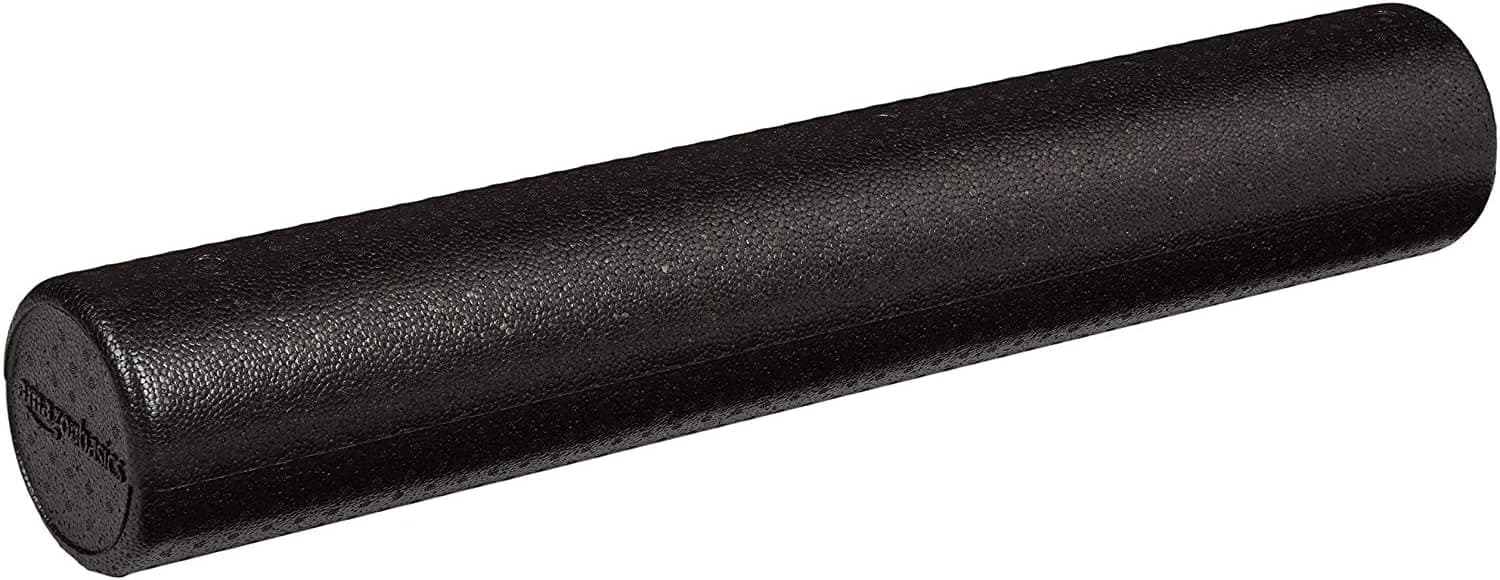
+ 36 Inches length lets you roll along the spine lengthwise
From our guide: Best Foam Rollers
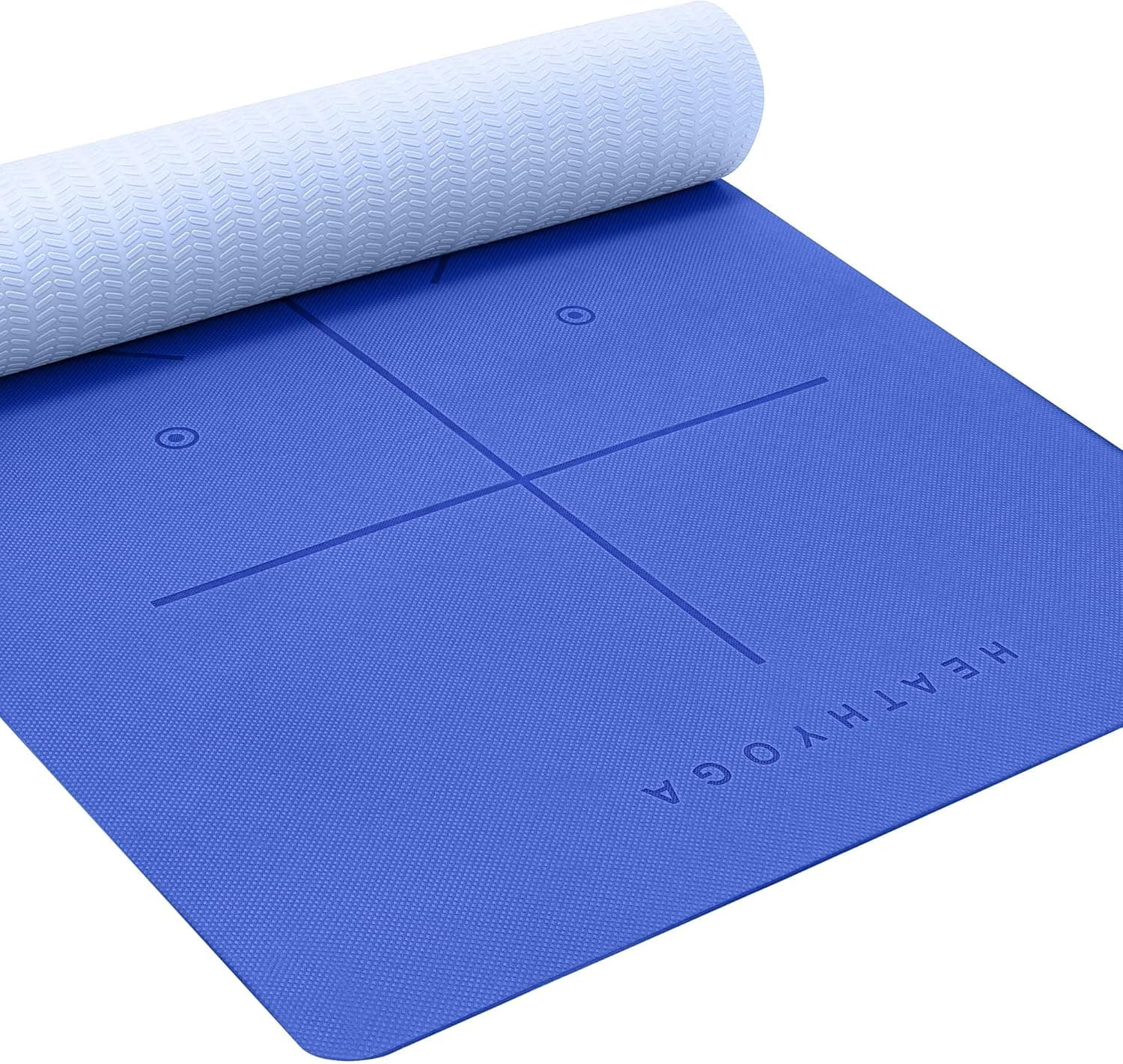
+ Body Alignment System lines help place hands and feet evenly
From our guide: Best Yoga Mats for Recovery
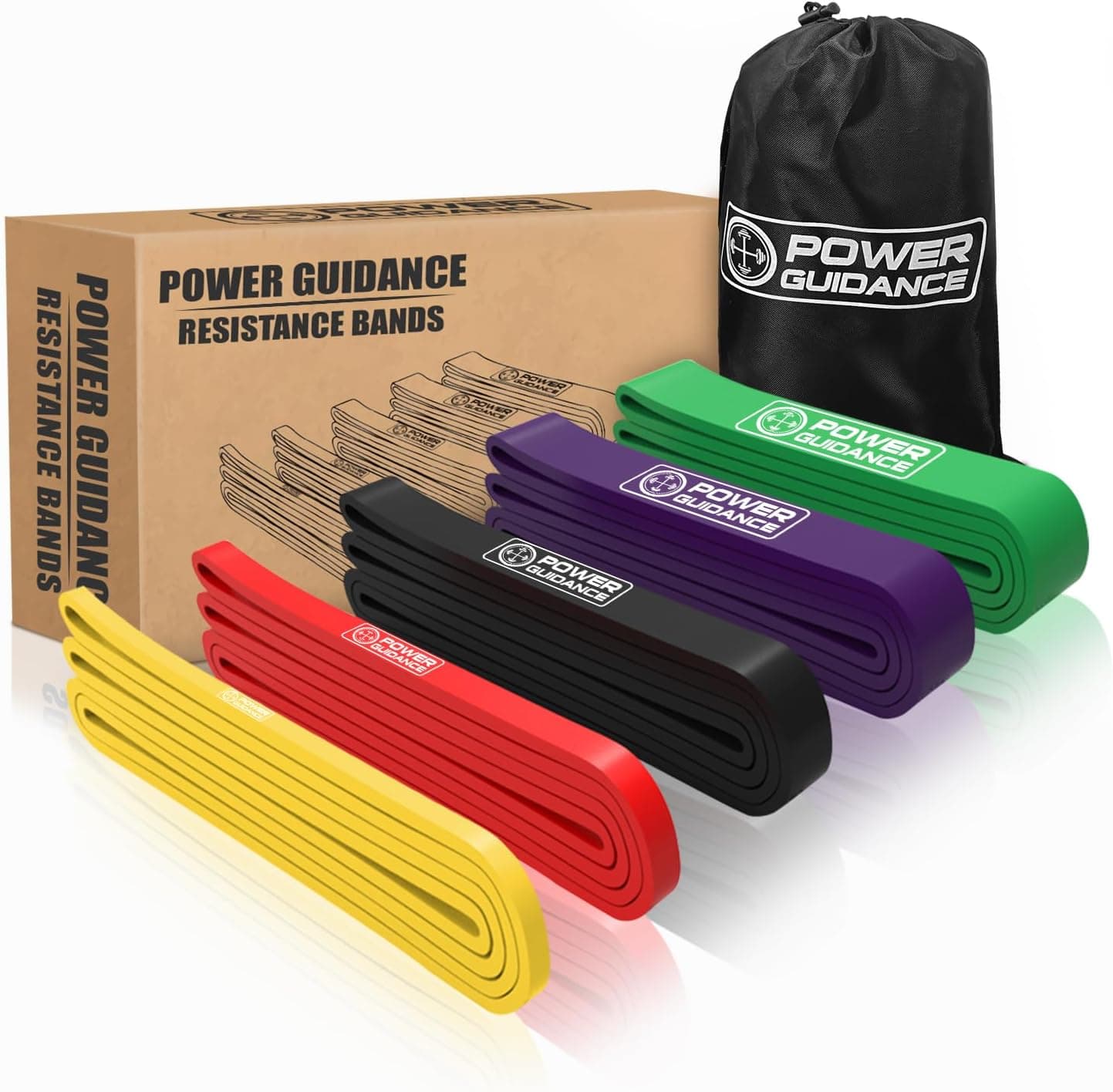
+ Set of 5 covers light stretching through heavy pull up assistance
From our guide: Best Mobility Bands
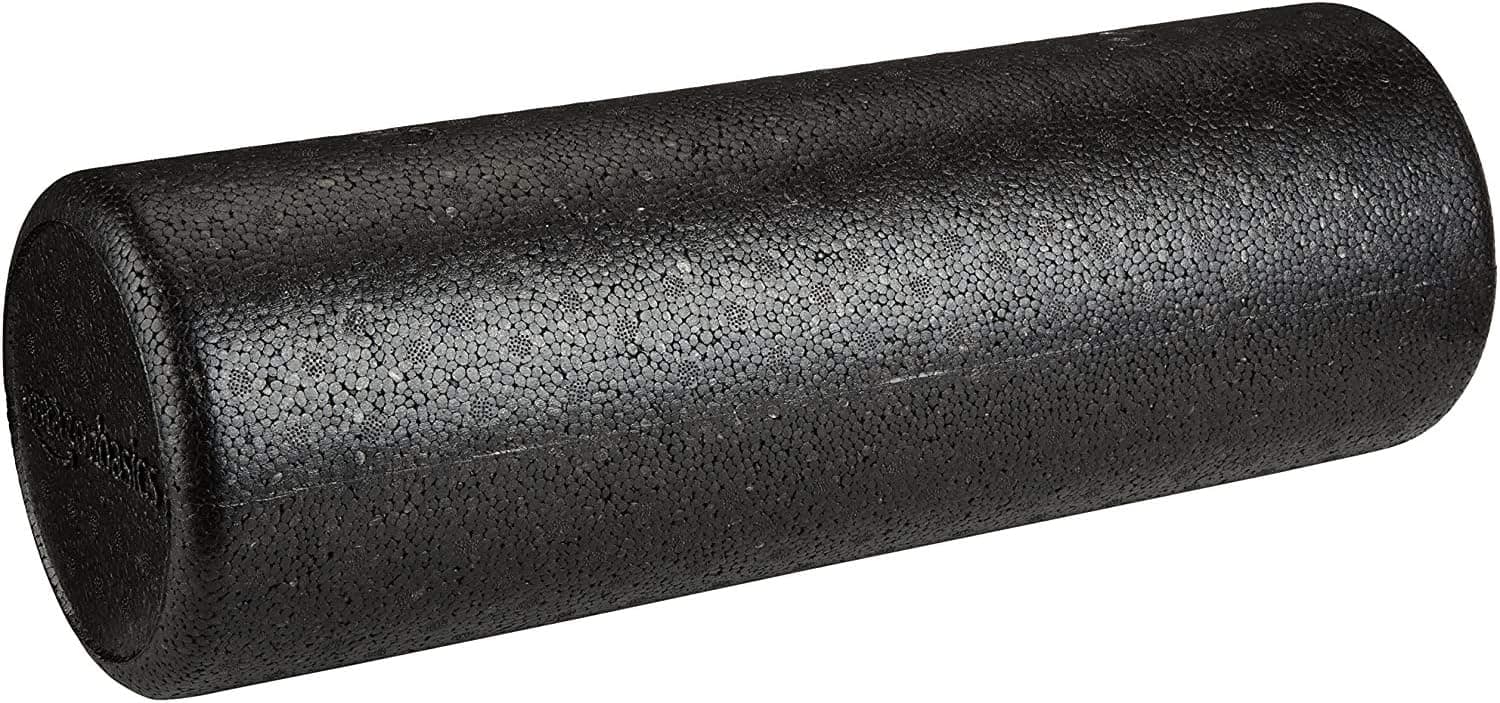
+ 18 Inches size is easier to store and travel with than long rollers
From our guide: Best Foam Rollers
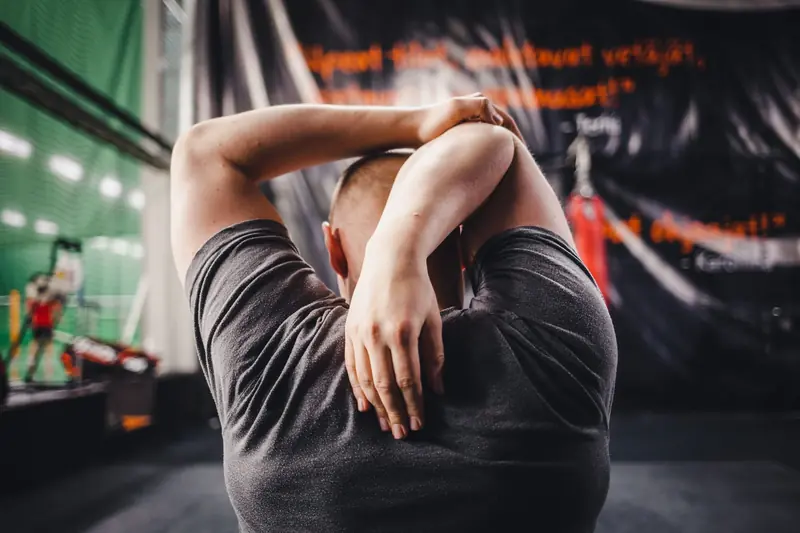
The difference between mobility and flexibility trips up a lot of people. Flexibility is the passive length a muscle can reach, such as how far you can fold forward when something else pulls you into the stretch. Mobility is active: it is how much usable range you can produce and control yourself, driven by your own muscles. You can be flexible yet lack mobility if you cannot actively access or control that range. Because sport and daily life demand active, controlled movement, mobility is often the more practical quality to train, and it tends to translate more directly into moving and feeling better.
Why it matters for recovery becomes clear once you consider what stiffness does. Tight, restricted joints force the body to compensate, loading tissues in ways they were not meant to handle and setting the stage for strain. Good mobility lets you move through exercises with proper form, reduces the sense of stiffness after hard training, and helps you recover positions and postures that sitting and repetitive movement tend to erode. Working on mobility on your recovery days keeps your joints healthy and your movement smooth, which pays off both in training and in ordinary life.
A handful of simple areas deserve regular attention for most people. The hips, which stiffen easily from prolonged sitting, respond well to gentle controlled circles and deep supported squats. The thoracic spine, the upper and mid back, benefits from rotation drills that counter a hunched posture. The ankles, often overlooked, need mobility for squatting and running, and simple movements that drive the knee forward over the toes help restore it. The shoulders round out the list, responding to slow controlled circles and reaches. You do not need dozens of exercises; a few well-chosen drills for these areas cover most needs.
The way you perform mobility work matters as much as the drills themselves. Move slowly and with control, exploring the range rather than bouncing or forcing it. Focus on actively producing the movement with your own muscles rather than relying on momentum or gravity to yank you into position. Breathe steadily throughout, and think about quality over quantity: a handful of deliberate, controlled repetitions beats many rushed ones. This is not a workout to be pushed through but a practice to be performed with attention, which is part of why it fits so naturally on recovery days.
Consistency is what turns mobility work into results. Five to ten minutes most days will do far more than a long occasional session, and because the drills are gentle you can do them almost anywhere, including as part of a warm-up or while winding down in the evening. Never force a joint into pain, back off anything that feels sharp, and give stiff areas the patient, repeated attention they need to change. Woven into your routine this way, mobility work becomes a quiet daily habit that keeps you moving well, recovering faster, and staying resilient for the long run.
Popular right now
- Best Massage SticksBuying guide
- Best Muscle StimulatorsBuying guide
- Best Back StretchersBuying guide
- Compression Boots ExplainedArticle
- Why You Feel Sore or Bruised After Foam RollingArticle
- EMS (electrical muscle stimulation) explainedGlossary
Based on the last 28 days of search and visitor data.