How to Use an Outdoor Cold Plunge Safely in Winter
In winter, an outdoor cold plunge can get cold enough without a chiller or ice, which makes the season appealing for enthusiasts. Freezing temperatures also bring new challenges: ice forming on the surface, pipes and pumps that can crack, slippery steps and air temperatures that make the whole session harder on the body. Planning ahead keeps both you and your equipment safe.
Water can get colder than you expect
In summer, a chiller controls water temperature. In winter, outdoor water can drop close to freezing, which is much colder than many people are used to. Colder water intensifies the cold shock response, including rapid breathing and a spike in heart rate.
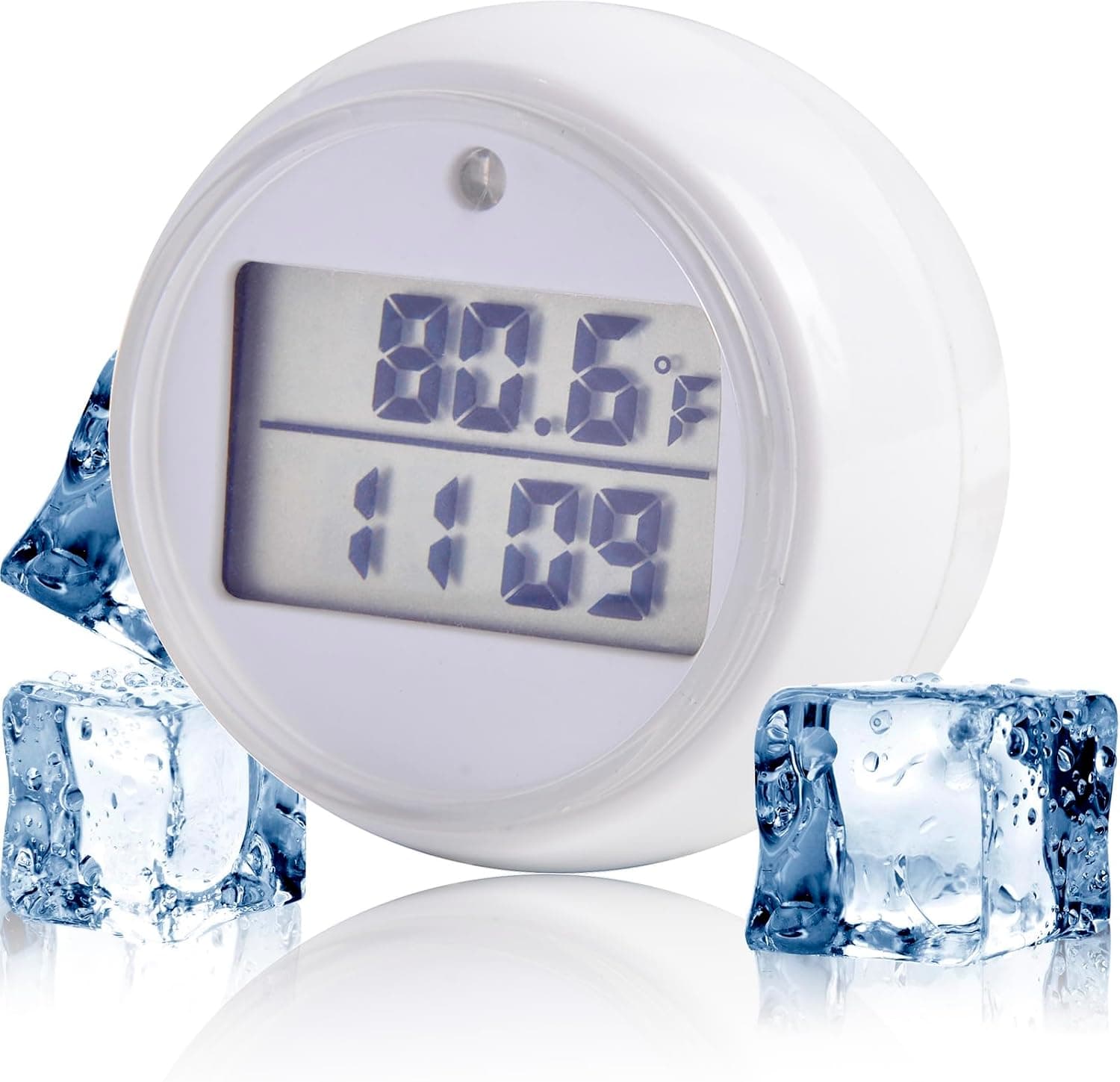
Use a waterproof thermometer before every session and shorten plunges as water gets colder. Anyone with heart conditions, high blood pressure or other health concerns should talk to a doctor before cold plunging, especially in very cold water.
Protect equipment from freezing
Water that freezes inside pumps, filters, hoses and chillers can crack components. Check the manufacturer's winter guidance: some systems can run circulation continuously to prevent freezing, while others need to be drained and brought indoors.
Insulated lids reduce heat loss and surface ice. For simple tubs, a floating tub cover or an inflatable ball can help limit ice formation, but break and remove any ice before getting in.
Make the area safe
Snow, frost and splashed water make steps and decks slippery. Use non-slip mats or treads, keep a clear path to the door and clear ice before every session.
Never plunge alone in freezing conditions, and keep sessions visible from the house if possible. Have a phone nearby and make sure someone knows you are plunging.
Plan your warm-up
In winter the risk is not only the water but the cold air afterward. Have a warm robe, a hat, dry clothes and footwear ready at the edge of the tub so you can get dry and covered immediately.
Rewarm gradually with dry clothing, gentle movement and a warm drink. Avoid jumping directly into a very hot shower or sauna if you feel faint or shaky, and never plunge after drinking alcohol.
Recognise warning signs
Uncontrollable shivering, confusion, slurred speech, clumsiness or feeling unusually drowsy after a plunge can be signs of hypothermia. Get out, get warm and seek medical help if symptoms do not improve quickly.
Numb fingers and toes that stay white or waxy may indicate frostbite risk, particularly if you walk barefoot on snow. Neoprene gloves and booties protect extremities and help many people stay in the water more comfortably.