How to Use a Massage Gun Correctly for Recovery
Published How we research
Percussive massage devices, commonly called massage guns, have become a staple of home recovery, and for good reason: they deliver rapid pulses that reach into muscle tissue in a way that is hard to replicate by hand. Used well, a massage gun can loosen tight muscles, boost local blood flow, and take the edge off soreness in a few minutes. Used carelessly, it can bruise tissue, irritate nerves, and leave you feeling worse. The difference is almost entirely down to technique, and the good news is that correct technique is simple to learn.
Products from this article
The highest-scoring picks from the buying guides this article links to. Scores are our editorial assessment, not customer ratings.
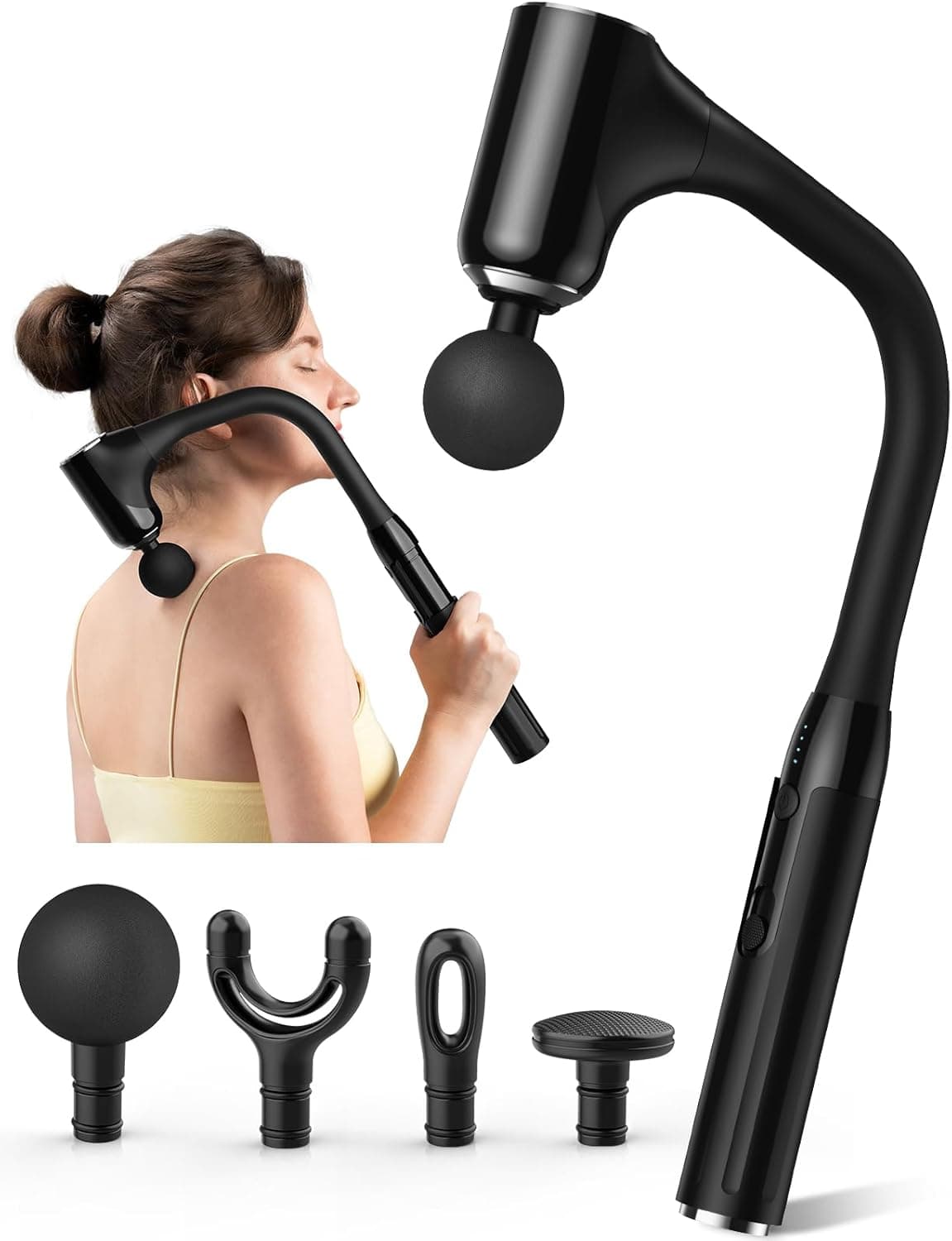
+ Extended handle helps reach your own back and shoulders
From our guide: Best Massage Guns
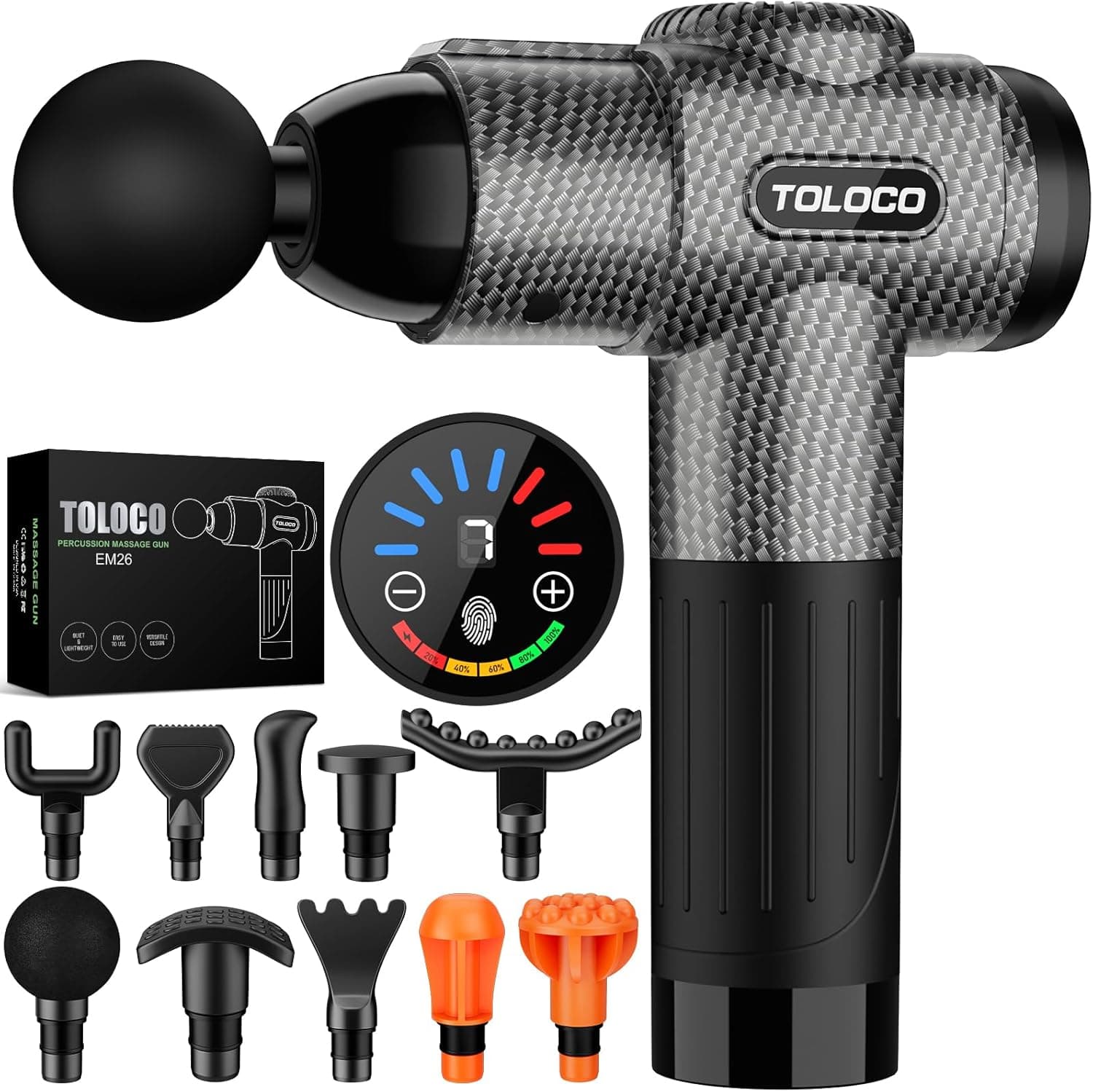
+ 10 Heads is one of the biggest attachment sets in its class
From our guide: Best Percussion Massagers
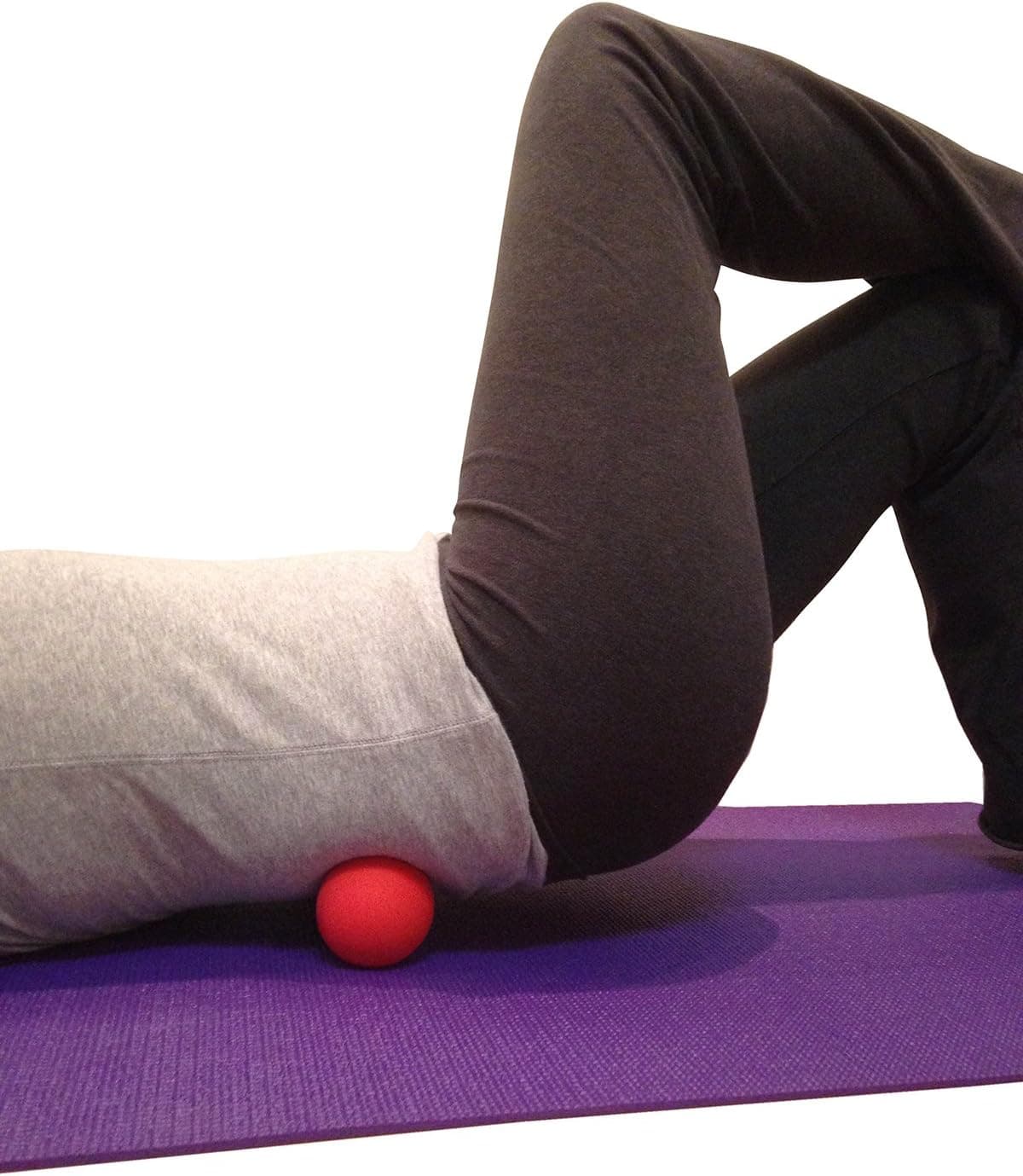
+ Firm lacrosse ball density gives strong pressure on tight spots
From our guide: Best Trigger Point Tools
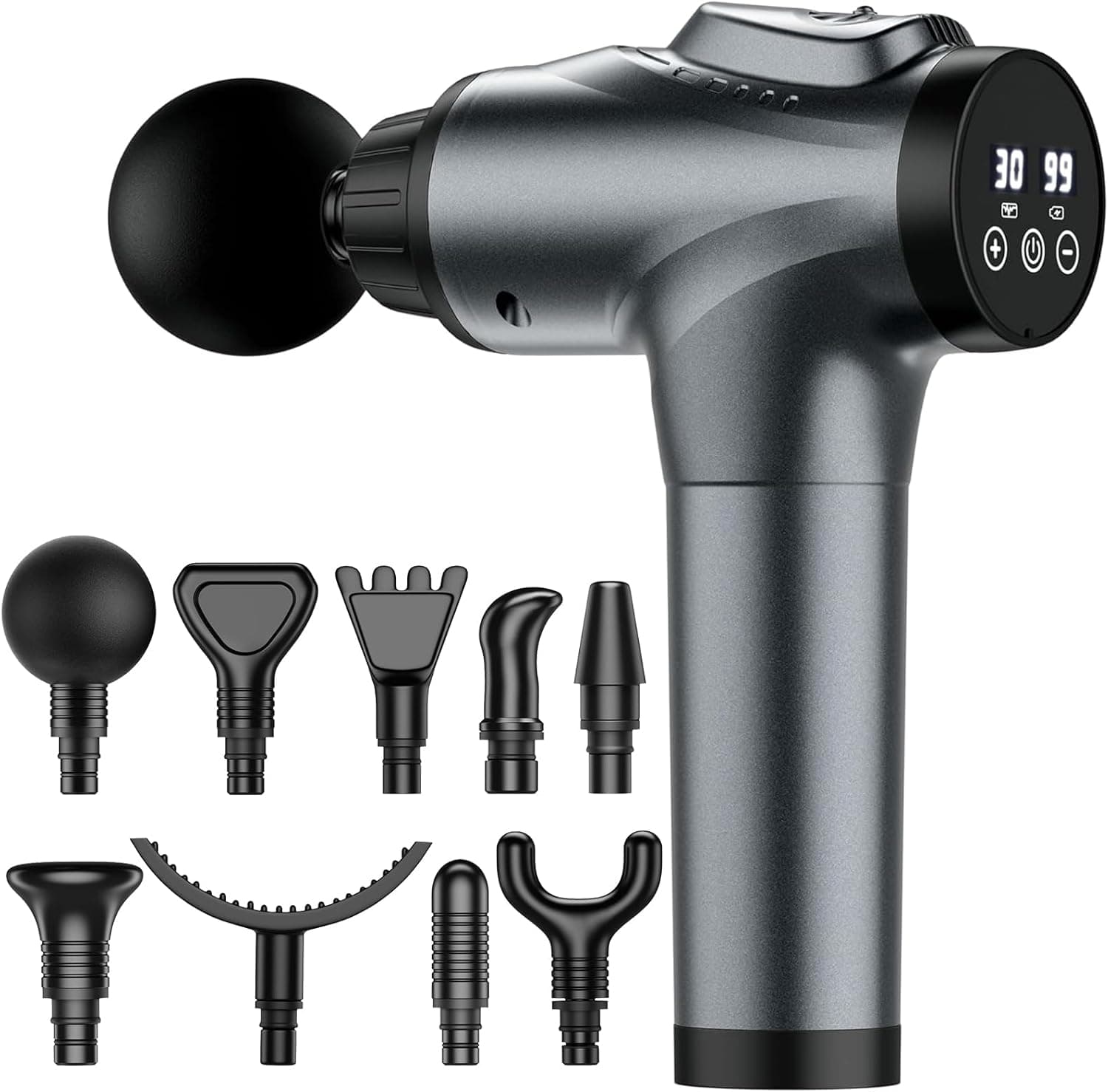
+ 9 Heads is a large attachment set for varied muscle work
From our guide: Best Massage Guns

Start with the basics of movement. The device does the work, so you do not need to press hard or hold it in one spot. Glide it slowly along the length of the muscle, roughly a couple of centimeters per second, letting the head float across the tissue rather than digging in. Keep it moving; parking the gun on a single point invites overworking that spot. A good session on any one muscle group lasts around one to two minutes, and you can cover the major muscles you trained in well under ten minutes total. More is not better, and lingering out of a belief that you are getting deeper relief usually backfires.
Timing shapes what the tool does for you. Used before a workout with lighter, brief passes, a massage gun can wake muscles up and improve their readiness to move, functioning as part of a warm-up. Used after training, it helps flush tired muscles and can reduce the delayed soreness that shows up a day or two later. On rest days it is a handy way to address stubborn tight spots. The key is to match intensity to the moment: short and energizing before activity, longer and more soothing afterward.
Attachments and pressure deserve attention. Most guns ship with several heads, and each suits a different job. The large ball or foam head is a safe all-purpose choice for big muscle groups like quads and glutes. A flatter head works well for denser areas, while the bullet or cone head targets small, specific knots but concentrates force, so it demands a light touch. Let the muscle relax as you work, breathe normally, and if you feel sharp pain rather than the dull pressure of a working muscle, ease off or move on. Discomfort that makes you tense up is a signal you have gone too far.
Knowing where not to use the device is as important as knowing how. Avoid bones, joints, and the front of the neck entirely, and stay off areas where nerves and arteries sit close to the surface, such as the inner elbow, the armpit, and the sides of the neck. Never use it directly on an injury, a fresh bruise, a strain, or any area that is swollen or inflamed, and keep it well away from the spine itself, working the muscles alongside it instead. People with blood clotting issues, on blood thinners, or who are pregnant should check with a healthcare provider before using one.
Build the habit around your training and treat the device as one tool among several. It complements stretching, foam rolling, hydration, and sleep rather than replacing them. Clean the heads occasionally, keep it charged so it is ready when you are, and pay attention to how your muscles respond over the following day. Approached with a light hand, steady movement, and respect for the areas to avoid, a massage gun becomes a quick and genuinely useful part of a well-rounded recovery routine.
Popular right now
- Best Massage SticksBuying guide
- Best Muscle StimulatorsBuying guide
- Best Back StretchersBuying guide
- Compression Boots ExplainedArticle
- Why You Feel Sore or Bruised After Foam RollingArticle
- EMS (electrical muscle stimulation) explainedGlossary
Based on the last 28 days of search and visitor data.